Rotary drum digesters are essential equipment in the pulp and paper industry, playing a crucial role in the pulping process. There are two main types of rotary drum digesters: horizontal and vertical. As a leading supplier of rotary drum digesters, I often encounter inquiries about the differences between these two types. In this blog post, I will delve into the key disparities between horizontal and vertical rotary drum digesters to help you make an informed decision for your pulping operations.
Structural Design
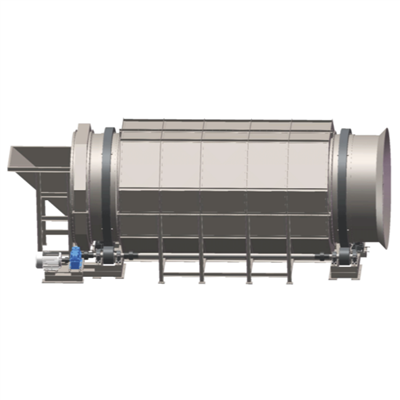
One of the most obvious differences between horizontal and vertical rotary drum digesters lies in their structural design. Horizontal rotary drum digesters are, as the name suggests, oriented horizontally. They typically consist of a cylindrical drum that rotates on a horizontal axis. This design allows for a more extended processing length within the drum, providing a larger surface area for the pulping reaction to occur.
On the other hand, vertical rotary drum digesters are vertically oriented. The drum stands upright, and the material moves vertically through the digester. This design is more compact in terms of floor space requirements, making it suitable for facilities with limited space. However, the vertical orientation may limit the overall length of the processing path compared to horizontal digesters.
Material Flow
The material flow characteristics also differ significantly between horizontal and vertical rotary drum digesters. In a horizontal digester, the material is fed into one end of the drum, and as the drum rotates, the material gradually moves along the length of the drum. The rotation of the drum helps to mix the material thoroughly with the cooking liquor, ensuring a uniform pulping reaction. The horizontal orientation allows for a relatively slow and steady flow of material, which can be advantageous for achieving a high - quality pulp.
In a vertical digester, the material is usually fed from the top and moves downward due to gravity. The vertical flow can result in a faster processing time as the material moves more quickly through the digester. However, ensuring uniform mixing of the material and the cooking liquor can be more challenging in a vertical digester, especially in larger - scale operations. Special mixing devices may be required to achieve a satisfactory level of mixing.
Heat Transfer
Heat transfer is a critical factor in the pulping process, and the design of the digester affects it significantly. Horizontal rotary drum digesters generally offer better heat transfer characteristics. The larger surface area of the drum in contact with the heating medium (such as steam) allows for more efficient heat transfer to the material inside the drum. The slow and steady movement of the material also ensures that each part of the material is exposed to the heat for an appropriate amount of time, promoting a more uniform cooking process.
In vertical digesters, heat transfer can be more complex. The vertical flow of the material may cause uneven heat distribution, especially if the heating system is not properly designed. The relatively faster movement of the material through the digester may also limit the time available for heat transfer, potentially leading to inconsistent cooking results. However, with advanced heating systems and proper insulation, vertical digesters can still achieve satisfactory heat transfer performance.
Capacity and Scalability
When it comes to capacity and scalability, both types of digesters have their advantages. Horizontal rotary drum digesters are often more suitable for large - scale operations. Their horizontal design allows for easy expansion by increasing the length of the drum. This scalability makes them a popular choice for pulp mills that require high - volume production.
Vertical rotary drum digesters, on the other hand, are more commonly used in medium - scale or small - scale operations. Their compact design makes them a good option for facilities with limited space or those looking for a more cost - effective solution for smaller production volumes. While vertical digesters can also be scaled up, the limitations in the vertical height and the challenges in ensuring uniform mixing and heat transfer may pose some constraints on large - scale expansion.
Maintenance and Cleaning
Maintenance and cleaning are important considerations for any industrial equipment. Horizontal rotary drum digesters are generally easier to access for maintenance and cleaning. The horizontal orientation allows for easy entry into the drum for inspection, repair, and cleaning. Workers can walk inside the drum to perform necessary tasks, which simplifies the maintenance process.
In vertical digesters, accessing the interior of the drum for maintenance and cleaning can be more difficult. Special equipment such as ladders or platforms may be required to reach different parts of the drum. Additionally, the vertical design may make it more challenging to remove any accumulated debris or scale from the drum walls. However, proper design features such as access ports and cleaning systems can help to mitigate these issues.
Associated Equipment and Integration
When considering a rotary drum digester, it is also important to think about the associated equipment and how it integrates with the overall pulping process. For horizontal digesters, they can be easily integrated with other equipment such as Chip Washer and Screw Separator. The horizontal orientation allows for a more straightforward connection with these ancillary equipment, facilitating a smooth material flow through the entire pulping system.


Vertical digesters may require more careful planning for integration with associated equipment. The vertical flow of material may require additional conveyors or transfer mechanisms to connect with other equipment in the pulping line. However, with proper engineering design, vertical digesters can also be effectively integrated into a comprehensive pulping system. For example, they can work in conjunction with Five Nips, Three Showers, Two Displacement Washes systems to achieve high - quality pulp washing.
Cost Considerations
Cost is always a significant factor in any equipment purchase decision. Horizontal rotary drum digesters generally have a higher initial cost. The larger size and more complex design, especially for large - scale models, contribute to the higher cost. Additionally, the installation of a horizontal digester may require more extensive foundation work and space, which adds to the overall cost.
Vertical rotary drum digesters are usually more cost - effective in terms of initial investment. Their compact design reduces the cost of materials and installation. However, it is important to consider the long - term operating costs as well. For example, if additional mixing or heating equipment is required in a vertical digester to achieve the desired pulp quality, the operating costs may increase over time.
Conclusion
In conclusion, horizontal and vertical rotary drum digesters have distinct differences in terms of structural design, material flow, heat transfer, capacity, maintenance, integration, and cost. The choice between the two types depends on various factors such as the scale of production, available space, desired pulp quality, and budget.
As a supplier of rotary drum digesters, we understand the unique requirements of each customer. Whether you are looking for a large - scale horizontal digester for high - volume production or a compact vertical digester for a small - scale operation, we can provide you with the most suitable solution. Our team of experts can assist you in evaluating your needs and selecting the right digester for your pulping process.
If you are interested in learning more about our rotary drum digesters or would like to discuss your specific requirements, please feel free to contact us. We are ready to engage in a detailed discussion and help you make the best decision for your business.
References
- "Pulp and Paper Science and Technology" by G. A. Smook
- "Handbook of Pulp" edited by Christopher J. Biermann