Hey there! As a supplier of submersible aerators, I've been getting a lot of questions lately about how well these bad boys can adapt to different water qualities. So, I thought I'd take a deep dive (pun intended) into this topic and share some insights.
First off, let's talk about what a submersible aerator actually does. It's a piece of equipment that's designed to be submerged in water, and its main job is to introduce oxygen into the water. This is super important for a whole bunch of reasons. For one, it helps to support aquatic life by providing the oxygen that fish and other critters need to breathe. It also plays a crucial role in wastewater treatment, where it helps to break down organic matter and reduce the levels of pollutants in the water.
Now, when it comes to different water qualities, there are a few key factors that can affect how well a submersible aerator performs. These include things like the pH level, temperature, turbidity, and the presence of certain chemicals or contaminants.
Let's start with pH. The pH scale measures how acidic or alkaline a substance is, and it ranges from 0 to 14. A pH of 7 is considered neutral, while values below 7 are acidic and values above 7 are alkaline. Most submersible aerators are designed to work best in a pH range of around 6.5 to 8.5. If the water is too acidic or too alkaline, it can affect the efficiency of the aerator and even cause damage to its components over time. For example, acidic water can corrode the metal parts of the aerator, while alkaline water can lead to the formation of scale deposits, which can clog the aerator and reduce its performance.
Temperature is another important factor. Submersible aerators generally work better in cooler water temperatures. As the water gets warmer, the solubility of oxygen decreases, which means that it's harder for the aerator to introduce oxygen into the water. In addition, high temperatures can also increase the metabolic rate of bacteria and other microorganisms in the water, which can lead to a higher demand for oxygen. This means that in warmer water, you may need to use a more powerful aerator or run it for longer periods of time to achieve the same level of oxygenation.
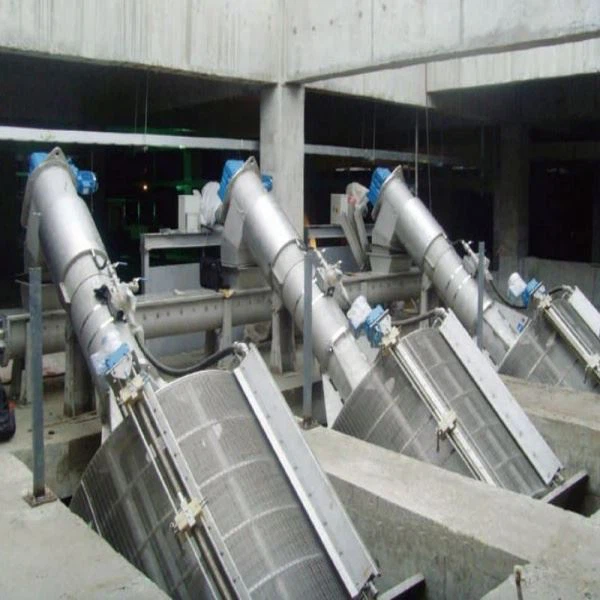

Turbidity refers to the cloudiness or haziness of the water, which is caused by the presence of suspended particles such as silt, clay, or organic matter. High turbidity can reduce the effectiveness of a submersible aerator because the suspended particles can block the diffusion of oxygen into the water. In addition, these particles can also accumulate on the aerator's diffusers or nozzles, which can reduce the flow of air and water and decrease the aerator's performance. To deal with high turbidity, you may need to use a pre-treatment system, such as a Mechanical Bar Screen Wastewater, to remove the larger particles before the water reaches the aerator.
The presence of certain chemicals or contaminants in the water can also have a significant impact on the performance of a submersible aerator. For example, heavy metals such as lead, mercury, and cadmium can be toxic to the bacteria and other microorganisms that are involved in the breakdown of organic matter, which can reduce the efficiency of the aeration process. In addition, chemicals such as chlorine, which is commonly used to disinfect water, can react with the oxygen in the water and form harmful by-products. To deal with these issues, you may need to use a treatment system, such as a Fenton Catalytic Reactor, to remove or neutralize the chemicals before the water reaches the aerator.
Despite these challenges, modern submersible aerators are designed to be highly adaptable to different water qualities. Many aerators come with adjustable settings that allow you to customize the airflow and oxygenation rate based on the specific needs of your water. In addition, some aerators are made from materials that are resistant to corrosion and chemical damage, which can help to extend their lifespan and ensure reliable performance in a variety of water conditions.
Another important consideration when choosing a submersible aerator is the type of diffuser or nozzle that it uses. There are several different types of diffusers available, each with its own advantages and disadvantages. For example, fine bubble diffusers produce small bubbles that have a large surface area, which allows for more efficient oxygen transfer. However, they can be more prone to clogging, especially in water with high turbidity. Coarse bubble diffusers, on the other hand, produce larger bubbles that are less likely to clog, but they may not be as efficient at transferring oxygen.
When it comes to wastewater treatment, submersible aerators are often used in conjunction with other treatment processes, such as sedimentation, filtration, and biological treatment. For example, after the wastewater has been treated by a Mechanical Bar Screen Wastewater to remove large solids, it may be sent to a biological treatment tank where the submersible aerator provides the oxygen needed for the bacteria to break down the organic matter. After the biological treatment, the water may be further treated by a Belt Filter Press Dewatering system to remove the remaining solids and produce a clean effluent.
In conclusion, the adaptability of a submersible aerator to different water qualities depends on a variety of factors, including pH, temperature, turbidity, and the presence of chemicals or contaminants. While these factors can pose challenges, modern submersible aerators are designed to be highly adaptable and can be customized to meet the specific needs of your water. By choosing the right aerator and using it in conjunction with other treatment processes, you can ensure efficient and effective water treatment.
If you're in the market for a submersible aerator or have any questions about how it can adapt to your specific water quality, don't hesitate to reach out. We're here to help you find the best solution for your needs and ensure that your water treatment system runs smoothly.
References
- Metcalf & Eddy. (2014). Wastewater Engineering: Treatment and Resource Recovery. McGraw-Hill Education.
- WEF (Water Environment Federation). (2019). Aeration in Wastewater Treatment. Manual of Practice FD-17.