Can a mechanical bar screen be used in sewage pumping stations?
As a supplier of mechanical bar screens, I am often asked whether these devices can be effectively used in sewage pumping stations. The answer is a resounding yes, and in this blog, I will explore the reasons why mechanical bar screens are not only suitable but also highly beneficial for sewage pumping stations.
Understanding the Role of Sewage Pumping Stations
Sewage pumping stations play a crucial role in the wastewater management system. Their primary function is to transport sewage from lower to higher elevations or over long distances when the natural flow of gravity is insufficient. These stations receive raw sewage, which contains a wide range of solid materials, including large debris such as branches, rags, plastics, and other foreign objects. If these solids are not removed, they can cause significant problems in the pumping equipment, leading to blockages, increased wear and tear, and reduced efficiency.


How Mechanical Bar Screens Work
A mechanical bar screen is a type of screening device used to remove large solid objects from wastewater. It consists of a series of parallel bars or rods, which are spaced at a specific distance apart. As the sewage flows through the screen, the large solids are caught by the bars and prevented from passing through. The intercepted solids are then removed from the screen either manually or by a mechanical cleaning mechanism, such as a rake or a brush.
Advantages of Using Mechanical Bar Screens in Sewage Pumping Stations
- Preventing Equipment Damage: One of the most significant advantages of using a mechanical bar screen in a sewage pumping station is the prevention of equipment damage. By removing large solids from the sewage before it enters the pumps, the bar screen reduces the risk of blockages and abrasion, which can lead to costly repairs and downtime. This helps to extend the lifespan of the pumping equipment and ensures its reliable operation.
- Improving Pumping Efficiency: When large solids are present in the sewage, they can cause the pumps to work harder, leading to increased energy consumption and reduced efficiency. By removing these solids, the mechanical bar screen allows the pumps to operate more efficiently, resulting in lower energy costs and improved overall performance.
- Reducing Maintenance Requirements: The presence of large solids in the sewage can also increase the frequency of maintenance required for the pumping equipment. By removing these solids at the source, the mechanical bar screen reduces the amount of debris that needs to be removed from the pumps and other components, thereby reducing maintenance time and costs.
- Enhancing Environmental Protection: Mechanical bar screens help to protect the environment by preventing large solid objects from entering the wastewater treatment system. These solids can cause problems in the treatment processes, such as clogging filters and reducing the effectiveness of chemical treatments. By removing these solids, the bar screen helps to ensure that the wastewater treatment system operates more efficiently and effectively, reducing the impact on the environment.
Types of Mechanical Bar Screens for Sewage Pumping Stations
There are several types of mechanical bar screens available for use in sewage pumping stations, each with its own advantages and disadvantages. Some of the most common types include:
- Fixed Bar Screens: These are the simplest and most common type of mechanical bar screen. They consist of a series of parallel bars or rods that are fixed in place. Fixed bar screens are typically used in applications where the flow rate is relatively low and the size of the solids to be removed is relatively large.
- Moving Bar Screens: Moving bar screens use a series of bars or rods that are mounted on a chain or belt and move continuously through the sewage flow. This type of screen is more effective at removing smaller solids than fixed bar screens and is often used in applications where the flow rate is higher.
- Step Screens: Step screens consist of a series of steps or plates that are arranged in a staircase-like pattern. As the sewage flows over the steps, the solids are caught and removed. Step screens are particularly effective at removing fibrous materials and are often used in applications where the sewage contains a high proportion of these materials.
Considerations When Selecting a Mechanical Bar Screen for Sewage Pumping Stations
When selecting a mechanical bar screen for a sewage pumping station, several factors need to be considered, including:
- Flow Rate: The flow rate of the sewage is an important consideration when selecting a bar screen. The screen must be able to handle the maximum flow rate of the sewage without becoming clogged.
- Size of Solids: The size of the solids to be removed from the sewage is another important consideration. The spacing between the bars or rods of the screen must be selected based on the size of the solids to ensure that they are effectively removed.
- Type of Solids: The type of solids present in the sewage can also affect the selection of a bar screen. For example, if the sewage contains a high proportion of fibrous materials, a step screen may be more suitable than a fixed or moving bar screen.
- Maintenance Requirements: The maintenance requirements of the bar screen should also be considered. Some types of screens require more frequent maintenance than others, and this can affect the overall cost of ownership.
- Cost: The cost of the bar screen is an important consideration, especially for smaller sewage pumping stations. However, it is important to balance the cost of the screen with its performance and reliability to ensure that the best value for money is obtained.
Complementary Equipment for Sewage Pumping Stations
In addition to mechanical bar screens, there are several other types of equipment that can be used in sewage pumping stations to enhance their performance and efficiency. Some of these include:
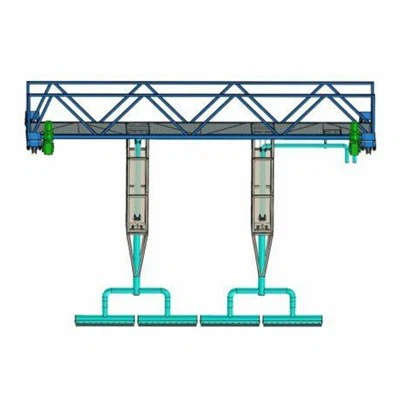
- Bridge Sludge Thickener: This equipment is used to thicken the sludge that is removed from the sewage. By reducing the volume of the sludge, it becomes easier to handle and transport.
- Submersible Tank Mixer: Submersible tank mixers are used to mix the sewage in the pumping station tanks. This helps to prevent the settling of solids and ensures that the sewage is evenly distributed throughout the tank.
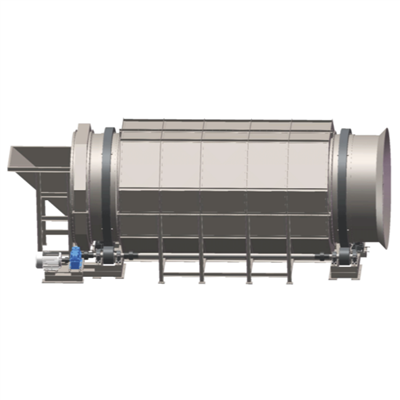
- Spiral Grit Water Separator: Spiral grit water separators are used to remove grit and sand from the sewage. These materials can cause abrasion and damage to the pumping equipment, and their removal helps to extend the lifespan of the equipment.
Conclusion
In conclusion, mechanical bar screens are an essential component of sewage pumping stations. They play a crucial role in preventing equipment damage, improving pumping efficiency, reducing maintenance requirements, and enhancing environmental protection. By selecting the right type of bar screen for the specific application and considering the various factors discussed above, sewage pumping stations can operate more effectively and efficiently, ensuring the reliable and sustainable management of wastewater.
If you are in the market for a mechanical bar screen or any other sewage treatment equipment, I encourage you to contact us to discuss your specific requirements. Our team of experts is available to provide you with the information and support you need to make an informed decision. Let's work together to ensure the efficient and effective operation of your sewage pumping station.
References
- Metcalf & Eddy, Inc. (2003). Wastewater Engineering: Treatment and Reuse (4th Ed.). McGraw-Hill.
- Tchobanoglous, G., Burton, F. L., & Stensel, H. D. (2003). Wastewater Engineering: Treatment, Disposal, and Reuse (4th Ed.). McGraw-Hill.
- WEF. (2010). MOP 8 - Operation of Wastewater Treatment Plants: A Field Manual (7th Ed.). Water Environment Federation.