Hey there! As a supplier of Micro Screen Filters, I often get asked the same question: "How often should a Micro Screen Filter be replaced?" Well, there's no one - size - fits - all answer to this question, but I'm gonna break it down for you based on different factors.
Understanding Micro Screen Filters
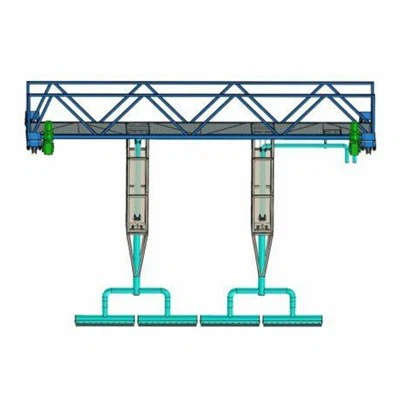
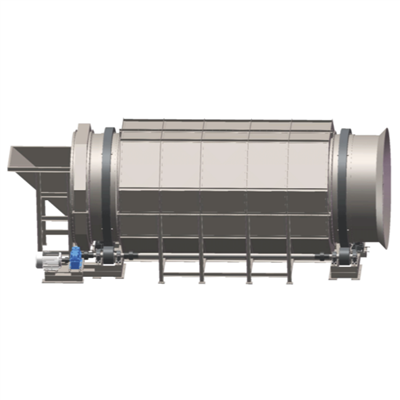
First off, let's quickly talk about what a Micro Screen Filter does. These filters are super important in various industries, especially in water treatment. They're designed to remove small particles from liquids, like debris, algae, and other contaminants. They work by letting the liquid pass through a fine - mesh screen while trapping the unwanted stuff.
Factors Affecting Replacement Frequency
1. Usage Intensity
One of the biggest factors is how often the filter is used. If your Micro Screen Filter is running 24/7 in a high - volume industrial setting, it's gonna wear out a lot faster than one that's used only occasionally in a small - scale operation. For example, in a large - scale water treatment plant where huge amounts of water are being filtered continuously, the filter might need to be replaced every few months. On the other hand, if it's used in a small backyard pond filtration system that runs just a few hours a day, it could last a year or more.
2. Quality of the Incoming Liquid
The quality of the liquid being filtered also plays a huge role. If the water or other liquid has a high concentration of contaminants, the filter will get clogged up quicker. For instance, if you're filtering water from a river that has a lot of sediment, leaves, and other organic matter, the Micro Screen Filter will fill up with this debris fast. In contrast, if you're filtering relatively clean water from a well, the filter won't have to work as hard and can last longer.
3. Type of Micro Screen Filter
There are different types of Micro Screen Filters, and each has its own lifespan. Some are made with more durable materials and better construction, which means they can withstand more wear and tear. For example, a stainless - steel Micro Screen Filter is generally more robust than one made of plastic. The stainless - steel version can handle higher pressures and is less likely to break or get damaged, so it might not need to be replaced as often.
General Guidelines for Replacement
Low - Intensity Use
If you're using the Micro Screen Filter in a low - intensity situation, like a small aquarium or a home water filtration system for a single faucet, you can probably get away with replacing the filter once a year. Check it regularly, say every three months, to see if it's getting clogged. If it is, you can clean it first, but if cleaning doesn't restore its performance, it's time for a new one.
Medium - Intensity Use
For medium - intensity applications, such as a small - to - medium - sized commercial water treatment system or a swimming pool filtration system, the filter should be replaced every 6 - 9 months. Again, regular checks are important. You can use a pressure gauge to monitor the pressure drop across the filter. If the pressure drop increases significantly, it indicates that the filter is clogged and might need to be replaced.
High - Intensity Use
In high - intensity industrial settings, like large - scale food processing plants or municipal water treatment facilities, the Micro Screen Filter may need to be replaced every 1 - 3 months. These operations usually have strict quality control measures, and a clogged or inefficient filter can affect the entire process. So, it's crucial to have a maintenance schedule in place and to replace the filter as soon as it starts to show signs of reduced performance.
Importance of Regular Maintenance
Even if you follow the replacement guidelines, regular maintenance is key. Cleaning the Micro Screen Filter can extend its lifespan. You can use a backwashing process, where you reverse the flow of the liquid through the filter to dislodge the trapped particles. This can be done manually or automatically, depending on the type of filter.
Another important aspect of maintenance is inspecting the filter for any signs of damage. Look for holes, tears, or other physical defects. If you find any, replace the filter immediately, even if it hasn't reached the recommended replacement time.
Related Equipment
When it comes to water treatment, Micro Screen Filters often work in conjunction with other equipment. For example, Dissolved Air Flotation Equipment can be used before the Micro Screen Filter to remove larger particles and floating contaminants. This can reduce the load on the Micro Screen Filter and extend its lifespan.
Microporous Aeration Disc is another piece of equipment that can be used in water treatment systems. It helps to oxygenate the water, which can improve the efficiency of the overall treatment process. And MBR Treatment Plant is a more advanced water treatment solution that can work alongside Micro Screen Filters to provide high - quality treated water.
Contact for Purchase and Consultation
If you're in the market for a Micro Screen Filter or need more advice on how often to replace yours, don't hesitate to reach out. We're here to help you find the right filter for your specific needs and to provide you with all the support you need for proper maintenance. Whether you're a small - scale user or a large - scale industrial operation, we've got the expertise and the products to meet your requirements.


References
- Water Treatment Handbook, Third Edition, by Metcalf & Eddy
- Industrial Filtration Technology: Principles and Practices, by Peter A. Schweitzer