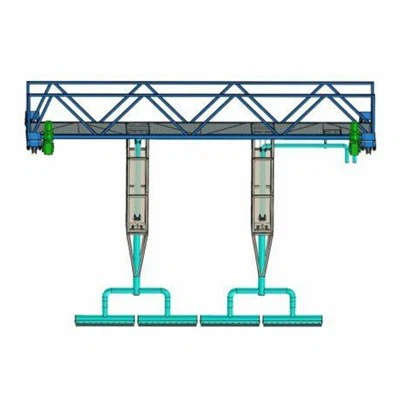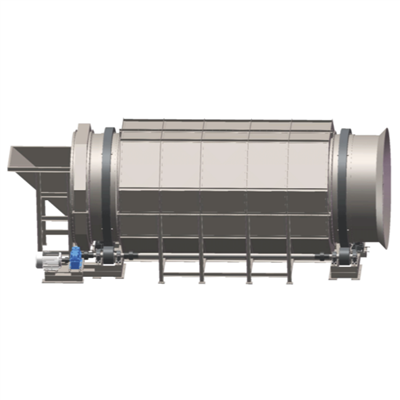
Hey there! As a supplier of paper tearing machines, I often get asked about the paper handling capacity of these machines in a day. It's a crucial question for businesses looking to invest in a paper tearing machine, as it directly impacts productivity and efficiency. In this blog post, I'll break down the factors that influence a paper tearing machine's daily paper handling capacity and give you a better idea of what to expect.
Understanding the Basics
First off, let's talk about what we mean by "paper handling capacity." Simply put, it's the amount of paper a machine can tear in a given period, usually a day. This capacity is influenced by several factors, including the machine's design, power, and the type of paper it's processing.
Machine Design and Power
The design and power of a paper tearing machine play a significant role in its paper handling capacity. Machines with more powerful motors and advanced cutting mechanisms can tear through paper more quickly and efficiently. For example, a high - end paper tearing machine might have a robust motor that can handle large volumes of paper without overheating or slowing down.
On the other hand, smaller, less powerful machines are typically suitable for light - duty tasks and have a lower paper handling capacity. If you're running a small office or a home - based business, a smaller machine might be sufficient. But for large - scale operations, you'll need a heavy - duty machine that can keep up with the demand.
Type of Paper
The type of paper you're tearing also affects the machine's capacity. Different papers have different thicknesses, densities, and textures, which can impact how easily they're torn. For instance, thick cardboard or coated paper is more difficult to tear than regular printer paper. A paper tearing machine might be able to handle a large quantity of printer paper in a day, but the same machine might tear significantly less cardboard in the same time frame.

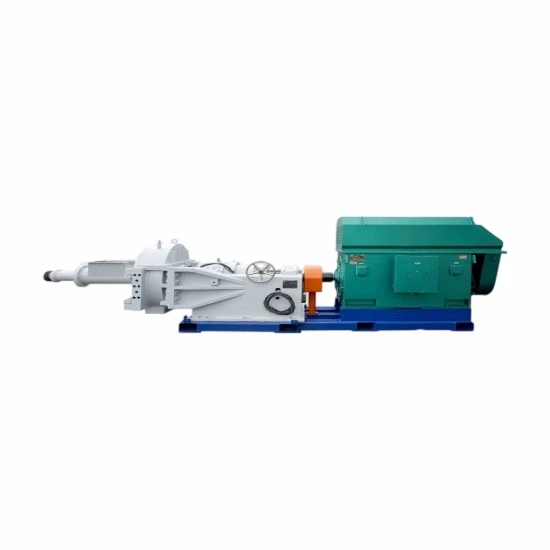
Calculating the Daily Capacity
To get a rough estimate of a paper tearing machine's daily paper handling capacity, you need to consider its hourly capacity and the number of operating hours per day. Most paper tearing machines have a specified hourly capacity, which is usually measured in kilograms or sheets.
Let's say a machine has an hourly capacity of 500 kilograms of paper. If it operates for 8 hours a day, its daily capacity would be 500 x 8 = 4000 kilograms. However, this is a simplified calculation. In real - world scenarios, there are other factors to consider, such as machine downtime for maintenance, breaks, and the time it takes to load and unload paper.
Real - World Examples
In a large printing company, a high - end paper tearing machine might be running for 10 - 12 hours a day, handling thousands of sheets of paper. These machines are designed to work continuously and can handle a wide range of paper types, from thin newsprint to thick cardstock.
In a small recycling facility, a smaller paper tearing machine might be used for a few hours a day to process waste paper. The capacity of this machine would be much lower, perhaps in the range of a few hundred kilograms per day.
Impact of Machine Features
Some paper tearing machines come with additional features that can increase their paper handling capacity. For example, machines with automatic feeding systems can save time and increase efficiency by continuously feeding paper into the machine. This reduces the need for manual intervention and allows the machine to run more smoothly.
Another useful feature is a self - cleaning mechanism. This helps to prevent paper jams and keeps the machine running at optimal performance. Machines with these features can often handle more paper in a day compared to those without.
Industry Standards and Best Practices
In the paper - processing industry, there are certain standards and best practices for operating paper tearing machines. Regular maintenance is essential to ensure the machine runs efficiently and has a long lifespan. This includes cleaning the cutting blades, lubricating moving parts, and checking for any signs of wear and tear.
It's also important to train operators properly. A well - trained operator can maximize the machine's paper handling capacity by using it correctly and avoiding common mistakes.
Related Equipment
When considering a paper tearing machine, it's also worth looking at related equipment that can enhance its performance. For example, a Screw Separator can be used to separate different types of paper and other materials after tearing. This can improve the quality of the output and make the overall process more efficient.
A High Consistency Refiner can be used to further process the torn paper, breaking it down into smaller fibers. This is especially useful in the paper - recycling industry.
And a Screw Shredder can be used for more heavy - duty shredding tasks, such as tearing large bundles of paper or cardboard.
Conclusion
So, what's the paper handling capacity of a paper tearing machine in a day? Well, it depends on a variety of factors, including the machine's design, power, the type of paper, and how it's operated. By understanding these factors, you can make an informed decision when choosing a paper tearing machine for your business.
If you're in the market for a paper tearing machine or want to learn more about our products, don't hesitate to reach out. We're here to help you find the right machine to meet your specific needs and maximize your paper - handling efficiency. Whether you're a small business or a large corporation, we have a solution for you. Get in touch with us today to start a conversation about your requirements and see how we can assist you in achieving your paper - processing goals.
References
- Industry research on paper - processing equipment
- Manufacturer's specifications for paper tearing machines
- Interviews with paper - processing industry experts