Air pollution is a significant environmental concern that affects both human health and the ecosystem. When it comes to industrial equipment, understanding the air pollution potential during operation is crucial. As a supplier of screw shredders, I am often asked about the air pollution potential associated with the operation of these machines. In this blog post, I will delve into this topic, exploring the factors that contribute to air pollution during screw shredder operation and the measures that can be taken to mitigate it.
Understanding the Screw Shredder
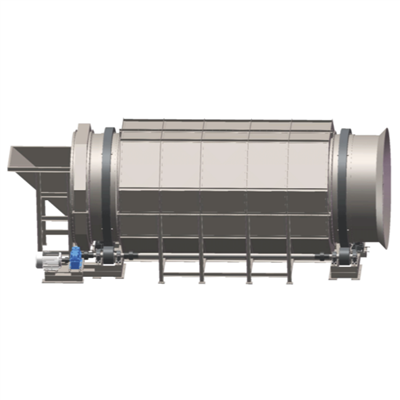
Before discussing the air pollution potential, it is essential to understand what a screw shredder is and how it operates. A screw shredder is a type of industrial equipment used for shredding various materials, such as plastics, wood, paper, and metal. It consists of a rotating screw mechanism that compresses and shreds the input material into smaller pieces. The shredded material can then be further processed or recycled.
Screw shredders are widely used in industries such as waste management, recycling, and manufacturing. They offer several advantages, including high efficiency, low noise levels, and the ability to handle a wide range of materials. However, like any industrial equipment, they can also have an impact on the environment, particularly in terms of air pollution.
Factors Contributing to Air Pollution
Several factors can contribute to air pollution during the operation of a screw shredder. These include:
Dust Generation
One of the primary sources of air pollution during screw shredder operation is dust generation. As the shredder breaks down the input material, fine particles are released into the air. These particles can include dust, debris, and even microscopic fragments of the shredded material. Dust can pose a significant health risk, especially if inhaled. It can cause respiratory problems, such as coughing, wheezing, and shortness of breath, and can also exacerbate existing conditions such as asthma and chronic obstructive pulmonary disease (COPD).
Volatile Organic Compounds (VOCs)
In addition to dust, screw shredders can also release volatile organic compounds (VOCs) into the air. VOCs are organic chemicals that have a high vapor pressure at room temperature, which means they can easily evaporate into the air. Many materials that are shredded in screw shredders, such as plastics and wood, contain VOCs. When these materials are shredded, the VOCs are released into the air, where they can react with other pollutants to form ground-level ozone and other harmful compounds.
Combustion Byproducts
If the screw shredder is powered by a combustion engine, such as a diesel engine, it can also emit combustion byproducts into the air. These byproducts can include nitrogen oxides (NOx), sulfur oxides (SOx), and particulate matter (PM). NOx and SOx can contribute to the formation of acid rain and smog, while PM can cause respiratory problems and other health issues.
Mitigating Air Pollution
While the operation of a screw shredder can contribute to air pollution, there are several measures that can be taken to mitigate its impact. These include:
Dust Collection Systems
Installing a dust collection system is one of the most effective ways to reduce dust emissions during screw shredder operation. A dust collection system works by capturing the dust particles generated during shredding and removing them from the air. There are several types of dust collection systems available, including baghouses, cyclones, and wet scrubbers. The type of system that is most suitable for a particular application will depend on factors such as the type of material being shredded, the volume of dust generated, and the specific requirements of the facility.
Ventilation Systems
In addition to dust collection systems, ventilation systems can also be used to reduce air pollution during screw shredder operation. A ventilation system works by removing the contaminated air from the shredding area and replacing it with fresh air. This helps to dilute the concentration of pollutants in the air and prevent them from accumulating to harmful levels. Ventilation systems can be either natural or mechanical, depending on the design of the facility and the specific requirements of the application.
Emission Control Technologies
For screw shredders that are powered by combustion engines, emission control technologies can be used to reduce the emissions of combustion byproducts. These technologies can include catalytic converters, diesel particulate filters (DPFs), and selective catalytic reduction (SCR) systems. Catalytic converters work by converting harmful pollutants, such as NOx and carbon monoxide (CO), into less harmful substances, such as nitrogen and carbon dioxide (CO2). DPFs work by capturing and removing particulate matter from the exhaust gas, while SCR systems work by injecting a reducing agent, such as urea, into the exhaust gas to convert NOx into nitrogen and water.


Material Selection
Another way to reduce air pollution during screw shredder operation is to carefully select the materials that are being shredded. Some materials, such as plastics and wood, are more likely to generate dust and VOCs than others. By choosing materials that are less likely to generate pollutants, it is possible to reduce the overall air pollution potential of the shredding process.
Our Commitment to Environmental Sustainability
As a supplier of screw shredders, we are committed to environmental sustainability. We understand the importance of minimizing the impact of our products on the environment and are constantly working to develop and improve our equipment to reduce air pollution and other environmental impacts.
In addition to offering screw shredders that are designed to minimize dust generation and emissions, we also provide a range of support services to help our customers operate their equipment in an environmentally responsible manner. These services include training on proper equipment operation and maintenance, as well as advice on the selection and installation of dust collection and ventilation systems.
We also offer a range of related products that can help to reduce air pollution and improve the efficiency of the shredding process. For example, our Dewatering Screw Conveyor can be used to remove excess moisture from the shredded material, which can help to reduce dust generation and improve the performance of the shredder. Our Pressure Screen in Paper Industry can be used to separate the shredded material into different sizes, which can help to improve the quality of the final product and reduce waste. And our Low Consistency Refiner can be used to refine the shredded material, which can help to improve its strength and durability.
Contact Us for More Information
If you are interested in learning more about the air pollution potential during the operation of a screw shredder or would like to discuss your specific requirements with one of our experts, please do not hesitate to contact us. We are always happy to provide you with more information and to help you find the right solution for your needs.
References
- American Conference of Governmental Industrial Hygienists (ACGIH). (2023). Threshold Limit Values for Chemical Substances and Physical Agents and Biological Exposure Indices. Cincinnati, OH: ACGIH.
- Environmental Protection Agency (EPA). (2023). National Ambient Air Quality Standards (NAAQS). Washington, DC: EPA.
- Occupational Safety and Health Administration (OSHA). (2023). Air Contaminants. Washington, DC: OSHA.