As a provider of IC Anaerobic Reactors, I understand the critical importance of gas quality in anaerobic digestion processes. The gas produced by an IC Anaerobic Reactor, primarily biogas, is a valuable renewable energy source. However, ensuring high - quality gas production can be challenging. In this blog, I will share some effective strategies to improve the gas quality produced by an IC Anaerobic Reactor.
Understanding the Basics of IC Anaerobic Reactors
Before delving into the ways to improve gas quality, it's essential to have a basic understanding of IC Anaerobic Reactors. An IC Anaerobic Reactor is a high - rate anaerobic digester that can handle high - strength organic wastewater. It consists of two reaction zones: a lower high - load reaction zone and an upper low - load reaction zone. The unique design allows for efficient separation of gas, liquid, and solid phases, resulting in high treatment efficiency and biogas production.
The biogas produced in an IC Anaerobic Reactor mainly contains methane (CH₄) and carbon dioxide (CO₂), with small amounts of other gases such as hydrogen sulfide (H₂S), water vapor, and trace amounts of siloxanes. High - quality biogas should have a high methane content and low levels of impurities, as methane is the primary component responsible for the energy value of biogas.
Strategies to Improve Gas Quality
1. Feedstock Selection and Pretreatment
The quality of the feedstock used in the IC Anaerobic Reactor has a direct impact on the gas quality. Selecting feedstocks with high organic content and low levels of contaminants is crucial. For example, agricultural waste, food waste, and sewage sludge are common feedstocks for anaerobic digestion. However, these feedstocks may contain various impurities such as sand, stones, plastics, and heavy metals.
Pretreatment of the feedstock can help remove these impurities and improve its biodegradability. Physical pretreatment methods such as screening, grinding, and sedimentation can be used to remove large particles and debris. Chemical pretreatment methods, such as acid or alkali treatment, can break down complex organic compounds and make them more accessible to anaerobic microorganisms. Biological pretreatment, such as composting or enzymatic treatment, can also enhance the biodegradability of the feedstock.
2. Optimal Operating Conditions
Maintaining optimal operating conditions in the IC Anaerobic Reactor is essential for high - quality gas production. Temperature, pH, and hydraulic retention time (HRT) are the key operating parameters that affect the activity of anaerobic microorganisms and the gas production process.
- Temperature: Anaerobic digestion can occur under mesophilic (30 - 40°C) or thermophilic (50 - 60°C) conditions. Mesophilic digestion is more commonly used due to its lower energy requirements and better stability. However, thermophilic digestion can result in higher gas production rates and better pathogen removal. It's important to maintain a stable temperature within the selected range to ensure the optimal activity of anaerobic microorganisms.
- pH: The pH of the reactor should be maintained within a narrow range of 6.5 - 7.5 for optimal anaerobic digestion. A pH outside this range can inhibit the activity of anaerobic microorganisms and reduce gas production. Monitoring and adjusting the pH regularly using acid or alkali addition is necessary to maintain the appropriate pH level.
- Hydraulic Retention Time (HRT): HRT is the average time that the feedstock spends in the reactor. A longer HRT allows for more complete digestion of the organic matter and higher gas production. However, an excessively long HRT can lead to lower reactor efficiency and increased operating costs. Therefore, it's important to determine the optimal HRT based on the characteristics of the feedstock and the reactor design.
3. Mixing and Mass Transfer
Proper mixing in the IC Anaerobic Reactor is crucial for ensuring uniform distribution of the feedstock, microorganisms, and nutrients, as well as efficient mass transfer of substrates and products. Insufficient mixing can result in the formation of dead zones, where the organic matter is not fully digested, leading to lower gas production and poor gas quality.
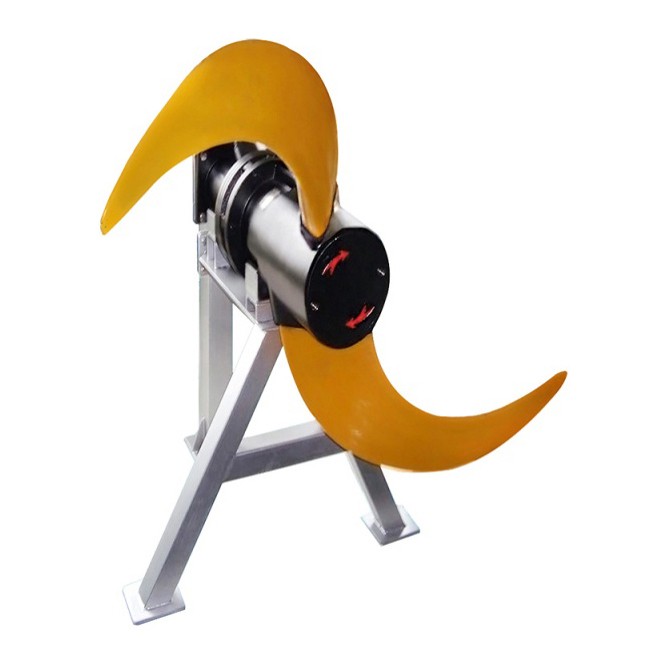
Using appropriate mixing equipment can significantly improve the mixing efficiency in the reactor. Hyperboloid Mixer and Low Speed Submersible Agitator are two common types of mixing equipment used in anaerobic reactors. These mixers can create a strong and uniform flow field in the reactor, ensuring that the feedstock and microorganisms are well - mixed and the mass transfer is enhanced.

4. Gas Treatment and Purification
Even with optimal operating conditions, the biogas produced by the IC Anaerobic Reactor may still contain impurities such as hydrogen sulfide (H₂S), carbon dioxide (CO₂), and water vapor. These impurities can reduce the energy value of the biogas and cause corrosion and fouling of downstream equipment. Therefore, gas treatment and purification are necessary to improve the gas quality.
- Hydrogen Sulfide Removal: H₂S is a toxic and corrosive gas that can cause damage to engines and other equipment. There are several methods for H₂S removal, including chemical absorption, biological desulfurization, and adsorption. Chemical absorption using iron oxide or sodium hydroxide is a common method for large - scale biogas plants. Biological desulfurization using sulfur - oxidizing bacteria is an environmentally friendly and cost - effective alternative.
- Carbon Dioxide Removal: CO₂ is an inert gas that reduces the energy density of biogas. Removing CO₂ from biogas can increase the methane content and improve the gas quality. Common methods for CO₂ removal include water scrubbing, pressure swing adsorption (PSA), and membrane separation.
- Water Vapor Removal: Water vapor in the biogas can cause condensation and corrosion in downstream equipment. Water vapor can be removed using moisture separators, refrigeration dryers, or desiccant dryers.
Monitoring and Control
Regular monitoring and control of the IC Anaerobic Reactor are essential for ensuring high - quality gas production. Monitoring the key operating parameters such as temperature, pH, gas production rate, and gas composition can help detect any problems early and take appropriate corrective actions.
Using online monitoring systems can provide real - time data on the reactor performance and gas quality. These systems can be integrated with a control system to automatically adjust the operating parameters based on the monitored data. For example, if the gas production rate decreases, the control system can increase the feed rate or adjust the mixing intensity to improve the reactor performance.
Conclusion
Improving the gas quality produced by an IC Anaerobic Reactor requires a comprehensive approach that includes feedstock selection and pretreatment, optimal operating conditions, proper mixing, gas treatment and purification, and monitoring and control. As a provider of IC Anaerobic Reactors, we are committed to helping our customers achieve high - quality gas production through our advanced reactor technology and professional technical support.
If you are interested in our IC Anaerobic Reactors or have any questions about improving gas quality, please feel free to contact us for more information and procurement discussions. We look forward to working with you to achieve your renewable energy goals.
References
- Angelidaki, I., Alves, M. M., Bolzonella, D., Borzacconi, L., Campos, J. L., Guwy, A. J., ... & Van Lier, J. B. (2011). Defining the biomethane potential (BMP) of solid organic wastes and energy crops: a proposed protocol for batch assays. Water science and technology, 63(8), 1799 - 1807.
- Lettinga, G., van Velsen, A. F. M., Hobma, S. W., de Zeeuw, W., & Klapwijk, A. (1980). Use of the upflow sludge blanket (USB) reactor concept for biological wastewater treatment, especially for anaerobic treatment. Biotechnology and bioengineering, 22(5), 699 - 734.
- Rajagopal, K., Ghangrekar, M. M., & Shinde, P. V. (2013). Biogas production from wastewater treatment: a review. Renewable and Sustainable Energy Reviews, 21, 533 - 543.