How often should a mechanical bar screen be maintained?
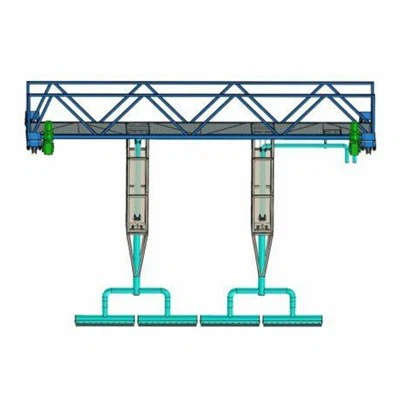
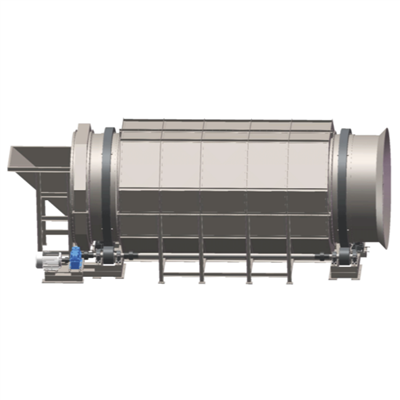
As a supplier of mechanical bar screens, I often receive inquiries from customers about the maintenance frequency of these essential wastewater treatment components. A mechanical bar screen plays a crucial role in the initial stage of wastewater treatment, removing large debris such as sticks, rags, plastics, and other solid objects from the influent. Proper maintenance is key to ensuring its efficient and reliable operation, which in turn affects the overall performance of the wastewater treatment plant.
Factors Affecting Maintenance Frequency
-
Influent Characteristics
The nature of the wastewater being treated has a significant impact on how often a mechanical bar screen needs maintenance. If the influent contains a high volume of large debris, fibrous materials, or abrasive substances, the bar screen will experience more wear and tear. For example, in industrial areas where manufacturing processes generate a lot of solid waste, or in areas with heavy rainfall that can carry a large amount of sediment and debris into the sewer system, the bar screen may need more frequent maintenance. In contrast, in a relatively clean domestic wastewater treatment plant, the maintenance interval can be longer. -
Screen Design and Material
The design and material of the mechanical bar screen also influence maintenance requirements. Screens with complex designs or moving parts may require more frequent inspections and maintenance to ensure that all components are functioning properly. For instance, a bar screen with a self - cleaning mechanism may have more parts that need to be checked regularly for proper operation. Additionally, the material of the bars and other components affects their durability. High - quality materials that are resistant to corrosion and abrasion will generally require less frequent replacement and maintenance compared to lower - quality materials. -
Operating Conditions
The operating conditions of the bar screen, such as the flow rate and temperature of the wastewater, can impact its maintenance schedule. High - flow rates can put more stress on the screen, increasing the likelihood of mechanical failures or blockages. Extreme temperatures, either very hot or very cold, can also affect the performance of the screen and its components. For example, in cold climates, freezing temperatures may cause ice to form on the screen, which can damage the bars and other parts.
General Maintenance Guidelines
Based on industry experience and best practices, here are some general guidelines for the maintenance frequency of mechanical bar screens:
-
Daily Inspections
Daily inspections are essential to identify any immediate issues that could affect the operation of the bar screen. Operators should visually check the screen for any signs of blockages, such as debris piling up on the bars. They should also observe the movement of the screen, if it is a moving - type screen, to ensure that it is operating smoothly. Any abnormal noises or vibrations should be noted and investigated further. During these daily checks, operators can also clean the screen of any loose debris that may have accumulated on the surface. -
Weekly Maintenance
Weekly maintenance tasks typically include a more detailed inspection of the screen's components. This may involve checking the drive system, such as motors and chains, for proper lubrication and tension. The electrical connections should also be inspected for any signs of damage or loose connections. Additionally, the control panel and sensors should be tested to ensure that they are functioning correctly. Any minor repairs or adjustments can be made during this weekly maintenance to prevent more significant problems from developing. -
Monthly Maintenance
On a monthly basis, a more in - depth inspection of the bar screen should be carried out. This may include measuring the wear of the bars and other components to determine if they need to be replaced. The structural integrity of the screen frame should also be checked for any signs of corrosion, cracks, or other damage. The cleaning mechanism, if present, should be thoroughly inspected and cleaned to ensure that it is effectively removing debris from the screen.

-
Quarterly and Annual Maintenance
Quarterly and annual maintenance tasks are more comprehensive and may require the assistance of professional maintenance personnel. Quarterly maintenance may involve a more detailed analysis of the screen's performance data, such as the amount of debris removed and the power consumption of the drive system. Annual maintenance typically includes a complete overhaul of the bar screen, including the replacement of worn - out components, a thorough cleaning of the entire system, and a calibration of the control system.
Importance of Regular Maintenance
Regular maintenance of mechanical bar screens is crucial for several reasons. Firstly, it ensures the efficient operation of the screen, which is essential for the overall performance of the wastewater treatment plant. A well - maintained bar screen can effectively remove large debris, preventing it from causing damage to downstream equipment such as pumps and valves. Secondly, regular maintenance helps to extend the lifespan of the bar screen, reducing the need for costly replacements. By identifying and addressing issues early, operators can avoid major breakdowns that can lead to costly downtime and repairs. Finally, proper maintenance also helps to meet regulatory requirements, as wastewater treatment plants are often required to maintain their equipment in good working condition to ensure compliance with environmental standards.
Related Products and Their Maintenance
In addition to mechanical bar screens, we also supply other wastewater treatment equipment such as the Low Speed Submersible Agitator, Wastewater UV System, and Peripheral Driving Sludge Thickener. Each of these products also has its own maintenance requirements.
The Low Speed Submersible Agitator, for example, needs regular checks of the impeller for any signs of damage or wear, as well as inspections of the motor and seals to prevent leakage. The Wastewater UV System requires regular cleaning of the UV lamps and quartz sleeves to ensure optimal disinfection performance. The Peripheral Driving Sludge Thickener needs regular maintenance of its drive system, rake mechanism, and sludge discharge system to ensure efficient sludge thickening.
Conclusion and Call to Action
In conclusion, the maintenance frequency of a mechanical bar screen depends on various factors such as influent characteristics, screen design, and operating conditions. By following the general maintenance guidelines outlined above, operators can ensure the efficient and reliable operation of their bar screens.
If you are in the market for a mechanical bar screen or any of our other wastewater treatment equipment, we encourage you to reach out to us for more information. Our team of experts can provide you with detailed product specifications, maintenance advice, and help you select the right equipment for your specific needs. Contact us today to start a discussion about your wastewater treatment requirements and explore how our products can benefit your plant.
References
- "Wastewater Treatment Plant Design", Water Environment Federation
- Industry standards and guidelines for wastewater treatment equipment maintenance