Hey there! As a paper pulp equipment supplier, I often get asked, "How much does paper pulp equipment cost?" Well, it's not a one - size - fits - all answer. The cost of paper pulp equipment can vary widely based on a bunch of factors.
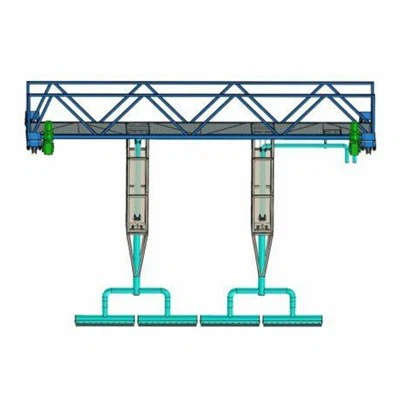
First off, let's talk about the type of equipment. There are so many different machines involved in the paper pulp production process. For example, a Pressure Screen in Paper Industry is a crucial piece of kit. It's used to separate and clean pulp fibers, removing impurities. The price of a pressure screen can depend on its size, capacity, and the specific features it has. A small - scale pressure screen for a startup or a small - sized paper mill might cost anywhere from a few thousand dollars. But if you're looking for a high - capacity, industrial - grade pressure screen with advanced automation and high - precision screening capabilities, you could be looking at tens of thousands of dollars, or even more.
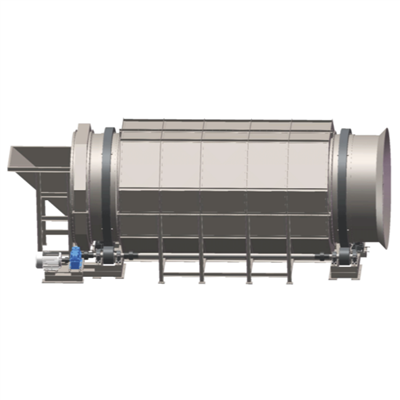
Another important piece of equipment is the Screw Separator. This machine is used to separate the liquid and solid components in the pulp. It's a pretty simple - looking device, but its efficiency and durability can vary a lot. A basic screw separator might be relatively affordable, starting at around a couple of thousand dollars. However, if you need a heavy - duty screw separator that can handle large volumes of pulp continuously and has a long service life, you'll likely have to shell out more. The cost for a high - end screw separator could reach up to $50,000 or more, depending on its specifications.
Then there's the Medium Consistency Refiner. This is a key machine for refining pulp to improve its quality. Medium consistency refiners work by mechanically treating the pulp fibers to enhance their bonding properties. The price of a medium consistency refiner can be quite high. Small - to - medium - sized refiners for smaller paper mills can cost around $30,000 - $50,000. But for large - scale, state - of - the - art refiners used in big industrial paper plants, the cost can easily exceed $100,000.
The brand of the equipment also plays a huge role in determining the cost. Well - known, established brands often charge a premium for their products. They've built a reputation for quality, reliability, and good after - sales service. You're basically paying for the peace of mind that comes with knowing you're getting a product that's been tested and proven over time. On the other hand, there are also some lesser - known brands that offer more budget - friendly options. These might be a good choice for those on a tight budget, but you have to be a bit more careful about the quality and support you'll get.
The level of automation is another factor. In today's world, a lot of paper pulp equipment comes with some level of automation. Automated equipment can increase efficiency, reduce labor costs, and improve the consistency of the production process. However, this added convenience comes at a price. Automated versions of the same equipment can be significantly more expensive than their manual counterparts. For example, an automated pressure screen might cost 30% - 50% more than a non - automated one.
The capacity of the equipment is also a major determinant of cost. If you're running a small - scale paper production operation, you might not need a high - capacity machine. A low - capacity pressure screen or refiner can do the job just fine and will be much cheaper. But if you're looking to set up a large - scale industrial paper mill, you'll need equipment with high throughput. High - capacity machines are built to handle large volumes of pulp continuously, and they're usually more complex and expensive to manufacture.


Maintenance and operating costs are also things to consider. Some equipment might have a lower upfront cost but end up being more expensive in the long run due to high maintenance requirements. For example, a cheaper screw separator might require more frequent part replacements and have higher energy consumption. On the other hand, a more expensive but well - built machine might have lower maintenance costs and be more energy - efficient over its lifespan.
So, as you can see, it's really hard to give a specific cost for paper pulp equipment. It all depends on what you need, how much you need it to produce, and what features and quality you're looking for.
If you're in the market for paper pulp equipment, I'd be more than happy to have a chat with you. We can go over your specific requirements, and I can give you a more accurate quote based on what you need. Whether you're a small - time paper producer just starting out or a big industrial player looking to upgrade your equipment, I've got solutions for you. Don't hesitate to reach out and start the conversation about your paper pulp equipment needs.
References:
- Industry knowledge and experience as a paper pulp equipment supplier.
- General market research on paper pulp equipment pricing.