Hey there! As a supplier of submersible tank mixers, I've seen firsthand how different factors can impact the operation of these nifty machines. One such factor that often gets overlooked is the liquid's viscosity gradient. In this blog post, I'm gonna break down what this viscosity gradient is and how it affects the operation of submersible tank mixers.
First things first, let's talk about what viscosity is. Viscosity is basically a measure of a fluid's resistance to flow. Think of it like this: honey has a high viscosity because it flows slowly, while water has a low viscosity because it flows quickly. Now, a viscosity gradient occurs when there's a difference in viscosity within the same liquid. This can happen for a bunch of reasons, like temperature variations, the presence of different substances in the liquid, or even the way the liquid is being mixed.
So, how does this viscosity gradient mess with the operation of a submersible tank mixer? Well, one of the main issues is that it can make it harder for the mixer to achieve uniform mixing. When there's a big difference in viscosity between different parts of the liquid, the mixer has to work harder to move the thicker, more viscous parts around. This can lead to uneven mixing, where some areas of the tank are well - mixed while others are not.
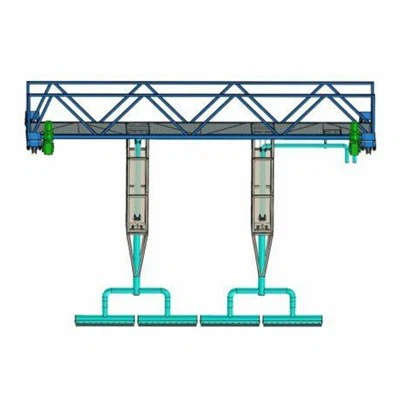
Let's say you're using a submersible tank mixer in a Water Seal Tank. If there's a viscosity gradient in the water - seal liquid, the mixer might not be able to distribute chemicals or other additives evenly. This can affect the overall performance of the water - seal tank, leading to issues like poor sealing or inefficient treatment of the sewage.
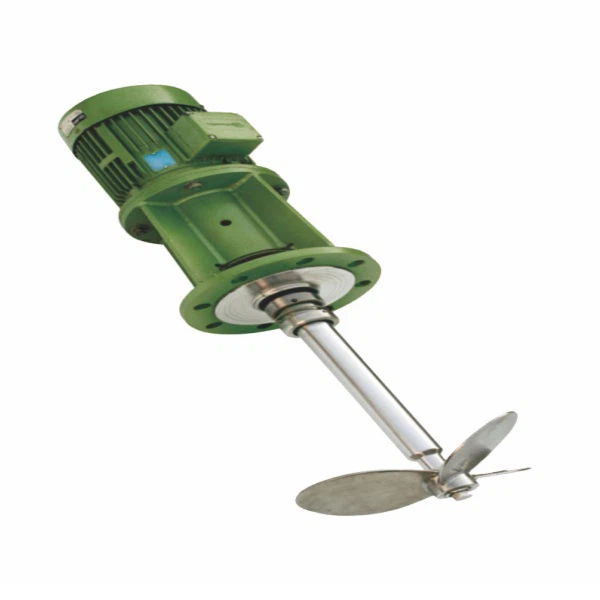
Another problem caused by the viscosity gradient is increased wear and tear on the mixer. The motor of the submersible tank mixer has to work overtime to deal with the resistance of the more viscous parts of the liquid. This extra strain can cause the motor to overheat, which shortens its lifespan. Additionally, the impellers of the mixer can experience more stress as they try to push through the thick liquid. This can lead to premature wear of the impeller blades, reducing their efficiency and eventually requiring replacement.
In some cases, the viscosity gradient can also cause cavitation. Cavitation happens when the pressure around the impeller drops below the vapor pressure of the liquid, causing bubbles to form. These bubbles then collapse when they move into an area of higher pressure, creating shockwaves that can damage the impeller and other components of the mixer. High - viscosity gradients can exacerbate this problem because the uneven flow of the liquid around the impeller can create areas of low pressure more easily.
Now, let's look at some ways to deal with the viscosity gradient when using a submersible tank mixer. One option is to use a mixer with a more powerful motor. A stronger motor can handle the increased resistance caused by the viscosity gradient better, ensuring more consistent mixing. However, this also means higher energy consumption, which can increase operating costs.
Another approach is to adjust the design of the impeller. Some impeller designs are better suited for handling liquids with high viscosity gradients. For example, a pitched - blade impeller can be more effective at moving thick liquids compared to a flat - blade impeller. By choosing the right impeller design, you can improve the mixer's performance in the presence of a viscosity gradient.
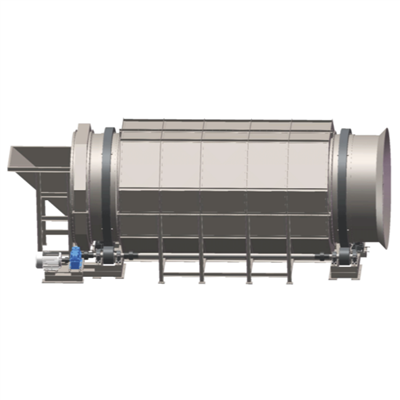
Temperature control can also play a crucial role. Since viscosity is often affected by temperature, maintaining a consistent temperature throughout the tank can help reduce the viscosity gradient. For instance, in a Flocculant Mixer, keeping the liquid at an optimal temperature can ensure that the flocculant is mixed evenly and works as intended.

In a MBR Treatment Plant, where submersible tank mixers are commonly used, dealing with the viscosity gradient is essential for the proper functioning of the treatment process. Uneven mixing due to the viscosity gradient can lead to poor separation of solids and liquids, reducing the efficiency of the membrane bioreactor.
As a supplier of submersible tank mixers, I understand the challenges that come with dealing with viscosity gradients. That's why we offer a range of mixers designed to handle different liquid viscosities and gradients. Our experts can help you choose the right mixer for your specific application, taking into account factors like the viscosity of the liquid, the size of the tank, and the required mixing intensity.
If you're facing issues with your current submersible tank mixer due to viscosity gradients or if you're looking for a new mixer for your application, I encourage you to reach out. We're here to provide you with the best solutions and ensure that your mixing process runs smoothly. Whether it's for a water - seal tank, a flocculant mixer, or an MBR treatment plant, we've got the expertise and the products to meet your needs. So, don't hesitate to contact us for a consultation and let's start a discussion about your mixing requirements.
In conclusion, the liquid's viscosity gradient can have a significant impact on the operation of a submersible tank mixer. It can lead to uneven mixing, increased wear and tear, and even cavitation. However, by understanding these issues and taking appropriate measures, such as using the right mixer design, controlling temperature, and seeking expert advice, you can minimize the negative effects of the viscosity gradient and ensure the efficient operation of your submersible tank mixer.
References:
- Fluid Mechanics textbooks for general information on viscosity and fluid flow.
- Industry reports on the performance of submersible tank mixers in different applications.
- Manufacturer's guides for submersible tank mixers regarding operation and maintenance.