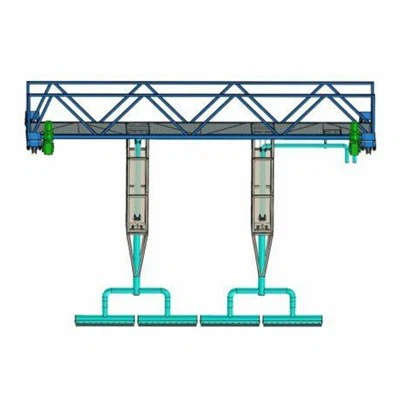
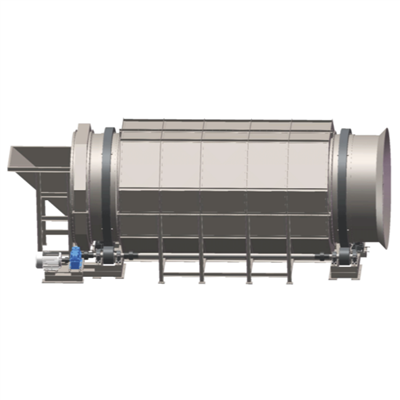
Hey there! As a supplier of mechanical bar screens, I'm super stoked to dive into the main components of these nifty pieces of equipment. Mechanical bar screens are a crucial part of wastewater treatment and other industrial processes, helping to remove large debris and solids from the flow. So, let's break down what makes them tick.
1. Bars
The bars are the most obvious and fundamental part of a mechanical bar screen. They're usually made of stainless steel or other corrosion - resistant materials. These bars are spaced at specific intervals, depending on the size of the debris you want to capture. For example, in a municipal wastewater treatment plant, the bar spacing might be around 15 - 50 mm to catch things like sticks, rags, and large pieces of trash.
The bars are arranged vertically or at a slight angle. A vertical arrangement is common in simple setups, while an angled one can help with self - cleaning. When the wastewater flows through the screen, the bars act as a physical barrier, blocking the large objects and allowing the water to pass through. It's like a big, sturdy sieve for your water! If you're also interested in other filtration equipment, check out our Stainless Steel Sand Filter.

2. Cleaning Mechanism
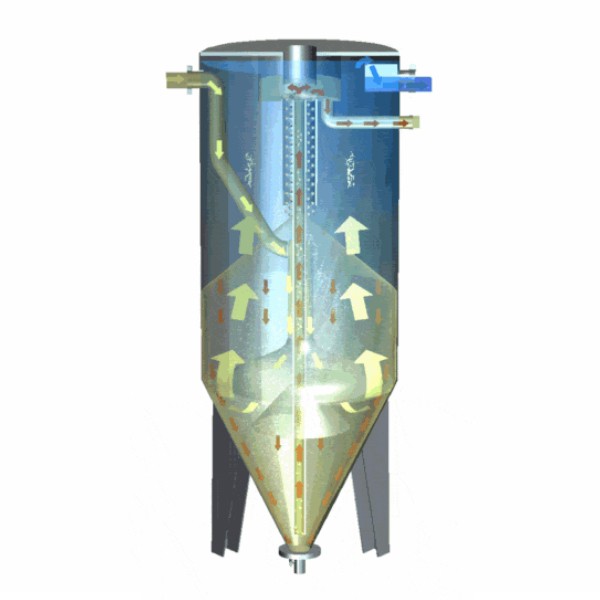
Now, the bars will eventually get clogged with all the debris they catch. That's where the cleaning mechanism comes in. There are a few different types of cleaning mechanisms, but the most common ones are rake - type and brush - type.
Rake - Type Cleaning
In a rake - type cleaning system, a set of rakes moves along the bars to scrape off the accumulated debris. The rakes are usually driven by a motor and a chain or belt system. As the rakes move up the bars, they collect the debris and then deposit it into a hopper or conveyor for removal. This type of cleaning is very effective for removing large, solid objects. It can operate continuously or at set intervals, depending on the flow rate and the amount of debris in the water.
Brush - Type Cleaning
Brush - type cleaning mechanisms use rotating brushes to clean the bars. The brushes are in contact with the bars and as they rotate, they sweep away the debris. This method is great for removing smaller particles and slimes that might stick to the bars. It's often used in combination with a rake - type system for more comprehensive cleaning.
3. Drive Unit
The drive unit is what powers the cleaning mechanism. It's typically an electric motor, but in some cases, it can also be a hydraulic or pneumatic system. The motor is connected to the cleaning mechanism through a series of gears, chains, or belts. It needs to be powerful enough to move the cleaning mechanism smoothly and efficiently, even when there's a lot of debris on the bars.
The drive unit also has controls that allow you to adjust the speed and frequency of the cleaning operation. For example, if the water flow is high and there's a lot of debris, you can increase the cleaning frequency. On the other hand, if the flow is low, you can reduce it to save energy.
4. Frame and Structure
The frame and structure of the mechanical bar screen provide support and stability. It's usually made of heavy - duty steel or other strong materials. The frame holds the bars in place and also supports the cleaning mechanism and the drive unit.
The structure is designed to be installed in a channel or tank where the wastewater flows. It needs to be properly aligned and sealed to prevent any bypass of water around the screen. A well - built frame and structure ensure that the bar screen operates effectively and safely. If you're looking for other equipment to enhance your wastewater treatment process, take a look at our Submersible Aerator.
5. Debris Removal System
Once the debris is removed from the bars by the cleaning mechanism, it needs to be transported away. This is where the debris removal system comes in. There are several options for debris removal, including conveyors, hoppers, and screw conveyors.
Conveyors
Conveyors are a popular choice for debris removal. They can be either belt conveyors or chain conveyors. Belt conveyors are smooth and quiet, while chain conveyors are more robust and can handle heavier loads. The conveyor moves the debris from the bar screen to a disposal area, such as a dumpster or a treatment facility.
Hoppers
Hoppers are used to collect the debris temporarily. They're usually placed below the bar screen, and the debris falls into them as it's removed from the bars. When the hopper is full, it can be emptied manually or using a mechanical system.
Screw Conveyors
Screw conveyors use a rotating screw to move the debris along a tube. They're great for handling wet and sticky debris. The screw conveyor can be inclined or horizontal, depending on the layout of your facility. And if you're dealing with sludge and need to dehydrate it, our Screw Press Dehydrator might be just what you need.
6. Control Panel
The control panel is like the brain of the mechanical bar screen. It allows you to monitor and control the operation of the screen. You can set the cleaning frequency, adjust the speed of the drive unit, and receive alarms if there's a problem with the system.
Modern control panels are often equipped with advanced features like remote monitoring and control. This means you can check on the status of your bar screen and make adjustments from anywhere, using a computer or a mobile device. It's super convenient, especially for large - scale wastewater treatment plants.
Why Choose Our Mechanical Bar Screens?
We've been in the business of supplying mechanical bar screens for a long time, and we know what it takes to make a high - quality product. Our bar screens are made with the best materials and the latest technology. We offer a wide range of bar spacings and cleaning mechanisms to suit your specific needs.
Our team of experts can also provide you with installation, maintenance, and repair services. We're committed to helping you get the most out of your mechanical bar screen and ensuring that your wastewater treatment process runs smoothly.
If you're interested in learning more about our mechanical bar screens or have any questions about the components, don't hesitate to get in touch. We're always happy to have a chat and discuss how we can meet your requirements. Whether you're a small - scale industrial facility or a large municipal water treatment plant, we've got the right solution for you. Contact us today to start the procurement negotiation process and take your wastewater treatment to the next level!
References
- Metcalf & Eddy. (2003). Wastewater Engineering: Treatment and Reuse. McGraw - Hill.
- WEF. (2018). MOP 12: Wastewater Treatment Plant Design. Water Environment Federation.