Hey there! As a supplier of submersible tank mixers, I've seen firsthand how crucial it is to transport these heavy - duty machines safely. Submersible tank mixers are no joke; they're bulky, often heavy, and extremely delicate in terms of their internal components. One wrong move during transportation, and you could end up with a damaged mixer that won't perform as it should. So, let's dive into how to transport a submersible tank mixer safely.
Pre - transport Preparations
First things first, you gotta do a thorough inspection of the mixer. Check for any signs of damage, loose parts, or wear and tear. This is the time to tighten any loose bolts, nuts, or screws. Make sure all electrical connections are secure, and the wiring is in good condition. You don't want any loose wires rattling around during transit.
It's also a great idea to clean the mixer before packing it up. Remove any debris, dirt, or chemicals that might have accumulated on it. A clean mixer is not only easier to handle but also less likely to have any hidden damage that could be exacerbated during transportation.
Once you've inspected and cleaned the mixer, it's time to choose the right packaging materials. You'll need a sturdy crate or a heavy - duty cardboard box that can withstand the weight and protect the mixer from impacts. Foam padding is your best friend here. Line the inside of the crate or box with thick foam sheets to cushion the mixer. Wrap the mixer itself in bubble wrap to add an extra layer of protection. Pay special attention to the impeller, which is one of the most delicate parts. You might want to use custom - cut foam inserts to hold the impeller in place and prevent it from moving around.

Securing the Mixer
Now that your mixer is all wrapped up, it's time to secure it inside the crate. Use straps or ropes to tie the mixer down firmly. Make sure it can't move around even if the crate is jostled during transit. You can also use wooden blocks or braces to fill any empty spaces in the crate. This will prevent the mixer from shifting and hitting the sides of the crate.
If you're transporting multiple mixers, stack them carefully and separate them with more foam padding. Make sure each mixer is secured independently to avoid any damage caused by them knocking into each other.
Choosing the Right Transport Method
There are several ways to transport a submersible tank mixer, and the choice depends on a few factors. If you're transporting the mixer locally, a flat - bed truck might be a good option. Flat - bed trucks offer easy loading and unloading, and you can secure the crate directly to the truck bed. However, you need to make sure the truck has a good suspension system to minimize vibrations.
For longer distances, shipping by freight is often the way to go. Freight carriers have experience in transporting heavy and bulky items. When choosing a freight carrier, look for one that has a good reputation for handling delicate equipment. Check their insurance policies to make sure your mixer is covered in case of any damage during transit.
If you're shipping internationally, you'll need to consider customs regulations and paperwork. Make sure you have all the necessary documents, such as a bill of lading, commercial invoice, and any permits required for the transport of industrial equipment. You might also want to consult with a freight forwarder who can help you navigate the complex international shipping process.
Handling During Transit
During transit, it's important to monitor the conditions. If possible, choose a transport method that allows for temperature and humidity control. Extreme temperatures and high humidity can damage the mixer's electrical components and cause corrosion.
The carrier should also take precautions to avoid rough handling. Bumps, drops, and sudden stops can all cause damage to the mixer. Make sure the carrier is aware of the fragility of the cargo and has a plan in place to handle it gently.
Unloading and Installation
Once the mixer arrives at its destination, it's time to unload it carefully. Use a forklift or a crane if necessary, but make sure the operators are experienced in handling heavy and delicate equipment. Remove the packaging materials slowly and check the mixer for any signs of damage during transit.
If there is any damage, document it immediately and contact the carrier and your insurance company. Don't attempt to install the mixer until you've resolved any damage issues.
When it's time to install the mixer, follow the manufacturer's instructions carefully. Make sure all the connections are made correctly, and the mixer is properly secured in the tank.
Related Equipment
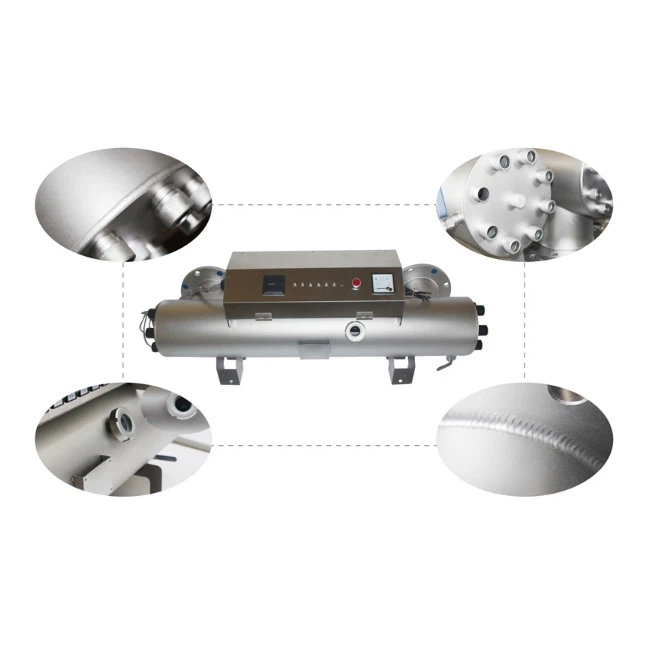
In the wastewater treatment industry, submersible tank mixers are often used in conjunction with other equipment. For example, a Wastewater UV System can be used to disinfect the water after it has been mixed. The UASB Anaerobic Reactor is another important piece of equipment that can work in tandem with the mixer to break down organic matter. And the Microporous Aeration Disc can help with the aeration process, which is often a crucial step in wastewater treatment.
Conclusion
Transporting a submersible tank mixer safely is a multi - step process that requires careful planning and attention to detail. From pre - transport preparations to unloading and installation, every step is important to ensure that the mixer arrives at its destination in perfect working condition.
If you're in the market for a submersible tank mixer or have any questions about transporting or using one, don't hesitate to reach out. We're here to help you with all your wastewater treatment equipment needs.
References
- "Industrial Equipment Transportation Best Practices" - Industry Journal
- Manufacturer's Manuals for Submersible Tank Mixers
- Freight Carrier Guidelines for Delicate Equipment Transport