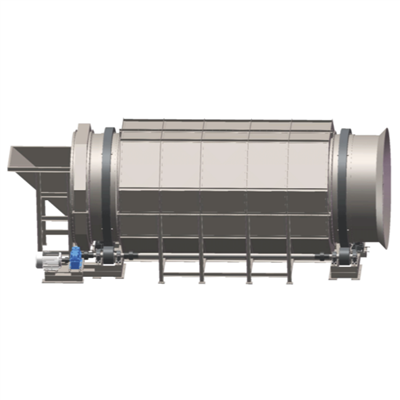
As a supplier of Rotary Drum Screens, I understand the importance of optimizing their performance to meet the diverse needs of our clients in the wastewater treatment and solid-liquid separation industries. In this blog, I will share some practical strategies and insights on how to improve the performance of a Rotary Drum Screen.

1. Regular Maintenance and Inspection
One of the most fundamental ways to enhance the performance of a Rotary Drum Screen is through regular maintenance and inspection. Over time, debris, sediment, and other contaminants can accumulate on the screen surface, leading to reduced screening efficiency and increased wear and tear. By implementing a routine maintenance schedule, you can prevent these issues and ensure the smooth operation of the equipment.
- Cleaning the Screen Surface: Regularly clean the screen surface to remove any accumulated debris. This can be done using a high-pressure water jet or a mechanical brush. Make sure to clean both the inside and outside of the drum to ensure thorough cleaning.
- Checking the Drive System: Inspect the drive system, including the motor, belts, and gears, for any signs of wear or damage. Replace any worn-out parts promptly to prevent breakdowns and ensure consistent performance.
- Lubricating Moving Parts: Lubricate all moving parts, such as bearings and shafts, according to the manufacturer's recommendations. Proper lubrication reduces friction and extends the lifespan of the equipment.
- Inspecting the Structural Integrity: Examine the structural integrity of the Rotary Drum Screen, including the frame, support legs, and mounting brackets. Look for any signs of cracks, corrosion, or loose bolts. Repair or replace any damaged components as needed.
2. Optimizing Screen Design and Configuration
The design and configuration of the Rotary Drum Screen play a crucial role in its performance. By choosing the right screen type, aperture size, and drum diameter, you can improve the screening efficiency and achieve better separation results.
- Selecting the Appropriate Screen Type: There are several types of screens available for Rotary Drum Screens, including wedge wire screens, perforated plates, and mesh screens. Each type has its own advantages and disadvantages, so it's important to choose the one that best suits your specific application. For example, wedge wire screens are known for their high open area and excellent durability, making them ideal for applications with high solids content.
- Choosing the Right Aperture Size: The aperture size of the screen determines the size of the particles that can pass through. Selecting the appropriate aperture size is crucial to ensure efficient screening and prevent clogging. Consider the size distribution of the solids in the feed material when choosing the aperture size.
- Optimal Drum Diameter and Length: The diameter and length of the drum also affect the performance of the Rotary Drum Screen. A larger drum diameter provides more screening area, which can increase the throughput capacity. However, it also requires more space and energy to operate. The length of the drum determines the retention time of the material inside the drum, which can affect the screening efficiency. Choose the drum diameter and length based on your specific application requirements.
3. Adjusting Operating Parameters
The operating parameters of the Rotary Drum Screen, such as the rotational speed, feed rate, and inclination angle, can significantly impact its performance. By adjusting these parameters, you can optimize the screening process and achieve better results.
- Rotational Speed: The rotational speed of the drum affects the screening efficiency and the throughput capacity. A higher rotational speed can increase the throughput capacity but may also lead to reduced screening efficiency. Experiment with different rotational speeds to find the optimal setting for your application.
- Feed Rate: The feed rate of the material into the Rotary Drum Screen should be carefully controlled to ensure efficient screening. Overfeeding can cause the screen to clog, while underfeeding can result in low throughput capacity. Adjust the feed rate based on the capacity of the screen and the characteristics of the feed material.
- Inclination Angle: The inclination angle of the drum affects the residence time of the material inside the drum and the movement of the solids along the screen surface. A steeper inclination angle can increase the throughput capacity but may also reduce the screening efficiency. Adjust the inclination angle based on the size and density of the solids in the feed material.
4. Incorporating Auxiliary Equipment
In some cases, incorporating auxiliary equipment can enhance the performance of the Rotary Drum Screen and improve the overall efficiency of the separation process.
- Pre-screening Equipment: Using pre-screening equipment, such as bar screens or coarse screens, can remove large debris and solids from the feed material before it enters the Rotary Drum Screen. This can prevent clogging and reduce the wear and tear on the screen.
- Backwashing System: A backwashing system can be used to periodically clean the screen surface and remove any accumulated debris. This can improve the screening efficiency and extend the lifespan of the screen.
- Wastewater Treatment Equipment: In wastewater treatment applications, integrating the Rotary Drum Screen with other wastewater treatment equipment, such as MBR Treatment Plant, IC Anaerobic Reactor, or Aerator Mixer, can achieve a more comprehensive treatment process and better water quality.
5. Training and Operator Expertise
The training and expertise of the operators also play a crucial role in the performance of the Rotary Drum Screen. By providing proper training and support to the operators, you can ensure that the equipment is operated correctly and maintained properly.
- Operator Training: Provide comprehensive training to the operators on the operation, maintenance, and troubleshooting of the Rotary Drum Screen. This should include training on safety procedures, equipment controls, and preventive maintenance.
- Operator Feedback: Encourage the operators to provide feedback on the performance of the equipment. They can share their insights and experiences, which can help identify any issues or areas for improvement.
- Continuous Learning: Keep the operators updated on the latest technologies and best practices in the field of wastewater treatment and solid-liquid separation. This can help them optimize the performance of the Rotary Drum Screen and improve the overall efficiency of the process.
Conclusion
Improving the performance of a Rotary Drum Screen requires a comprehensive approach that includes regular maintenance and inspection, optimizing screen design and configuration, adjusting operating parameters, incorporating auxiliary equipment, and providing proper training and support to the operators. By implementing these strategies, you can enhance the screening efficiency, increase the throughput capacity, and reduce the maintenance costs of the Rotary Drum Screen.
If you are interested in learning more about our Rotary Drum Screens or other wastewater treatment equipment, or if you have any questions or requirements, please feel free to contact us. We are committed to providing high-quality products and excellent customer service, and we look forward to the opportunity to serve you.
References
- "Wastewater Treatment Engineering: Principles and Practice" by Metcalf & Eddy
- "Solid-Liquid Separation" by Joseph H. Yoo and Chul H. Kim
- Manufacturer's manuals and technical documents for Rotary Drum Screens