Hey there! As a supplier of flocculant mixers, I've seen firsthand how crucial energy efficiency is in today's industrial landscape. Not only does it save costs, but it also contributes to a more sustainable environment. In this blog, I'll share some practical tips on how to improve the energy efficiency of a flocculant mixer.
Understanding the Basics of Flocculant Mixers
Before we dive into the energy - saving tips, let's quickly go over what a flocculant mixer does. A flocculant mixer is used to blend flocculants with wastewater or other liquids. The flocculants help to aggregate small particles in the liquid into larger flocs, which can then be more easily separated. This process is vital in many industries, such as water treatment plants, mining, and food processing.
Optimize the Mixer Design
One of the first steps to improve energy efficiency is to optimize the mixer design. The size and shape of the mixing tank, as well as the type and placement of the mixing impellers, can have a significant impact on energy consumption.
- Tank Size and Shape: A well - designed tank can reduce the amount of energy needed to achieve proper mixing. For example, a tank with a conical bottom can help to direct the flow of the liquid towards the impeller, improving mixing efficiency. Avoid using oversized tanks, as they require more energy to circulate the liquid.
- Impeller Type and Placement: Different impeller types are suitable for different applications. For instance, a radial flow impeller is great for creating a high - shear mixing environment, while an axial flow impeller is better for low - shear applications. Proper placement of the impeller within the tank is also crucial. It should be positioned at the right height and angle to ensure maximum mixing with minimum energy input.
Control the Mixing Speed
The speed at which the mixer operates is directly related to its energy consumption. Running the mixer at a higher speed than necessary can waste a lot of energy.


- Variable Frequency Drives (VFDs): Installing a VFD on your flocculant mixer allows you to adjust the speed of the motor according to the mixing requirements. When the mixing process doesn't require high - speed agitation, you can lower the speed, thereby reducing energy consumption. For example, during the initial stages of flocculation, a lower speed may be sufficient to disperse the flocculant evenly. As the flocs start to form, you can gradually increase the speed if needed.
- Monitoring and Adjusting: Regularly monitor the mixing process to determine the optimal speed. You can use sensors to measure parameters such as the turbidity of the liquid or the size of the flocs. Based on these measurements, you can adjust the mixing speed accordingly.
Maintain the Mixer Regularly
Proper maintenance of the flocculant mixer is essential for energy efficiency. A poorly maintained mixer may have worn - out parts, which can increase friction and require more energy to operate.
- Lubrication: Ensure that all moving parts of the mixer, such as bearings and gears, are properly lubricated. This reduces friction and wear, allowing the mixer to run more smoothly and use less energy.
- Inspection and Replacement: Regularly inspect the mixer for any signs of damage or wear. Replace worn - out impellers, belts, and other components promptly. A damaged impeller may not mix the liquid efficiently, forcing the motor to work harder and consume more energy.
Use High - Efficiency Motors
The motor is the heart of the flocculant mixer, and using a high - efficiency motor can make a big difference in energy consumption.
- Energy - Efficient Motor Design: Look for motors with high energy efficiency ratings. These motors are designed to convert electrical energy into mechanical energy more effectively, reducing wasted energy in the form of heat.
- Proper Sizing: Make sure the motor is properly sized for the mixer. An oversized motor will consume more energy than necessary, while an undersized motor may not be able to provide sufficient power for proper mixing.
Combine with Other Energy - Saving Equipment
Integrating the flocculant mixer with other energy - saving equipment in the treatment process can further improve overall energy efficiency.
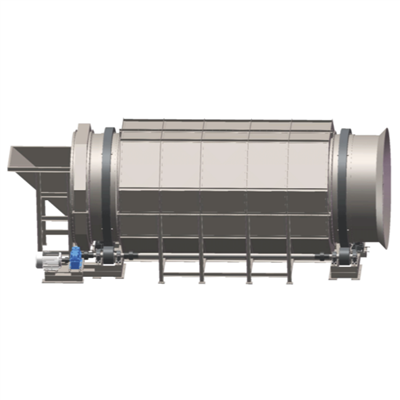
- Screw Press Dehydrator: A screw press dehydrator can be used in conjunction with the flocculant mixer. After the flocs are formed in the mixer, the screw press dehydrator can separate the water from the solids more efficiently. This reduces the overall energy required for the dewatering process.
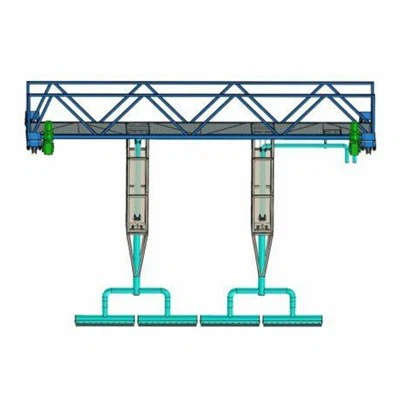
- Peripheral Driving Sludge Thickener: A peripheral driving sludge thickener can be used to thicken the sludge before it enters the flocculant mixer. This reduces the volume of liquid that needs to be mixed, saving energy in the mixing process.
- Mechanical Bar Screen: A mechanical bar screen can remove large debris from the wastewater before it reaches the flocculant mixer. This prevents clogging of the mixer and reduces the energy required for mixing by ensuring a smoother flow of the liquid.
Conclusion
Improving the energy efficiency of a flocculant mixer is not only beneficial for your bottom line but also for the environment. By optimizing the mixer design, controlling the mixing speed, maintaining the equipment regularly, using high - efficiency motors, and combining it with other energy - saving equipment, you can significantly reduce energy consumption.
If you're interested in learning more about our flocculant mixers or how to improve their energy efficiency, feel free to reach out to us. We're here to help you find the best solutions for your specific needs. Whether you're in the water treatment industry, mining, or any other sector that requires flocculation, we've got the expertise and products to make your operations more energy - efficient. Let's work together to create a more sustainable and cost - effective future!
References
- Perry, R. H., & Green, D. W. (1997). Perry's Chemical Engineers' Handbook. McGraw - Hill.
- Coulson, J. M., & Richardson, J. F. (1999). Chemical Engineering Volume 1 - Fluid Flow, Heat Transfer and Mass Transfer. Butterworth - Heinemann.