When it comes to selecting the appropriate size of a hyperboloid mixer, it's a decision that significantly impacts the efficiency and effectiveness of your mixing operations. As a hyperboloid mixer supplier, I've witnessed firsthand the importance of making the right choice. In this blog, I'll guide you through the key factors to consider when choosing the right size of a hyperboloid mixer, ensuring you get the most out of your investment.
Understanding Hyperboloid Mixers
Before delving into the sizing process, it's essential to understand what hyperboloid mixers are and how they work. Hyperboloid mixers are designed to create a three - dimensional flow pattern in liquid applications. Their unique hyperboloid shape allows for efficient mixing, even in large and complex tanks. These mixers are commonly used in wastewater treatment plants, industrial processes, and other applications where thorough mixing of liquids is required.
Factors to Consider for Sizing
Tank Dimensions
The first and most obvious factor is the size of the tank. The volume, length, width, and depth of the tank play a crucial role in determining the appropriate size of the hyperboloid mixer. Larger tanks generally require more powerful mixers to ensure proper circulation and mixing. For example, in a small, shallow tank, a relatively small - sized hyperboloid mixer may be sufficient to achieve the desired mixing effect. However, in a large, deep tank, a larger and more powerful mixer will be needed to reach all areas of the tank and prevent stagnant zones.
Liquid Properties
The properties of the liquid being mixed are also important. Viscosity, density, and temperature can all affect the performance of the mixer. High - viscosity liquids require more energy to mix compared to low - viscosity liquids. If you're dealing with a thick, viscous liquid, you'll need a larger and more powerful hyperboloid mixer to overcome the resistance and achieve thorough mixing. Similarly, liquids with higher densities may also demand a more robust mixer. Temperature can also impact the mixing process, as it can affect the viscosity of the liquid. In some cases, heating or cooling the liquid may be necessary to optimize the mixing performance.
Mixing Requirements
The specific mixing requirements of your application are another critical factor. Are you looking for simple agitation to prevent sedimentation, or do you need to achieve a high - level of homogeneity in the liquid? For applications where a high degree of mixing is required, such as in chemical reactions or the blending of different substances, a larger and more powerful hyperboloid mixer may be necessary. On the other hand, if your goal is just to keep the liquid in motion and prevent settling, a smaller mixer may be sufficient.
Flow Patterns
Understanding the desired flow patterns in the tank is essential for sizing the hyperboloid mixer correctly. Different applications may require different flow patterns, such as axial flow, radial flow, or a combination of both. The shape and design of the hyperboloid mixer can influence the flow pattern. A well - sized mixer will be able to create the desired flow pattern throughout the tank, ensuring that all areas of the liquid are effectively mixed.
Calculating the Right Size
Once you've considered all the relevant factors, you can start calculating the appropriate size of the hyperboloid mixer. There are several methods and formulas available for this purpose, but in most cases, it's advisable to consult with a professional or use specialized software. These tools can take into account all the variables, such as tank dimensions, liquid properties, and mixing requirements, to provide an accurate sizing recommendation.
Importance of Correct Sizing
Choosing the right size of the hyperboloid mixer is not just about getting the job done; it's also about efficiency and cost - effectiveness. An undersized mixer may not be able to achieve the desired mixing results, leading to poor product quality, increased processing time, and potential equipment damage. On the other hand, an oversized mixer will consume more energy than necessary, resulting in higher operating costs. By selecting the correct size, you can ensure optimal performance, energy efficiency, and a longer lifespan for your mixer.
Related Equipment for Wastewater Treatment
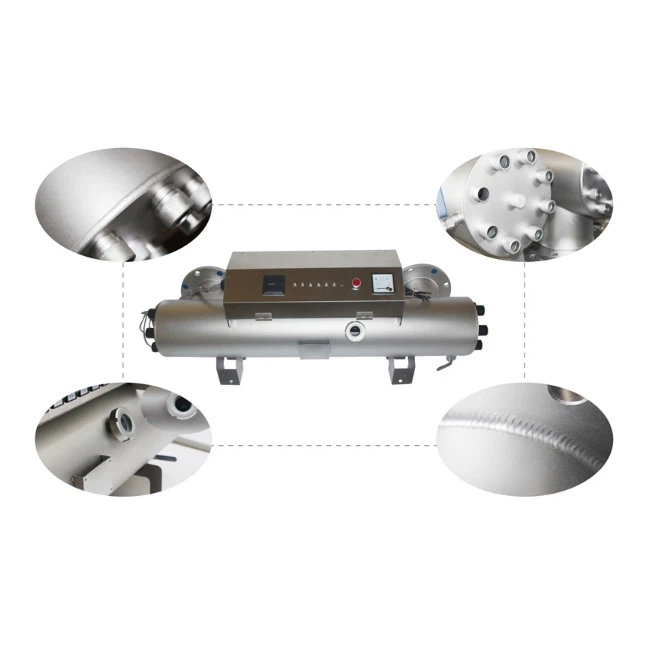
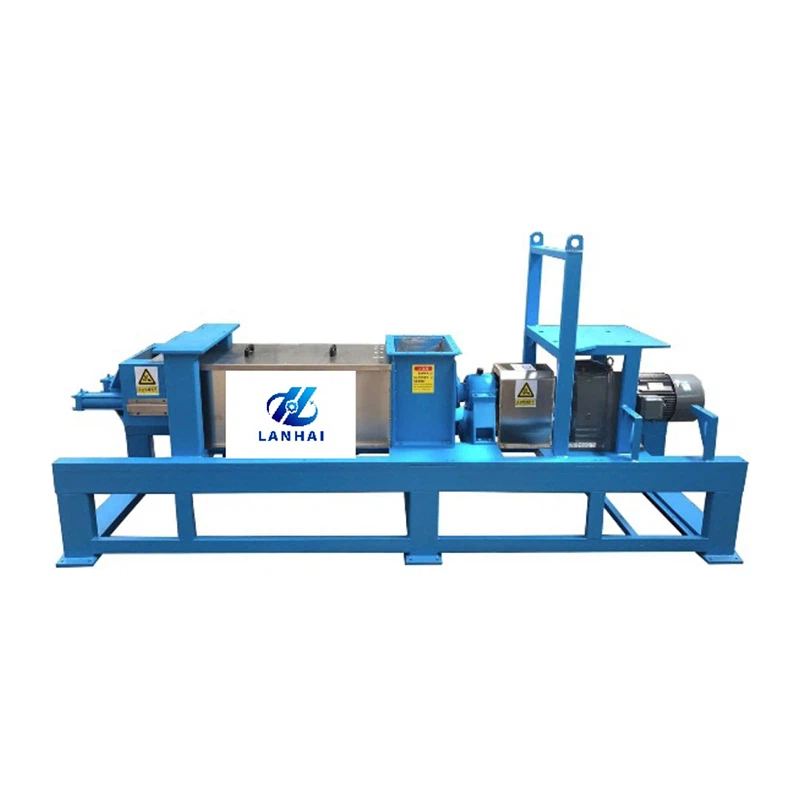
In addition to hyperboloid mixers, there are other important equipment used in wastewater treatment. For example, the Wastewater UV System is an effective solution for disinfecting wastewater. It uses ultraviolet light to kill harmful microorganisms, ensuring that the treated water meets the required standards. The Wastewater Treatment Screw Press is another useful piece of equipment. It is used to dewater sludge, reducing its volume and making it easier to handle and dispose of. The Microporous Aeration Disc is also commonly used in wastewater treatment plants to provide oxygen to the microorganisms in the treatment process, promoting their growth and enhancing the treatment efficiency.
Conclusion and Call to Action
Selecting the right size of a hyperboloid mixer is a complex but crucial decision. By considering factors such as tank dimensions, liquid properties, mixing requirements, and flow patterns, you can make an informed choice that will result in optimal mixing performance and cost - effectiveness. As a hyperboloid mixer supplier, I'm here to help you with this process. If you have any questions or need assistance in choosing the right size of a hyperboloid mixer for your application, please don't hesitate to contact me. We can discuss your specific requirements in detail and provide you with the best solution. Let's work together to ensure the success of your mixing operations.
References
- "Handbook of Industrial Mixing: Science and Practice" by Edward L. Paul, Victor A. Atiemo - Obeng, and Suzanne M. Kresta.
- "Wastewater Engineering: Treatment and Resource Recovery" by George Tchobanoglous, Franklin L. Burton, and H. David Stensel.