Hey there! I'm a supplier of submersible aerators, and today I wanna dig deep into how these nifty gadgets affect the turbidity of water. Turbidity, in simple terms, is how cloudy or murky water looks. It's caused by tiny particles like silt, clay, algae, or even bacteria floating around in the water. Now, let's see how submersible aerators come into play.
How Submersible Aerators Work
First off, let me quickly explain how submersible aerators operate. These devices are designed to be submerged in water, and they work by pumping air into the water. The air is usually released through diffusers, creating bubbles. As these bubbles rise to the surface, they create a water circulation pattern. This circulation helps in mixing the water, which has a significant impact on turbidity.
When the submersible aerator starts working, it agitates the water. The movement of the water can cause the sediment at the bottom to stir up. In the short - term, this might seem like it's increasing the turbidity because more particles are getting suspended in the water. But in the long - run, the aeration process can actually help reduce turbidity.
The Oxygen Factor
One of the key ways a submersible aerator affects turbidity is through oxygenation. When the aerator pumps air into the water, it increases the dissolved oxygen levels. Higher oxygen levels are beneficial for the growth of aerobic bacteria. These bacteria play a crucial role in breaking down organic matter in the water.
Organic matter is a major contributor to water turbidity. When leaves, twigs, or other organic debris enter the water, they start to decompose. As they break down, they release tiny particles that make the water cloudy. Aerobic bacteria speed up this decomposition process. They consume the organic matter and convert it into simpler, less - turbid substances like carbon dioxide and water.
So, by promoting the growth of aerobic bacteria, submersible aerators indirectly reduce the amount of organic matter in the water, which in turn lowers turbidity.
Flocculation and Settling
Another interesting aspect is flocculation. As the water is aerated and circulated by the submersible aerator, the movement can cause small particles to collide with each other. When these collisions occur, the particles can stick together and form larger clumps, or flocs.
These flocs are heavier than the individual particles. As a result, they are more likely to settle to the bottom of the water body. Once they settle, the water above becomes clearer, and the turbidity decreases. This process is especially effective in treating water with a high concentration of fine particles.
Impact on Algae Growth
Algae can also be a major cause of turbidity in water. They can make the water look green and murky. Submersible aerators can have a significant impact on algae growth.
By increasing the dissolved oxygen levels and creating water movement, aerators can disrupt the ideal conditions for algae growth. Algae thrive in stagnant, low - oxygen environments. The aeration process makes the water less hospitable for them. Additionally, the increased oxygen can support the growth of organisms that feed on algae, such as certain types of zooplankton. This natural predation can help keep the algae population in check and reduce turbidity caused by algae.
Real - World Applications
Let's talk about some real - world scenarios where submersible aerators have been used to manage water turbidity. In wastewater treatment plants, submersible aerators are commonly used. They help in breaking down the organic matter present in the wastewater, reducing the turbidity before the water is discharged back into the environment.
In aquaculture ponds, maintaining clear water is crucial for the health of the fish and other aquatic organisms. Submersible aerators can be used to control turbidity by promoting the decomposition of fish waste and other organic materials. This not only improves water quality but also provides a better living environment for the fish.
Complementary Equipment
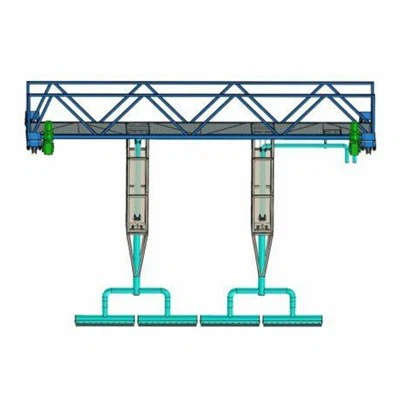
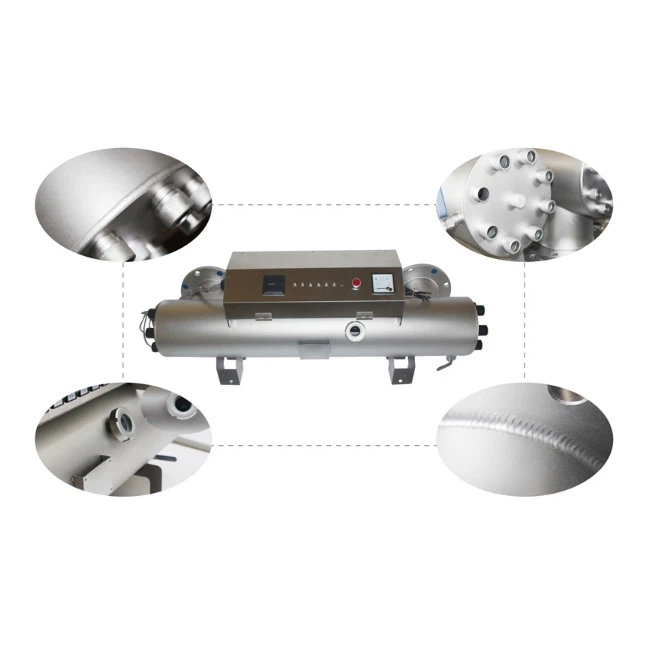
While submersible aerators are great at reducing turbidity, they can work even better when used in conjunction with other equipment. For example, a Wastewater UV System can be used to disinfect the water and kill any harmful bacteria or viruses. This can further improve the water quality and clarity.
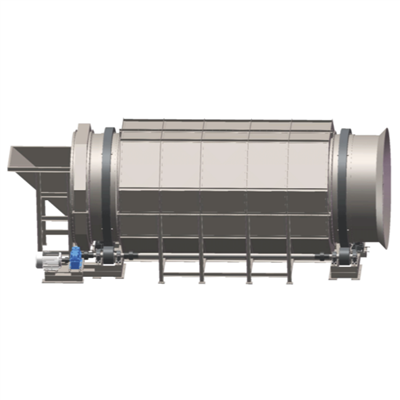
A Micro Screen Filter can be used to physically remove larger particles from the water. It works by allowing water to pass through a fine screen, trapping the particles on the screen. This can be especially useful in removing debris that might not be broken down by the aeration process.

A PC Automated Chemical Dosing System can be used to add chemicals to the water to aid in the flocculation process. These chemicals can help the particles form flocs more effectively, leading to faster settling and lower turbidity.
Conclusion
In conclusion, submersible aerators have a multi - faceted impact on water turbidity. While they might cause a temporary increase in turbidity when they first start stirring up the sediment, in the long - run, they are powerful tools for reducing turbidity. Through oxygenation, promoting flocculation, and controlling algae growth, they can significantly improve water clarity.
If you're dealing with water turbidity issues in a wastewater treatment plant, an aquaculture pond, or any other water body, a submersible aerator could be the solution you're looking for. And remember, combining it with complementary equipment like a Wastewater UV System, Micro Screen Filter, or PC Automated Chemical Dosing System can enhance its effectiveness.
If you're interested in learning more about our submersible aerators or want to discuss how they can be tailored to your specific needs, don't hesitate to reach out. We're here to help you achieve clear, healthy water.
References
- USEPA. (2017). Turbidity in Water. United States Environmental Protection Agency.
- Boyd, C. E., & Tucker, C. S. (1998). Water Quality in Ponds for Aquaculture. Kluwer Academic Publishers.
- Metcalf & Eddy. (2014). Wastewater Engineering: Treatment and Reuse. McGraw - Hill Education.