Hey there! As a supplier of Screw Digester, I often get asked about the wear rate of the screw in a screw digester. So, I thought I'd write this blog to share some insights on this topic.
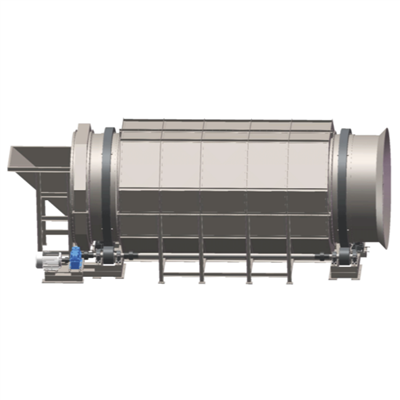
First off, let's understand what a Screw Digester is. A Screw Digester is a key piece of equipment in the paper and pulp industry. It plays a crucial role in the pulping process by breaking down wood chips or other fibrous materials into pulp. You can learn more about it Screw Digester.
Now, the wear rate of the screw in a screw digester is a significant factor that affects the performance and lifespan of the equipment. The screw is constantly in contact with the fibrous materials and the chemicals used in the pulping process. This continuous interaction leads to wear and tear over time.
There are several factors that can influence the wear rate of the screw. One of the main factors is the type of material being processed. Different types of wood chips or fibrous materials have different hardness and abrasiveness. For example, hardwood chips are generally more abrasive than softwood chips. So, if you're processing hardwood chips, the wear rate of the screw is likely to be higher.
The chemical environment in the digester also plays a role. The chemicals used in the pulping process, such as sodium hydroxide and sodium sulfide, can be corrosive. This corrosion can accelerate the wear of the screw, especially if the screw is not made of a corrosion - resistant material.
The operating conditions of the screw digester are another important factor. The speed at which the screw rotates, the pressure inside the digester, and the feed rate of the materials all impact the wear rate. Higher rotational speeds and pressures can increase the friction between the screw and the materials, leading to more wear. Similarly, a high feed rate can put more stress on the screw, causing it to wear out faster.
To measure the wear rate of the screw, we can use a few different methods. One common method is to measure the thickness of the screw at regular intervals. By comparing the thickness over time, we can calculate the rate at which the screw is wearing down. Another method is to monitor the power consumption of the screw digester. As the screw wears, the power required to operate the digester may increase due to increased friction.
Now, let's talk about how to reduce the wear rate of the screw. One way is to choose the right material for the screw. Stainless steel is a popular choice because it is corrosion - resistant and has good wear properties. Some manufacturers also use special coatings on the screw to further enhance its wear resistance.
Proper maintenance is also crucial. Regular cleaning of the digester can prevent the build - up of debris and chemicals, which can contribute to wear. Lubrication of the moving parts can also reduce friction and wear. Additionally, adjusting the operating conditions, such as reducing the rotational speed or feed rate when possible, can help extend the life of the screw.
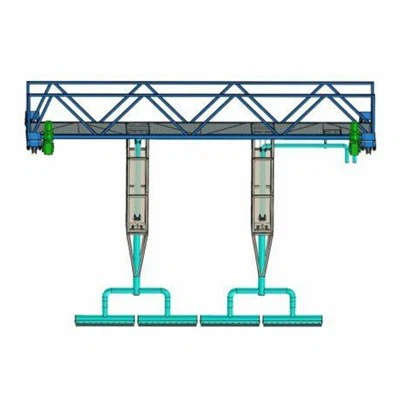
In the paper and pulp industry, the wear rate of the screw in a screw digester is not an isolated issue. It's related to other equipment in the production line. For example, the White Water Treatment System helps in recycling the water used in the pulping process. If the white water is not properly treated, it can contain abrasive particles that may increase the wear rate of the screw in the digester.
Another related piece of equipment is the Screw Separator. It is used to separate the pulp from the liquid. If the screw separator is not working efficiently, it can cause problems in the overall pulping process, which may indirectly affect the wear rate of the screw in the digester.


As a supplier, we understand the importance of minimizing the wear rate of the screw in our Screw Digesters. We offer high - quality screws made from the best materials and provide detailed maintenance guidelines to our customers. We also have a team of experts who can help you optimize the operating conditions of your digester to reduce wear.
If you're in the market for a Screw Digester or have any questions about the wear rate of the screw, we'd love to hear from you. Whether you're a small - scale paper mill or a large - scale pulp producer, we can provide you with the right solutions. Don't hesitate to reach out to us for more information and to start a discussion about your specific needs.
In conclusion, the wear rate of the screw in a screw digester is a complex issue influenced by multiple factors. By understanding these factors and taking appropriate measures, we can reduce the wear rate and extend the lifespan of the equipment. This not only saves costs but also improves the efficiency of the paper and pulp production process.
References
- "Paper and Pulp Manufacturing Handbook"
- Industry reports on paper and pulp equipment performance