Hey there! As a supplier of Paper Tearing Machines, I often get asked about the paper cutting uniformity of these machines. So, I thought I'd take a moment to break it down for you and explain why it's such a crucial factor in the paper - processing industry.
First off, let's talk about what paper cutting uniformity actually means. When we say a paper tearing machine has good cutting uniformity, we're referring to how consistently it cuts the paper into pieces of the same size and shape. In an ideal world, every single piece of paper that comes out of the machine should be identical in terms of length, width, and overall dimensions.
Why is this so important? Well, in the paper - pulp industry, uniformity matters big time. For starters, it affects the quality of the end - product. If you're using the torn paper for recycling purposes, uniform pieces are much easier to process. They mix more evenly in the pulping process, which leads to a more consistent pulp quality. This, in turn, results in better - quality paper products being made from that pulp.
Let's say you're making high - end stationery. You want the paper to have a smooth texture and a consistent appearance. If the paper pieces going into the pulping process are all over the place in terms of size, you'll end up with an uneven pulp, and your final stationery might have visible flaws or an inconsistent feel.
Another reason why paper cutting uniformity is crucial is efficiency. A machine that can cut paper uniformly is likely to be more efficient. When the pieces are the same size, they flow through the subsequent processing steps more smoothly. There's less chance of jams or blockages in the conveyor belts or other equipment downstream.
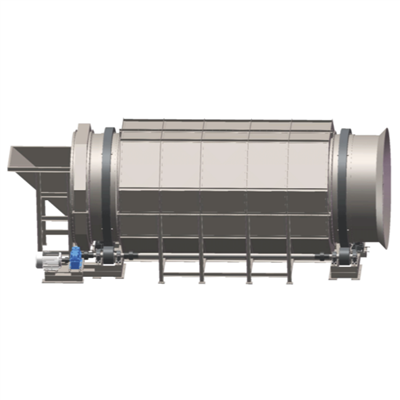
Now, let's dig a bit deeper into how a Paper Tearing Machine achieves good cutting uniformity. One of the key factors is the design of the cutting mechanism. Our Paper Tearing Machine uses state - of - the - art blades and a precision - engineered cutting system. The blades are made from high - quality materials that are sharp and durable. They're designed to cut through the paper cleanly and evenly, every single time.
The machine also has advanced sensors and control systems. These sensors monitor the cutting process in real - time and can make adjustments on the fly. For example, if they detect that one piece of paper is being cut slightly larger or smaller than the others, the control system can adjust the blade pressure or speed to correct the issue.
But it's not just about the machine itself. Proper maintenance also plays a huge role in maintaining cutting uniformity. We always recommend regular blade sharpening and replacement. Over time, the blades can wear down, which can lead to uneven cuts. By keeping the blades in top condition, you can ensure that your machine continues to cut paper uniformly for years to come.
When it comes to the overall paper - processing line, the Paper Tearing Machine doesn't work in isolation. It's often part of a larger system that includes other equipment like the Shaftless Screw Conveyor and the Chip Washer. These machines need to work in harmony to ensure the best results.
The Shaftless Screw Conveyor is responsible for transporting the torn paper pieces from the tearing machine to the next stage of the process. If the paper pieces are uniform, they'll move through the conveyor more easily. The conveyor can be set up to handle a specific size and shape of paper pieces, and uniformity helps it operate at its peak efficiency.
The Chip Washer, on the other hand, cleans the paper pieces before they go into the pulping process. Uniform paper pieces are easier to clean thoroughly. They can be evenly submerged in the washing solution, and there's less chance of debris getting trapped in oddly - shaped pieces.
So, how do you know if a Paper Tearing Machine is delivering good cutting uniformity? Well, there are a few ways to test it. One simple method is to take a sample of the torn paper pieces and measure them. You can use a ruler or a caliper to check the length, width, and thickness of the pieces. Compare the measurements of several pieces. If the variations are within an acceptable range, then the machine is doing a good job.
You can also look at the overall appearance of the torn paper. If the edges are clean and straight, and the pieces look similar to each other, that's a good sign. A machine that produces ragged or unevenly cut pieces is likely to have issues with cutting uniformity.
In conclusion, paper cutting uniformity is a critical aspect of a Paper Tearing Machine. It affects the quality of the end - product, the efficiency of the processing line, and the overall success of your paper - related business. As a supplier, we're committed to providing machines that offer the highest level of cutting uniformity.
If you're in the market for a Paper Tearing Machine or want to improve the performance of your existing equipment, we'd love to have a chat with you. We can offer you expert advice on choosing the right machine for your needs and provide support for installation, maintenance, and troubleshooting. Contact us today to start the conversation and take your paper - processing operations to the next level.
References:


- Industry standards for paper - pulp processing
- Internal research and development reports on Paper Tearing Machine design and performance