Hey there! As a screw separator supplier, I often get asked about the maintenance cost of a screw separator. It's a valid question, considering that maintenance is a crucial aspect of keeping any equipment in top - notch condition. So, let's dive right into it and break down what goes into the maintenance cost of a screw separator.
Understanding the Screw Separator
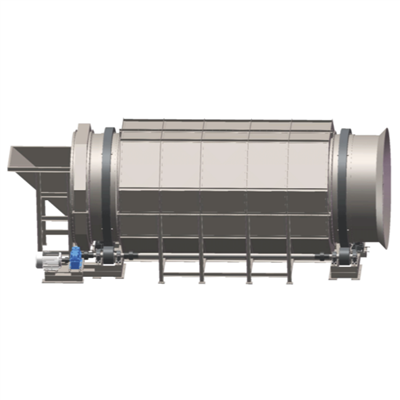
First things first, let's quickly go over what a screw separator is. It's a piece of equipment used in various industries, especially in the pulp and paper industry. It separates solids from liquids by using a rotating screw mechanism. The screw moves the solids along the separator, while the liquid drains out through screens or perforations.
Factors Affecting Maintenance Cost
1. Wear and Tear of Components
The screw itself is one of the most critical components. Over time, the screw can wear down due to the constant friction with the materials it's processing. The type of material being separated plays a huge role here. If you're dealing with abrasive materials, the screw will wear out faster. Replacing a worn - out screw can be quite expensive, as it needs to be precisely manufactured to fit the separator.
The bearings that support the screw also experience wear. These bearings need to be lubricated regularly, and eventually, they'll need to be replaced. The cost of bearings can vary depending on their size and quality.
Another part that can wear out is the screen or perforated plate through which the liquid drains. If the screen gets clogged or damaged, it can affect the separator's efficiency. Replacing the screen is a necessary maintenance task that adds to the overall cost.


2. Energy Consumption
The screw separator requires energy to operate. The motor that drives the screw uses electricity, and over time, the energy cost can be a significant part of the maintenance cost. Older models of screw separators may be less energy - efficient, leading to higher electricity bills. Upgrading to a more energy - efficient motor can be an option, but it comes with an upfront cost.
3. Cleaning and Sanitization
In industries like food processing or the pulp and paper industry, regular cleaning and sanitization are essential. Residues can build up inside the separator, which can affect its performance and even contaminate the products being processed. Cleaning may involve disassembling parts of the separator, which takes time and labor. Specialized cleaning agents may also be required, adding to the cost.
4. Labor Costs
Maintenance tasks often require skilled labor. Whether it's replacing a worn - out component, lubricating bearings, or cleaning the separator, you'll need technicians who know what they're doing. Labor costs can vary depending on the region and the level of expertise required.
Estimating the Maintenance Cost
It's difficult to give an exact figure for the maintenance cost of a screw separator, as it depends on so many factors. However, I can give you a rough idea.
For a small - scale screw separator used in a local business, the annual maintenance cost could range from a few hundred dollars to a couple of thousand dollars. This would cover basic tasks like lubrication, minor part replacements, and cleaning.
For larger, industrial - grade screw separators, the cost can be significantly higher. Annual maintenance costs could run into tens of thousands of dollars, especially if major components like the screw or motor need to be replaced.
Ways to Reduce Maintenance Cost
1. Regular Inspections
Performing regular inspections can catch small problems before they turn into big, expensive issues. By checking the condition of the screw, bearings, and screens on a regular basis, you can identify parts that are starting to wear out and replace them before they cause a breakdown.
2. Proper Training
Make sure your operators are properly trained to use the screw separator. Incorrect operation can lead to increased wear and tear on the equipment. Training can also help operators identify early signs of problems.
3. Upgrading to Energy - Efficient Models
As I mentioned earlier, energy - efficient motors can save you money in the long run. While the upfront cost of upgrading may be high, the savings on electricity bills over time can offset the initial investment.
Related Equipment
If you're in the pulp and paper industry, you might also be interested in other equipment like the Screw Digester. It's used in the pulping process and can work in conjunction with the screw separator. Another useful piece of equipment is the Belt Conveyor Pulp and Paper, which can transport the separated materials. And if you need to screen materials further, the Swing Screen is a great option.
Conclusion
So, as you can see, the maintenance cost of a screw separator is influenced by several factors, including wear and tear of components, energy consumption, cleaning, and labor costs. While it can be a significant expense, there are ways to reduce it through regular inspections, proper training, and upgrading to more efficient models.
If you're considering purchasing a screw separator or need more information about its maintenance, don't hesitate to reach out. We're here to help you make the best decision for your business. Whether you're a small - scale operation or a large industrial facility, we can provide the right screw separator and support to keep it running smoothly.
References
- Industry reports on pulp and paper equipment maintenance
- Manufacturer's manuals for screw separators