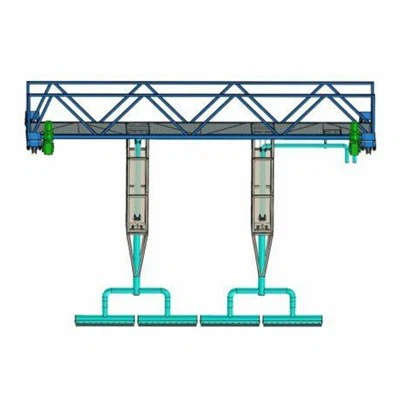
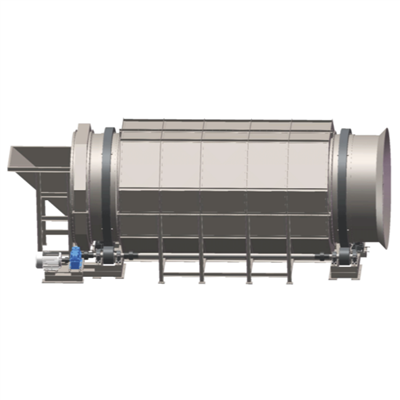
Mechanical bar screens are essential components in wastewater treatment plants, playing a crucial role in the initial stage of the treatment process. They are designed to remove large solids and debris from the influent wastewater, protecting downstream equipment and ensuring the efficiency of subsequent treatment steps. However, like any mechanical equipment, mechanical bar screens are prone to several common problems that can affect their performance and longevity. As a leading supplier of mechanical bar screens, I will discuss these issues and propose effective solutions.
Common Problems with Mechanical Bar Screens
1. Clogging
One of the most prevalent problems with mechanical bar screens is clogging. This occurs when large amounts of debris, such as branches, rags, plastics, and other solid materials, accumulate between the bars of the screen. Clogging can significantly reduce the flow rate of wastewater through the screen, leading to increased headloss and potential flooding in the treatment plant. In severe cases, it can even cause damage to the screen structure or the drive mechanism.
The main causes of clogging include improper screen design, insufficient bar spacing, high concentrations of solids in the influent wastewater, and the presence of long - fibrous materials. For example, if the bar spacing is too narrow, it will trap more debris but also increase the likelihood of clogging. Additionally, seasonal variations in wastewater characteristics, such as an influx of leaves during the fall, can exacerbate the problem.
2. Mechanical Failures
Mechanical failures can occur in various parts of the bar screen system. The drive mechanism, which is responsible for moving the screen bars or the rake, is particularly vulnerable. Over time, the motors, gears, chains, and bearings can wear out due to continuous operation, lack of proper lubrication, or exposure to harsh environmental conditions. A failed drive mechanism can result in the screen coming to a halt, preventing the removal of debris and disrupting the wastewater treatment process.
Another common mechanical issue is the misalignment of the screen bars or the rake. Misalignment can cause uneven wear on the components, reduce the efficiency of debris removal, and may even lead to jamming of the equipment. This can be caused by improper installation, vibration during operation, or damage from large objects hitting the screen.
3. Corrosion
Since mechanical bar screens are constantly in contact with wastewater, they are highly susceptible to corrosion. The chemicals and contaminants present in the wastewater, such as acids, alkalis, and salts, can react with the metal components of the screen, causing them to deteriorate over time. Corrosion can weaken the structural integrity of the screen, leading to the formation of holes, cracks, or even complete failure of the bars.
The type of corrosion can vary depending on the material of the screen and the characteristics of the wastewater. For instance, stainless steel screens may be more resistant to general corrosion but can still be affected by pitting corrosion in the presence of chloride ions. Galvanized steel screens, on the other hand, may experience accelerated corrosion if the protective zinc coating is damaged.
4. Inadequate Debris Removal
In some cases, the bar screen may not effectively remove all the debris from the wastewater. This can be due to several factors, such as the design of the rake or the movement pattern of the screen. If the rake is not designed to reach all areas between the bars, some debris may remain trapped, reducing the overall efficiency of the screen. Additionally, if the movement of the screen is too slow or too fast, it may not be able to capture the debris properly.
Solutions to Common Problems
1. Preventing Clogging
To prevent clogging, proper screen selection is crucial. We, as a supplier, offer a variety of bar screen designs with different bar spacings to suit various wastewater characteristics. For wastewater with high concentrations of large solids, a wider bar spacing may be more appropriate to allow for better flow and reduce the risk of clogging. For applications where finer solids need to be removed, a finer bar spacing can be selected, but additional measures should be taken to prevent clogging.
Regular maintenance and cleaning are also essential. Automated cleaning systems, such as self - cleaning rakes, can be installed to continuously remove debris from the screen. These rakes can be programmed to operate at regular intervals or based on the level of headloss across the screen. Manual cleaning may also be required periodically to remove stubborn debris that cannot be dislodged by the automated system.
2. Addressing Mechanical Failures
To avoid mechanical failures, a comprehensive maintenance program should be implemented. This includes regular inspection of the drive mechanism, lubrication of moving parts, and replacement of worn - out components. Our company provides detailed maintenance manuals and training to our customers to ensure that their bar screen systems are properly maintained.
During the installation process, it is important to ensure that the screen is correctly aligned and leveled. We have a team of experienced technicians who can provide professional installation services to minimize the risk of misalignment. In addition, vibration dampening devices can be installed to reduce the impact of vibration on the equipment and prevent premature wear.
3. Combating Corrosion
Selecting the right material for the bar screen is key to combating corrosion. We offer bar screens made from high - quality stainless steel, which has excellent corrosion resistance properties. For more aggressive wastewater environments, special coatings or linings can be applied to further enhance the corrosion resistance of the screen.
Regular inspection of the screen for signs of corrosion is also necessary. If corrosion is detected, appropriate measures should be taken immediately, such as cleaning and treating the affected areas or replacing the corroded parts.
4. Improving Debris Removal Efficiency
To improve the efficiency of debris removal, we can customize the design of the rake and the movement pattern of the screen. For example, a rake with a more aggressive shape can be used to better capture and remove debris. The movement speed and stroke of the screen can also be adjusted based on the specific requirements of the wastewater treatment plant.
Related Equipment for Wastewater Treatment
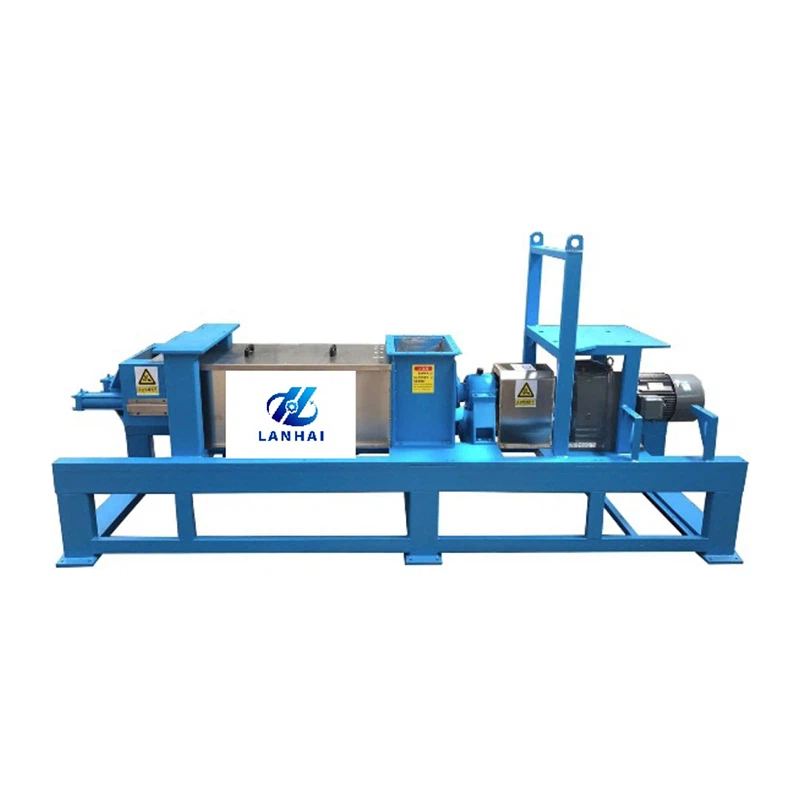
In addition to mechanical bar screens, there are other important equipment in wastewater treatment plants. For example, the Wastewater Treatment Screw Press is used for dewatering sludge, reducing its volume and making it easier to handle and dispose of. The Dissolved Air Flotation Equipment is effective in removing suspended solids, oils, and fats from the wastewater by attaching air bubbles to the particles and floating them to the surface. The IC Anaerobic Reactor is a high - efficiency anaerobic treatment device that can decompose organic matter in the wastewater and produce biogas.

Conclusion
Mechanical bar screens are an important part of wastewater treatment plants, but they face several common problems such as clogging, mechanical failures, corrosion, and inadequate debris removal. As a reliable supplier, we are committed to providing high - quality bar screen products and comprehensive solutions to these problems. Our team of experts can help you select the most suitable bar screen for your specific needs, provide professional installation and maintenance services, and offer customized solutions to improve the performance of your wastewater treatment system.
If you are interested in our mechanical bar screens or other wastewater treatment equipment, please feel free to contact us for more information and to discuss your procurement needs. We look forward to working with you to achieve efficient and sustainable wastewater treatment.
References
- Metcalf & Eddy. (2014). Wastewater Engineering: Treatment and Reuse. McGraw - Hill Education.
- Tchobanoglous, G., Burton, F. L., & Stensel, H. D. (2003). Wastewater Engineering: Treatment, Disposal, and Reuse. Pearson Education.