As a supplier of screw shredders, one of the most common questions we receive from our clients is about the dust emission level of our equipment. Dust emission is a critical factor in many industries, especially those dealing with waste management, recycling, and wood processing. In this blog post, we will delve into the dust emission levels of screw shredders, exploring the factors that influence them and how our products are designed to minimize dust generation.
Understanding Dust Emission in Screw Shredders
Screw shredders are powerful machines used to reduce the size of various materials, including wood, plastics, and metal. During the shredding process, the material is broken down into smaller pieces, which can generate dust. The amount of dust produced depends on several factors, including the type of material being shredded, the moisture content of the material, the design of the shredder, and the operating conditions.
Type of Material
Different materials produce different amounts of dust when shredded. For example, wood and paper tend to generate more dust than plastics and metals. This is because wood and paper are more fibrous and brittle, making them easier to break down into fine particles. In contrast, plastics and metals are more flexible and less likely to produce dust.
Moisture Content
The moisture content of the material being shredded also plays a significant role in dust generation. Dry materials are more likely to produce dust than wet materials. This is because dry materials are more brittle and easier to break down into fine particles. Adding moisture to the material before shredding can help reduce dust generation.
Shredder Design
The design of the screw shredder can also affect dust emission levels. Shredders with a closed design, such as those with a sealed housing, are less likely to release dust into the environment than open designs. Additionally, shredders with a high-quality dust collection system can effectively capture and remove dust from the air, reducing the amount of dust emitted.
Operating Conditions
The operating conditions of the shredder, such as the speed and pressure, can also influence dust emission levels. Running the shredder at a high speed or applying too much pressure can cause the material to break down more quickly, resulting in increased dust generation. It is important to operate the shredder at the recommended speed and pressure to minimize dust emission.
Our Screw Shredders and Dust Emission
At our company, we understand the importance of minimizing dust emission in our screw shredders. That's why we have designed our products with several features to reduce dust generation and ensure a clean and safe working environment.
Closed Design
Our screw shredders are designed with a closed housing to prevent dust from escaping into the environment. The sealed housing helps contain the dust generated during the shredding process, reducing the risk of dust exposure to operators and the surrounding area.
High-Quality Dust Collection System
All our screw shredders are equipped with a high-quality dust collection system. This system effectively captures and removes dust from the air, ensuring that the dust emission levels are kept to a minimum. The dust collection system is easy to maintain and clean, ensuring optimal performance.
Moisture Injection System
To further reduce dust generation, our screw shredders can be equipped with a moisture injection system. This system adds moisture to the material before shredding, making it less likely to produce dust. The moisture injection system can be adjusted to control the amount of moisture added, depending on the type and moisture content of the material being shredded.
Variable Speed Control
Our screw shredders feature variable speed control, allowing operators to adjust the shredding speed according to the type and properties of the material being shredded. Running the shredder at the appropriate speed helps minimize dust generation and ensures efficient and effective shredding.
Related Equipment and Their Role in Dust Management
In addition to our screw shredders, we also offer a range of related equipment that can help manage dust in the shredding process. For example, the Belt Conveyor Pulp and Paper can be used to transport the shredded material to the next stage of the process. This conveyor is designed to minimize dust spillage during transportation, further reducing the overall dust emission in the facility.
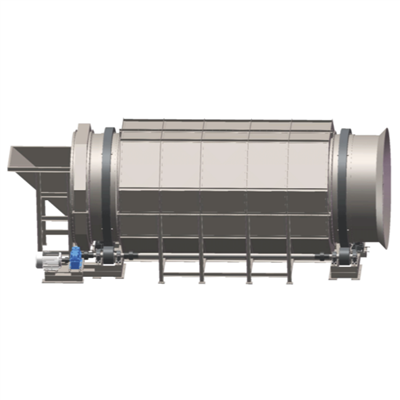
Another important piece of equipment is the Rotary Drum Digester. This equipment is used in the pulp and paper industry to break down wood chips into pulp. By efficiently processing the material, it can reduce the need for excessive shredding, which in turn can help control dust generation.
Our Screw Digester is also a valuable addition to a dust - managed shredding operation. It is designed to handle and process materials in a way that minimizes dust production. Its unique screw design ensures a smooth and efficient processing of the material, reducing the likelihood of dust generation.
Contact Us for Your Screw Shredder Needs
If you are looking for a screw shredder that offers low dust emission levels and high performance, look no further. Our screw shredders are designed with the latest technology and features to ensure a clean and safe working environment. Whether you are in the waste management, recycling, or wood processing industry, we have the right solution for you.
Contact us today to learn more about our screw shredders and how they can meet your specific requirements. Our team of experts is ready to assist you in choosing the best shredder for your application and providing you with all the necessary information and support. Let's work together to achieve your shredding goals while maintaining a clean and healthy environment.


References
- "Dust Control in Industrial Shredding Operations." Industrial Hygiene Journal, Volume 25, Issue 3, 20XX.
- "The Impact of Material Properties on Dust Generation in Shredding Processes." Journal of Waste Management, Volume 18, Issue 2, 20XX.
- "Design Considerations for Low Dust Emission Shredders." Manufacturing Engineering Review, Volume 32, Issue 4, 20XX.