When it comes to selecting the appropriate screw material for a screw press dehydrator, several crucial factors must be taken into account. As a seasoned supplier of screw press dehydrators, I've witnessed firsthand how the right choice of screw material can significantly impact the performance, durability, and overall efficiency of the equipment. In this blog post, I'll share insights on how to make an informed decision about screw materials for your screw press dehydrator.
Understanding the Function of a Screw Press Dehydrator
Before delving into screw materials, it's essential to understand the basic operation of a screw press dehydrator. This equipment is designed to separate liquids from solids through mechanical means. The screw rotates within a cylindrical screen, gradually compressing the material and forcing the liquid out through the screen openings. As the screw moves the material along the press, the pressure increases, squeezing out more liquid and leaving behind a drier solid residue.
Key Factors in Choosing Screw Material
1. Chemical Resistance
One of the primary considerations when selecting a screw material is its resistance to the chemicals present in the material being processed. Different industries deal with various types of wastewater, sludge, or other feedstocks that may contain corrosive substances. For example, in the food and beverage industry, acidic or alkaline solutions are common, while the chemical industry may handle highly reactive chemicals.
Stainless steel is a popular choice for its excellent corrosion resistance. Grades such as 304 and 316 stainless steel are widely used in screw press dehydrators. 304 stainless steel offers good general corrosion resistance and is suitable for many applications. However, in more aggressive environments, 316 stainless steel, which contains molybdenum, provides enhanced resistance to pitting and crevice corrosion.
2. Wear Resistance
The screw in a screw press dehydrator is subject to significant wear due to the constant contact with the material being processed. Hard particles in the feedstock can cause abrasion on the screw surface, leading to premature wear and reduced efficiency. Therefore, wear resistance is a critical factor in determining the longevity of the screw.
Alloy steels can be a suitable option for applications where high wear resistance is required. These steels are often heat-treated to increase their hardness and toughness. Additionally, some manufacturers apply surface treatments such as hard chrome plating or ceramic coating to further enhance the wear resistance of the screw.
3. Strength and Toughness
The screw must be able to withstand the high pressures generated during the dehydration process without deforming or breaking. Strength and toughness are essential properties to ensure the structural integrity of the screw.
Carbon steels are known for their high strength and can be used in screw press dehydrators when the application does not require high corrosion resistance. However, carbon steels are more prone to corrosion compared to stainless steels. Therefore, proper surface protection or coating is necessary to prevent rusting.
4. Cost
Cost is always a consideration in any equipment purchase. The choice of screw material can have a significant impact on the overall cost of the screw press dehydrator. While high-performance materials such as stainless steel or alloy steels may offer superior properties, they also come with a higher price tag.
It's important to balance the performance requirements with the budget constraints. In some cases, a more cost-effective material may be sufficient for the application, especially if the operating conditions are not too harsh.
Specific Applications and Recommended Screw Materials
1. Municipal Wastewater Treatment
In municipal wastewater treatment plants, screw press dehydrators are commonly used to dewater sludge. The sludge may contain a variety of contaminants, including organic matter, heavy metals, and bacteria.
Stainless steel is the preferred material for screws in municipal wastewater treatment applications. 316 stainless steel is often chosen for its excellent corrosion resistance to the chemicals and substances present in the sludge. It can withstand the acidic or alkaline conditions and prevent corrosion, ensuring a long service life for the screw.
2. Food and Beverage Industry
The food and beverage industry requires equipment that meets strict hygiene standards. Screw press dehydrators in this industry are used to separate solids from liquids in various processes, such as fruit and vegetable processing, brewing, and dairy production.
Stainless steel is also the material of choice for screws in the food and beverage industry. It is easy to clean and sanitize, preventing the growth of bacteria and ensuring the safety of the final product. 304 stainless steel is commonly used for general food processing applications, while 316 stainless steel may be required for more corrosive environments, such as those involving acidic juices or brines.
3. Chemical Industry
The chemical industry deals with a wide range of chemicals, some of which can be highly corrosive and reactive. Screw press dehydrators in this industry must be able to withstand the harsh chemical environment.
Depending on the specific chemicals being processed, specialized materials may be required. For example, in applications involving strong acids, materials such as Hastelloy or titanium may be used. These materials offer excellent corrosion resistance to acids and other aggressive chemicals but are more expensive than stainless steel.
Complementary Equipment and Their Role
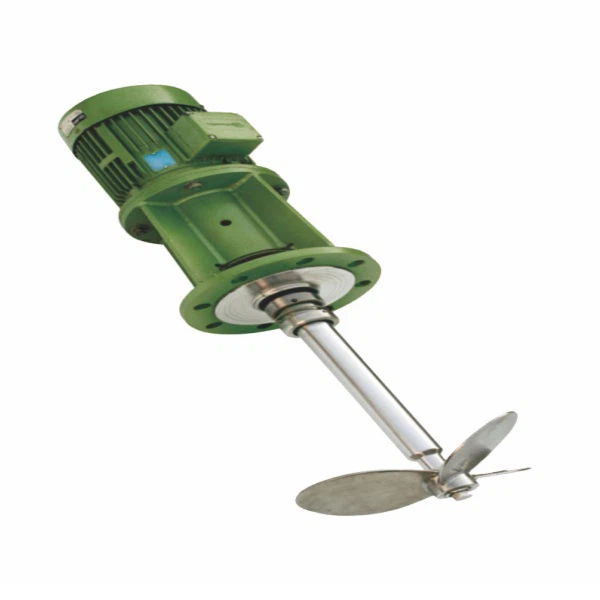
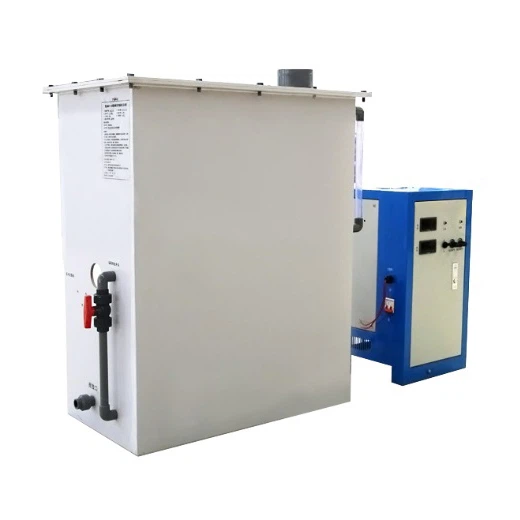
In addition to the screw press dehydrator, other equipment can play a crucial role in the overall wastewater treatment process. For example, a Flocculant Mixer is used to mix flocculants with the feedstock, helping to agglomerate the solid particles and improve the dewatering efficiency of the screw press dehydrator. A Sodium Hypochlorite Generator can be used to disinfect the treated water, ensuring that it meets the required quality standards. And a Submersible Tank Mixer can be used to mix the contents of a tank, preventing sedimentation and ensuring uniform distribution of chemicals.
Making the Right Choice
When choosing the right screw material for your screw press dehydrator, it's important to consult with an experienced supplier. A reputable supplier can assess your specific application requirements, including the type of material being processed, the operating conditions, and your budget. They can provide expert advice on the most suitable screw material and help you select the right equipment for your needs.
In conclusion, selecting the appropriate screw material is crucial for the performance and longevity of a screw press dehydrator. By considering factors such as chemical resistance, wear resistance, strength, toughness, and cost, you can make an informed decision that meets your specific requirements. If you're in the market for a screw press dehydrator or need advice on screw materials, don't hesitate to contact us. Our team of experts is ready to assist you in finding the best solution for your wastewater treatment needs.
References
- ASM Handbook Volume 13A: Corrosion: Fundamentals, Testing, and Protection. ASM International.
- Metals Handbook Desk Edition, 3rd Edition. ASM International.
- Perry's Chemical Engineers' Handbook, 8th Edition. McGraw-Hill Education.