Hey there! As a supplier of paper pulp equipment, I often get asked about the noise levels of the machines we offer. It's a crucial factor, especially for those looking to set up a pulp and paper mill. In this blog, I'll share some insights into the noise levels of different paper pulp equipment and how it can impact your operations.
First off, let's understand why noise levels matter. In a paper pulp mill, high noise levels can lead to several issues. For one, it can be a major health hazard for the workers. Prolonged exposure to loud noises can cause hearing loss, stress, and other health problems. Additionally, excessive noise can also be a nuisance in the surrounding community, potentially leading to complaints and regulatory issues. So, it's essential to choose equipment with reasonable noise levels.
Now, let's take a look at some of the common paper pulp equipment and their typical noise levels.
Shaftless Screw Conveyor
A Shaftless Screw Conveyor is a popular piece of equipment in the paper pulp industry. It's used to transport pulp and other materials from one place to another. The noise level of a shaftless screw conveyor can vary depending on several factors, such as the size of the conveyor, the speed at which it operates, and the type of material being transported.
On average, a shaftless screw conveyor can produce noise levels in the range of 70 - 85 decibels (dB). This is similar to the noise level of a vacuum cleaner or a busy street. While this may not seem too loud, it can still be a concern if workers are exposed to it for long periods. To reduce the noise level of a shaftless screw conveyor, you can consider using sound - absorbing materials around the conveyor, or choosing a conveyor with a slower operating speed.
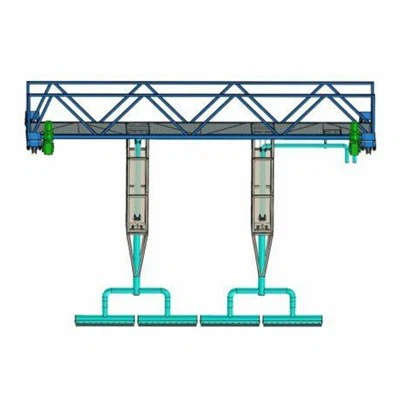
White Water Treatment System
The White Water Treatment System is another important part of a paper pulp mill. It's responsible for treating the white water, which is the water that is used in the papermaking process. The noise level of a white water treatment system can be influenced by the pumps, filters, and other components in the system.
Pumps are usually the main source of noise in a white water treatment system. Depending on the size and power of the pumps, the noise level can range from 75 - 90 dB. This is comparable to the noise level of a lawnmower. To minimize the noise from the pumps, you can install them on vibration - isolating mounts and use sound - proof enclosures.
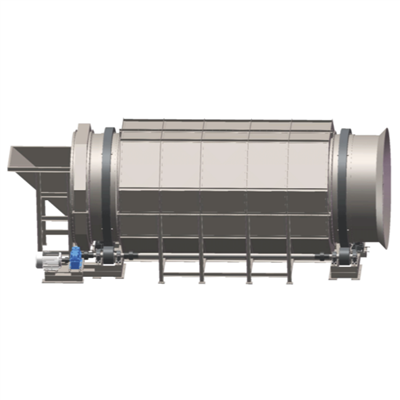
Pressure Screen in Paper Industry
The Pressure Screen in Paper Industry is used to remove impurities from the pulp. It works by forcing the pulp through a screen under pressure. The noise level of a pressure screen can vary based on the design, size, and operating pressure of the screen.


Typically, a pressure screen can generate noise levels between 80 - 95 dB. This is louder than a hair dryer. To reduce the noise from a pressure screen, you can use a screen with a more efficient design that reduces the turbulence and vibration, and also add sound - dampening materials to the screen housing.
How to Measure Noise Levels
If you're in the process of setting up a paper pulp mill or upgrading your existing equipment, it's a good idea to measure the noise levels of the equipment. You can use a sound level meter to measure the noise. A sound level meter is a device that measures the intensity of sound in decibels.
When measuring the noise level of paper pulp equipment, it's important to take multiple measurements at different locations around the equipment. This will give you a more accurate picture of the overall noise level. You should also measure the noise level during normal operating conditions to get a real - world estimate.
Regulations and Standards
There are various regulations and standards regarding noise levels in the workplace. In many countries, the Occupational Safety and Health Administration (OSHA) or similar organizations have set limits on the amount of noise that workers can be exposed to. For example, in the United States, OSHA has set a permissible exposure limit (PEL) of 90 dB for an 8 - hour workday.
As a paper pulp equipment supplier, we make sure that our equipment meets or exceeds these standards. We also provide our customers with information on how to further reduce the noise levels of the equipment to ensure a safe and comfortable working environment.
The Impact of Noise on Productivity
Apart from the health and regulatory aspects, high noise levels can also have an impact on productivity. When workers are exposed to loud noises, it can be difficult for them to concentrate on their tasks. This can lead to mistakes, lower efficiency, and even accidents.
By choosing paper pulp equipment with lower noise levels, you can create a more pleasant working environment for your employees. This can result in higher productivity, fewer sick days, and a better overall work atmosphere.
Our Solutions for Noise Reduction
At our company, we understand the importance of noise reduction in the paper pulp industry. That's why we offer a range of equipment that is designed to operate with lower noise levels. We use advanced technologies and materials to minimize the noise generated by our equipment.
For example, our shaftless screw conveyors are designed with smooth - running components that reduce vibration and noise. Our white water treatment systems are equipped with pumps that are engineered for quiet operation. And our pressure screens are built with noise - reducing features such as optimized flow paths and vibration - dampening structures.
Conclusion
In conclusion, the noise levels of paper pulp equipment can vary depending on the type of equipment and its operating conditions. It's crucial to be aware of these noise levels and take steps to reduce them to protect the health of your workers and comply with regulations.
If you're in the market for paper pulp equipment and are concerned about noise levels, we're here to help. We have a wide range of equipment that offers a balance between performance and low noise. Whether you need a shaftless screw conveyor, a white water treatment system, or a pressure screen, we can provide you with the right solution.
If you're interested in learning more about our products or have any questions regarding noise levels of paper pulp equipment, feel free to reach out to us. We'd be more than happy to have a chat with you and discuss your specific requirements. Let's work together to create a more efficient and quieter paper pulp operation.
References
- Occupational Safety and Health Administration (OSHA). Noise standards.
- Technical manuals of various paper pulp equipment manufacturers.