Hey there, folks! I'm a supplier of Screw Separators, and today I'm gonna walk you through the process of installing a screw separator. Whether you're a newbie or just looking for a refresher, this guide'll help you get the job done right.
Preparation Before Installation
First things first, proper preparation is key to a smooth - running installation. You need to have a clear understanding of the space where the screw separator will be placed. Measure the area carefully. Make sure there's enough room for the unit itself and also for any future maintenance work. You'll want to have a flat, sturdy surface to place the separator on. If it's not level, it can cause all sorts of problems down the line.
Gather all the necessary tools. You're gonna need a wrench set, a screwdriver set (both flat - head and Phillips), and possibly a drill if you need to make any holes for mounting. And don't forget safety equipment like gloves and goggles. Safety always comes first!
Check all the parts of the screw separator when you receive it. Make sure nothing's damaged during shipping. Look for any signs of dents, cracks, or loose components. If you find anything wrong, contact us right away. We're here to make sure you get a top - notch product.
Unpacking and Inspection
Once you've got everything ready, it's time to unpack the screw separator. Be careful when you're taking it out of the packaging. Some parts might be fragile. Lay out all the parts on a clean surface so you can see what you've got.
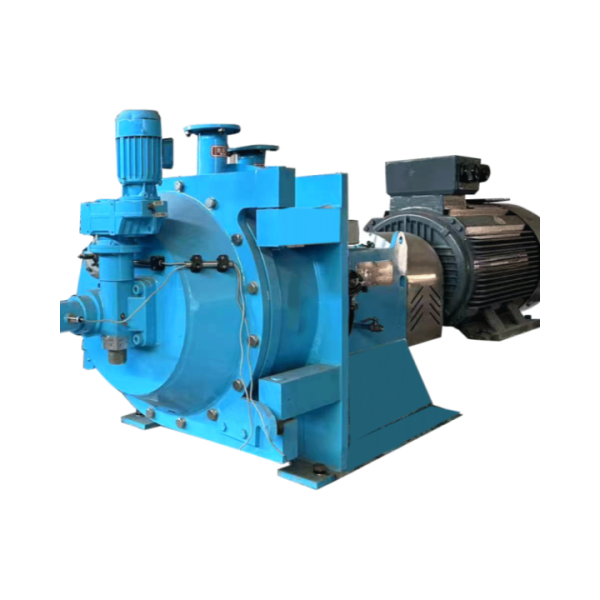
Inspect each part closely. Check the screw for any bends or nicks. The housing should be free of any cracks or holes. The motor, which is a crucial part, should be in good working order. If you're not sure about something, don't hesitate to give us a shout. We can provide some detailed guidance over the phone.
Positioning the Screw Separator
Now, let's talk about positioning. Decide on the best location for your separator. Consider the flow of the material you'll be separating. You want it to be close to the source of the material for easy feeding. Also, think about the discharge point. It should have enough space to allow the separated materials to flow out freely.
Use a level to make sure the separator is perfectly horizontal. If it's tilted, it can affect the separation efficiency. You might need to adjust the feet of the separator to get it level. Once it's in the right position, mark the spots where you'll be mounting it.
Mounting the Screw Separator
After positioning, it's time to mount the separator. If you're mounting it on the floor, use the appropriate bolts and nuts. Make sure they're tightened properly, but don't over - tighten them. Over - tightening can damage the housing or strip the threads.
For wall - mounting, you'll need to use sturdy brackets. Drill holes in the wall at the marked spots and insert wall plugs. Then attach the brackets and secure the separator to them. Again, check the level to ensure it's still in the correct position.
Connecting the Motor
The motor is what makes the screw separator work. Connect the motor to the screw according to the manufacturer's instructions. Usually, there'll be some coupling or belt system. Make sure it's properly aligned and tightened.
Next, connect the power supply. Before you do this, make sure the power is off. Use the correct gauge of wire and follow all the electrical safety rules. If you're not confident with electrical work, it's best to hire a professional electrician.
Piping and Feeding System
Now, you need to set up the piping and feeding system. Connect the inlet pipe to the separator. The pipe should be the right size and material for the type of material you're separating. Make sure there are no kinks or blockages in the pipe.
The feeding system should be able to deliver the material at a consistent rate. You might need to adjust the speed of the feeder depending on the capacity of the separator.
Testing the Screw Separator
Once everything's installed, it's time for a test run. But before you start, double - check all the connections. Make sure all the bolts are tightened, the motor is properly connected, and the piping is secure.
Turn on the power and start the motor. Listen for any unusual noises. If you hear grinding or rattling, it could mean there's a problem with the alignment or a loose part. Check the separator while it's running to make sure the screw is turning smoothly and the material is being separated as expected.
Optional Upgrades and Add - ons
If you want to improve the performance of your screw separator, you can consider some optional upgrades. For example, you might want to add a Pulp Black Liquor processing system for specific applications. A Low Consistency Refiner can also enhance the separation efficiency in some cases. And if you need to handle corrosive materials, a Stainless Steel Reaction Vessel can be a great addition.
Maintenance Tips
To keep your screw separator in good condition, regular maintenance is a must. Clean the separator after each use to prevent the build - up of material. Check the motor and its components regularly for any signs of wear and tear. Lubricate the moving parts as recommended by the manufacturer.
If you encounter any problems during the operation or maintenance, don't worry. We're here to support you. Our team of experts can provide advice and solutions to keep your separator running smoothly.
Why Choose Our Screw Separators?
Our screw separators are made from high - quality materials, ensuring durability and long - term performance. We've got a wide range of models to suit different needs and budgets. Whether you're a small - scale operation or a large industrial plant, we've got the right separator for you.
We also offer excellent customer service. If you have any questions during the installation process or need help with maintenance, just reach out to us. We're dedicated to making sure you're satisfied with your purchase.

Contact Us for Purchase and Negotiation
If you're interested in our screw separators or need more information about installation and usage, why not get in touch with us? We'd love to have a chat with you about your specific requirements. We can help you choose the best model for your application and discuss the terms of purchase.
So, don't hesitate. Drop us a message, and let's start a conversation to see how we can work together to meet your needs.
References
- General industrial equipment installation guidelines
- Manufacturer's manual for screw separators