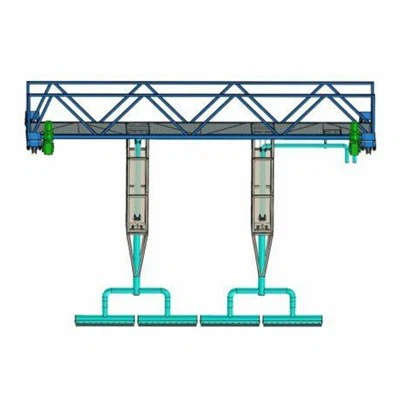
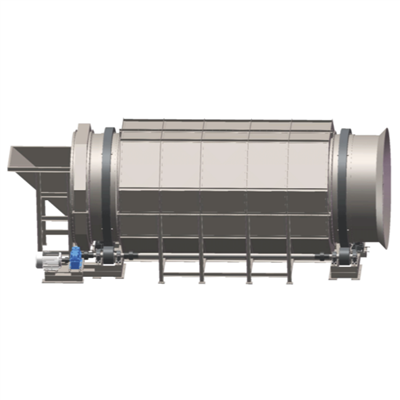
As a supplier of mechanical bar screens, I've witnessed firsthand the importance of these devices in wastewater treatment processes. One of the key challenges in operating mechanical bar screens is ensuring their effective response to changes in flow rate. In this blog post, I'll share some insights on how to improve the response ability of a mechanical bar screen to flow rate changes, based on my experience in the industry.


Understanding the Impact of Flow Rate Changes on Mechanical Bar Screens
Before delving into solutions, it's crucial to understand how flow rate changes affect mechanical bar screens. A mechanical bar screen is designed to remove large debris and solids from wastewater. When the flow rate is low, the screen can effectively capture and retain solids without overloading. However, when the flow rate suddenly increases, such as during heavy rainfall or peak usage periods, the screen may struggle to handle the increased volume of water and debris.
High flow rates can cause several problems for mechanical bar screens. Firstly, the increased velocity of the water can push solids through the screen, reducing its effectiveness in removing debris. Secondly, the higher volume of water can cause the screen to clog more quickly, leading to reduced flow capacity and potential damage to the equipment. Finally, the increased hydraulic load on the screen can put additional stress on its components, increasing the risk of mechanical failure.
Strategies to Improve Response Ability
1. Optimal Screen Design
The design of the mechanical bar screen plays a crucial role in its ability to respond to flow rate changes. One important consideration is the bar spacing. A smaller bar spacing can capture smaller solids, but it may also increase the risk of clogging, especially during high flow rates. On the other hand, a larger bar spacing may allow some solids to pass through, but it can handle higher flow rates more effectively. Therefore, it's essential to select the appropriate bar spacing based on the characteristics of the wastewater and the expected flow rates.
Another design factor is the screen's inclination angle. A steeper inclination angle can help to prevent solids from accumulating on the screen surface, especially during high flow rates. This allows the screen to maintain its flow capacity and reduces the risk of clogging. Additionally, some modern mechanical bar screens are designed with adjustable bar spacing or inclination angles, which can be optimized based on real-time flow rate data.
2. Monitoring and Control Systems
Implementing a monitoring and control system is essential for improving the response ability of a mechanical bar screen to flow rate changes. These systems can continuously monitor the flow rate, water level, and other parameters in real-time. Based on this data, the system can automatically adjust the operation of the screen, such as the speed of the rake or the frequency of cleaning cycles.
For example, when the flow rate increases, the control system can increase the speed of the rake to remove solids more quickly and prevent clogging. Conversely, when the flow rate decreases, the system can reduce the rake speed to save energy. Some advanced monitoring and control systems can also provide early warning signals when the screen is approaching its capacity or when there is a potential problem, allowing operators to take proactive measures.
3. Redundancy and Backup Systems
In wastewater treatment plants, it's important to have redundancy and backup systems in place to ensure continuous operation, especially during high flow rate events. This can include having multiple mechanical bar screens installed in parallel, so that if one screen fails or becomes clogged, the others can continue to operate. Additionally, backup power supplies and emergency bypass systems can be installed to ensure that the screen can still function during power outages or other emergencies.
4. Regular Maintenance and Inspection
Regular maintenance and inspection are crucial for keeping the mechanical bar screen in good working condition and improving its response ability to flow rate changes. This includes cleaning the screen regularly to remove accumulated solids, lubricating moving parts, and checking for any signs of wear or damage. By performing regular maintenance, operators can identify and address potential problems before they become major issues, ensuring the reliable operation of the screen.
Complementary Equipment for Enhanced Performance
In addition to improving the mechanical bar screen itself, using complementary equipment can also enhance its performance in responding to flow rate changes. For example, an IC Anaerobic Reactor can be used upstream of the bar screen to reduce the organic load in the wastewater. This can help to prevent excessive solids from reaching the screen, reducing the risk of clogging and improving its overall efficiency.
A Rotary Disc Filter can be installed downstream of the bar screen to further remove fine solids and improve the quality of the treated water. This can be particularly useful during high flow rate events when the bar screen may not be able to capture all the solids.
Finally, a Wastewater Treatment Screw Press can be used to dewater the solids removed by the bar screen, reducing their volume and making them easier to handle and dispose of. This can also help to improve the overall efficiency of the wastewater treatment process.
Conclusion
Improving the response ability of a mechanical bar screen to flow rate changes is essential for ensuring the efficient and reliable operation of wastewater treatment plants. By implementing optimal screen design, monitoring and control systems, redundancy and backup systems, and regular maintenance, operators can enhance the performance of the screen and reduce the risk of problems during high flow rate events. Additionally, using complementary equipment such as IC Anaerobic Reactors, Rotary Disc Filters, and Wastewater Treatment Screw Presses can further improve the overall efficiency of the wastewater treatment process.
If you're interested in learning more about our mechanical bar screens or other wastewater treatment equipment, please don't hesitate to contact us for a consultation. We're committed to providing high-quality products and solutions to meet your specific needs.
References
- Metcalf & Eddy. (2014). Wastewater Engineering: Treatment and Resource Recovery. McGraw-Hill Education.
- Tchobanoglous, G., Burton, F. L., & Stensel, H. D. (2003). Wastewater Engineering: Treatment, Disposal, and Reuse. McGraw-Hill.
- Water Environment Federation. (2018). Design of Municipal Wastewater Treatment Plants. Water Environment Federation.