Hey there! As a supplier of screw shredders, I've seen firsthand how crucial it is for these machines to run smoothly. Whether you're in the recycling business, dealing with industrial waste, or working in a manufacturing plant, a stable - operating screw shredder can save you a ton of time and money. So, let's dive into how you can ensure your screw shredder keeps chugging along without a hitch.
1. Proper Installation
First things first, getting the installation right is super important. A screw shredder needs to be placed on a flat and stable surface. If it's not level, it can cause uneven wear on the blades and other components, leading to premature failure. Make sure to follow the manufacturer's instructions carefully during installation. Check all the connections, bolts, and electrical wiring. Loose connections can not only affect the performance but also pose a safety hazard.


When installing, also consider the surrounding environment. The area should be well - ventilated to prevent overheating. And keep it away from any sources of moisture or dust that could damage the machine. If you're unsure about the installation process, don't hesitate to reach out to us. We've got a team of experts who can guide you through it.
2. Regular Maintenance
Maintenance is the key to a long - lasting and stable screw shredder. One of the most important aspects is blade maintenance. The blades are the heart of the shredder, and they need to be sharp and in good condition. Regularly inspect the blades for signs of wear, such as dullness or chips. If you notice any issues, replace the blades as soon as possible. Dull blades can make the shredder work harder, consuming more energy and potentially causing damage to other parts.
Lubrication is another crucial part of maintenance. All moving parts, like bearings and gears, need to be properly lubricated. This reduces friction, which in turn decreases wear and tear and helps the machine run more efficiently. Follow the manufacturer's recommendations on the type of lubricant to use and how often to apply it.
Don't forget about cleaning the shredder. Over time, debris can build up inside the machine, which can clog the blades and other components. Clean the shredder regularly, especially after heavy use. Use appropriate cleaning tools and follow the safety guidelines to avoid any accidents.
3. Correct Material Feeding
Feeding the right materials into the screw shredder is essential for its stable operation. First of all, make sure the materials are within the shredder's capacity. Overloading the machine can cause it to jam, overheat, and even break down. Check the specifications of your shredder to see what types and sizes of materials it can handle.
Also, be careful about the composition of the materials. Avoid feeding in materials that are too hard, like metal objects or stones, unless your shredder is specifically designed to handle them. These hard materials can damage the blades and other parts of the machine. If you need to shred a mix of materials, try to sort them first to remove any unwanted items.
The feeding speed is another factor. Don't feed the materials too quickly. A steady and consistent feeding rate will help the shredder work more effectively and reduce the risk of jams. If you're using an automated feeding system, adjust it according to the machine's requirements.
4. Monitoring and Control
Keep a close eye on your screw shredder during operation. Most modern shredders come with monitoring systems that can track things like temperature, motor current, and blade speed. Pay attention to any abnormal readings. For example, if the temperature is too high, it could indicate a problem with the motor or a blockage in the machine. If the motor current is fluctuating wildly, it might mean the shredder is struggling to process the materials.
Use the control system to adjust the operation of the shredder as needed. You can change the speed of the blades, the feeding rate, and other parameters to optimize the performance. If you're not familiar with the control system, we can provide training to help you make the most of it.
5. Operator Training
Having well - trained operators is vital for the stable operation of the screw shredder. Operators should know how to start and stop the machine correctly, how to load the materials safely, and how to recognize and respond to any problems. Provide comprehensive training to your operators, covering all aspects of the shredder's operation, maintenance, and safety.
Encourage operators to report any issues they notice during operation immediately. Early detection of problems can prevent them from turning into major breakdowns. We can also offer on - site training or online resources to help your operators become more proficient.
6. Upgrading and Replacement
As technology advances, it might be a good idea to consider upgrading your screw shredder. Newer models often come with improved features, such as better blade designs, more efficient motors, and advanced control systems. Upgrading can enhance the performance and stability of the shredder, as well as increase its lifespan.
If your shredder is old and constantly having problems, it might be time for a replacement. A new shredder can save you money in the long run by reducing maintenance costs and improving productivity. We can help you choose the right model based on your specific needs.
Related Equipment
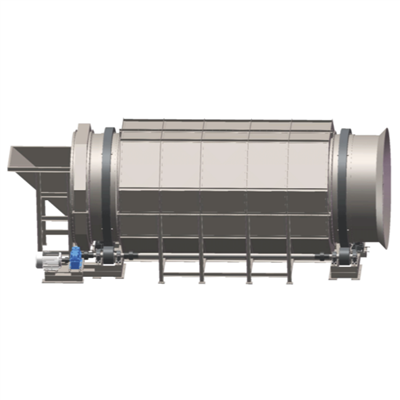
If you're in the paper - pulp industry or other related fields, you might also be interested in some of our other equipment. For example, the Rotating Drum Screen is a great addition for separating different materials. The Low Consistency Refiner can help refine the pulp to improve its quality. And the Stainless Steel Reaction Vessel is ideal for chemical reactions in the pulp - making process.
Conclusion
Ensuring the stable operation of a screw shredder involves a combination of proper installation, regular maintenance, correct material feeding, monitoring, operator training, and sometimes upgrading or replacement. By following these tips, you can keep your shredder running smoothly and efficiently, which will ultimately save you time and money.
If you have any questions about our screw shredders or need help with installation, maintenance, or upgrading, don't hesitate to contact us. We're here to support you and help you get the most out of your equipment. Let's work together to keep your operations running at their best!
References
- Manufacturer's manuals for screw shredders
- Industry best practices for shredder operation and maintenance
- Technical papers on industrial equipment reliability