Dealing with the odor problem in an IC (Internal Circulation) anaerobic reactor is crucial for both environmental protection and the well - being of those working in or around the facility. As a reputable supplier of IC Anaerobic Reactors, I understand the challenges that come with odor management in these systems. In this blog, I'll share some effective strategies to tackle this issue.
Understanding the Source of Odors in IC Anaerobic Reactors
Before we can address the odor problem, it's essential to understand where the odors come from. In an IC anaerobic reactor, the anaerobic digestion process breaks down organic matter in the absence of oxygen. During this process, various by - products are generated, some of which are responsible for the unpleasant odors.
One of the main odor - causing substances is hydrogen sulfide (H₂S). It is produced when sulfate - reducing bacteria break down sulfur - containing compounds in the wastewater. Other volatile organic compounds (VOCs) such as mercaptans, amines, and organic acids can also contribute to the foul smell. Additionally, if the reactor is not operating optimally, for example, if there is a lack of proper mixing or an imbalance in the microbial community, it can lead to increased odor production.
Strategies for Odor Control
1. Pretreatment of Incoming Wastewater
Pretreating the incoming wastewater can significantly reduce the amount of odor - causing substances entering the IC anaerobic reactor. For instance, removing sulfur - containing compounds before they reach the reactor can minimize the production of hydrogen sulfide. This can be achieved through chemical precipitation or biological processes.
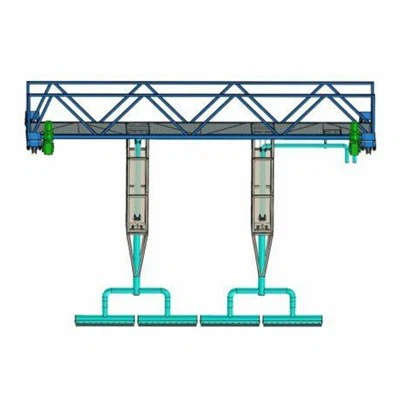
Another important aspect of pretreatment is the removal of large solids. Solids can accumulate in the reactor and cause anaerobic pockets, leading to increased odor production. Using a Bridge Sludge Thickener can help in separating the solids from the wastewater, ensuring a more uniform and cleaner influent for the reactor.
2. Proper Reactor Design and Operation
- Mixing: Adequate mixing is essential in an IC anaerobic reactor. It helps to distribute the substrate evenly, maintain a stable microbial community, and prevent the formation of dead zones where anaerobic conditions can lead to odor production. By ensuring proper mixing, the reactor can operate more efficiently, reducing the chances of odor generation.
- Temperature and pH Control: Maintaining the right temperature and pH levels in the reactor is crucial for the optimal growth and activity of the anaerobic microorganisms. Most anaerobic bacteria work best within a specific temperature and pH range. Deviations from these optimal conditions can stress the microorganisms, leading to changes in their metabolism and increased odor production. Regular monitoring and adjustment of temperature and pH can help keep the reactor operating smoothly.
- Gas Collection and Treatment: The biogas produced in the IC anaerobic reactor contains not only methane but also odor - causing gases such as hydrogen sulfide. Installing an effective gas collection system is the first step. Once the gas is collected, it can be treated to remove the odor - causing components. One common method is the use of activated carbon filters, which can adsorb hydrogen sulfide and other VOCs.
3. Biological Odor Control
Biological treatment methods can be very effective in controlling odors from the IC anaerobic reactor. For example, biofilters can be used to treat the off - gases from the reactor. Biofilters work by passing the odorous gases through a bed of porous material that is colonized by microorganisms. These microorganisms break down the odor - causing compounds into less harmful substances such as carbon dioxide and water.


Another biological approach is the addition of specific microorganisms to the reactor itself. Some bacteria have the ability to degrade odor - causing compounds. By inoculating the reactor with these beneficial bacteria, it may be possible to reduce the overall odor production.
4. Chemical Odor Control
Chemical methods can also be employed to control odors. For example, chemical oxidants such as hydrogen peroxide or ozone can be used to oxidize hydrogen sulfide and other odor - causing compounds. However, chemical treatment should be used with caution as it can have an impact on the microbial community in the reactor if not properly dosed.
In some cases, the addition of masking agents can be a short - term solution to mitigate the odor problem. Masking agents work by covering up the unpleasant smell with a more pleasant fragrance. However, this is more of a cosmetic solution and does not address the root cause of the odor.
5. Post - treatment and Monitoring
After the treated wastewater leaves the IC anaerobic reactor, it may still contain some residual odor - causing substances. Post - treatment processes such as aeration using Microporous Aeration Disc can help further reduce the odor. Aeration provides oxygen, which can promote the growth of aerobic bacteria that can break down the remaining organic compounds.
Regular monitoring of the odor levels is essential to ensure the effectiveness of the odor control measures. This can be done using odor sensors or by conducting regular olfactory inspections. By continuously monitoring the odor, adjustments can be made to the treatment processes as needed.
Comparison with Other Anaerobic Reactors
When considering odor control, it's worth comparing the IC anaerobic reactor with other types of anaerobic reactors, such as the UASB Anaerobic Reactor. The IC anaerobic reactor generally has a higher organic loading rate and better internal circulation compared to the UASB reactor. This can result in more efficient anaerobic digestion and potentially less odor production. However, both reactors face similar odor challenges, and the strategies mentioned above can be applied to both types of reactors with some modifications.
Conclusion
Dealing with the odor problem in an IC anaerobic reactor requires a comprehensive approach that addresses the source of the odors, proper reactor design and operation, and the use of appropriate treatment methods. By implementing the strategies outlined in this blog, it is possible to significantly reduce the odor emissions from the reactor, making it more environmentally friendly and acceptable in the surrounding area.
If you are facing odor problems in your IC anaerobic reactor or are considering purchasing a new one, I encourage you to contact us for more information. Our team of experts can provide you with customized solutions based on your specific needs and requirements. We are committed to providing high - quality IC Anaerobic Reactors and comprehensive support for odor control and other aspects of wastewater treatment.
References
[1] Metcalf & Eddy. (2014). Wastewater Engineering: Treatment and Resource Recovery. McGraw - Hill.
[2] Rittmann, B. E., & McCarty, P. L. (2001). Environmental Biotechnology: Principles and Applications. McGraw - Hill.