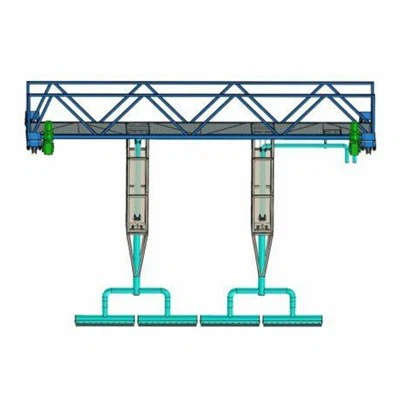
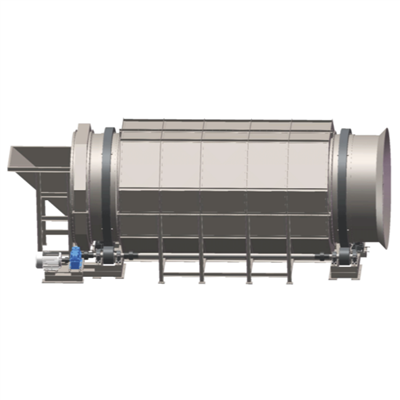
In the complex ecosystem of a wastewater treatment plant, every piece of equipment plays a crucial role in ensuring the efficient and effective purification of wastewater. As a supplier of Wastewater UV Systems, I have witnessed firsthand how the UV system interacts with other equipment to achieve optimal treatment results. This blog post will delve into the intricate relationships between the UV system and other key components in a wastewater treatment plant.
Pre - treatment Equipment and UV System Interaction
Pre - treatment is the first line of defense in wastewater treatment, where large solids, debris, and some contaminants are removed before the water reaches the main treatment processes. Equipment such as bar screens, grit chambers, and sedimentation tanks are commonly used in this stage.
Bar screens are designed to remove large objects like sticks, rags, and plastics from the wastewater. By preventing these large items from entering the subsequent processes, they protect the UV system from potential damage. Large debris could clog the UV lamps or disrupt the flow of water through the UV reactor, reducing the system's effectiveness.
Grit chambers are used to settle out heavy inorganic particles such as sand and gravel. These particles, if not removed, can accumulate in the UV system, causing abrasion to the UV lamps and reducing their lifespan. A well - functioning grit chamber ensures that the water entering the UV system is relatively free of abrasive materials, thus maintaining the integrity of the UV equipment.
Sedimentation tanks allow suspended solids to settle to the bottom of the tank. This reduces the turbidity of the water. High turbidity can scatter UV light, preventing it from effectively reaching the microorganisms in the water. By reducing turbidity, sedimentation tanks enhance the performance of the UV system, as more UV light can penetrate the water and inactivate pathogens.
Aeration Equipment and UV System
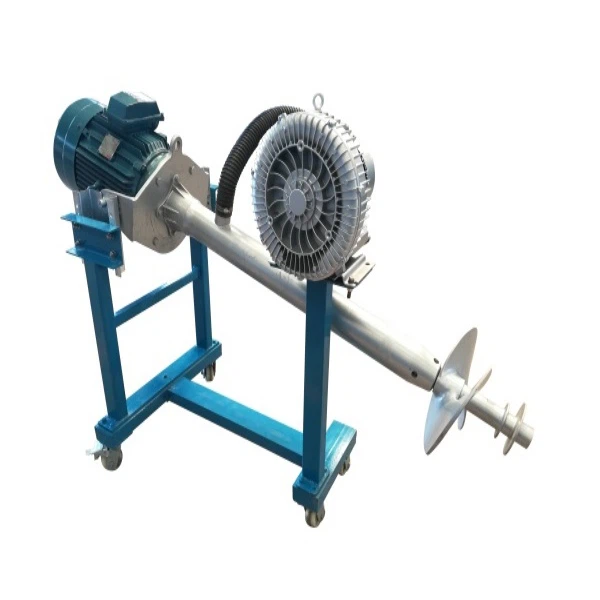
Aeration is a critical process in wastewater treatment that involves adding oxygen to the water. There are several types of aeration equipment, such as the Submersible Aerator and Aerator Mixer.
The purpose of aeration is to support the growth of aerobic bacteria, which break down organic matter in the wastewater. When the organic matter is reduced, the water becomes clearer and less likely to contain substances that can absorb or scatter UV light. For example, a Submersible Aerator can efficiently introduce oxygen into the water, promoting the growth of beneficial bacteria. As these bacteria consume organic pollutants, the water quality improves, and the UV system can operate more effectively.
Moreover, aeration can also help to strip out volatile organic compounds (VOCs) from the water. Some VOCs can interfere with the UV disinfection process by absorbing UV light. By removing these VOCs through aeration, the UV system can focus on inactivating pathogens, leading to better disinfection results.
Dissolved Air Flotation (DAF) Equipment and UV System
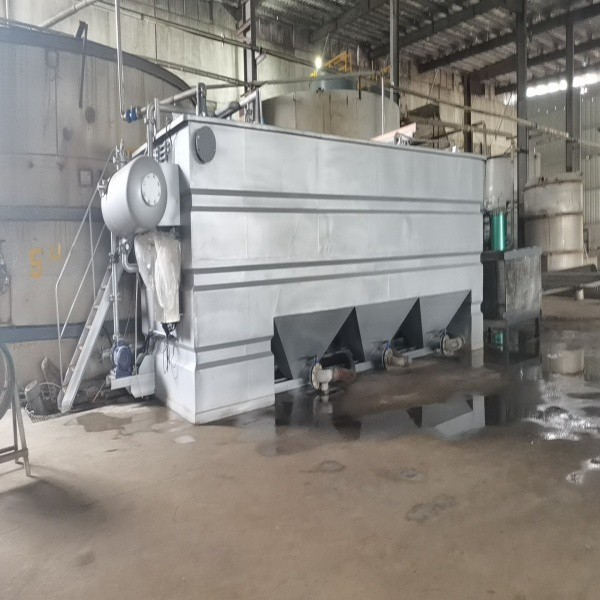
Dissolved Air Flotation Equipment is used to remove suspended solids, oils, and greases from the wastewater. It works by introducing tiny air bubbles into the water, which attach to the suspended particles and cause them to float to the surface, where they can be skimmed off.
The interaction between DAF equipment and the UV system is significant. By removing suspended solids and oils, DAF equipment reduces the turbidity and organic load of the water. As mentioned earlier, high turbidity and organic matter can impede the UV disinfection process. A DAF system that effectively removes these contaminants ensures that the water entering the UV system is of better quality, allowing the UV lamps to emit light that can more easily reach and inactivate microorganisms.
In addition, some of the substances removed by DAF equipment, such as oils, can coat the surface of UV lamps, reducing their UV output. By preventing these substances from reaching the UV system, DAF equipment helps to maintain the efficiency of the UV lamps and extends their service life.
Biological Treatment Processes and UV System
Biological treatment processes, such as activated sludge systems and trickling filters, use microorganisms to break down organic matter in the wastewater. These processes are essential for reducing the biochemical oxygen demand (BOD) and chemical oxygen demand (COD) of the water.
The relationship between biological treatment and the UV system is symbiotic. Biological treatment reduces the organic load of the water, which in turn reduces the amount of UV - absorbing substances in the water. This allows the UV system to operate more efficiently, as less UV light is wasted on non - disinfection processes.
On the other hand, the UV system can provide a final disinfection step after biological treatment. Biological treatment processes may not completely eliminate all pathogens, especially in cases where the treatment conditions are not optimal. The UV system can then inactivate any remaining pathogens, ensuring that the treated water meets the required disinfection standards.
Post - treatment and UV System
After the main treatment processes, post - treatment steps are often taken to further polish the water quality. This may include processes such as filtration and chemical treatment.
Filtration can remove any remaining fine particles from the water. Similar to pre - treatment processes, reducing the particle content in the water improves the performance of the UV system. Fine particles can scatter UV light, and by removing them through filtration, more UV light can reach the microorganisms.
Chemical treatment, such as the addition of chlorine or other disinfectants, can sometimes be used in combination with the UV system. In some cases, a small amount of chemical disinfectant can be added after UV treatment to provide a residual disinfection effect. The UV system can first inactivate a large number of pathogens, and the chemical disinfectant can then maintain the disinfection level during the distribution of the treated water.
Conclusion
The interaction between the UV system and other equipment in a wastewater treatment plant is complex and multifaceted. Each piece of equipment has a role to play in ensuring that the UV system can operate at its best and that the overall treatment process achieves the desired results. From pre - treatment to post - treatment, every step is crucial in optimizing the performance of the UV system and producing high - quality treated water.
If you are involved in the wastewater treatment industry and are looking for a reliable Wastewater UV System, our company can provide you with top - quality products. Our UV systems are designed to work seamlessly with other treatment equipment, enhancing the overall efficiency of your wastewater treatment plant. We are ready to have in - depth discussions with you about your specific needs and how our UV systems can integrate into your existing or planned treatment processes. Contact us to start a procurement negotiation and take your wastewater treatment to the next level.
References
Metcalf & Eddy. (2003). Wastewater Engineering: Treatment and Reuse. McGraw - Hill.
Tchobanoglous, G., Burton, F. L., & Stensel, H. D. (2003). Wastewater Engineering: Treatment, Disposal, and Reuse. Pearson Education.