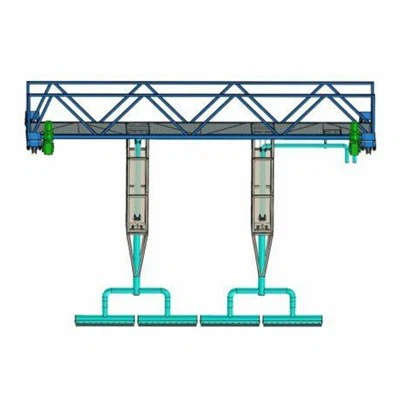
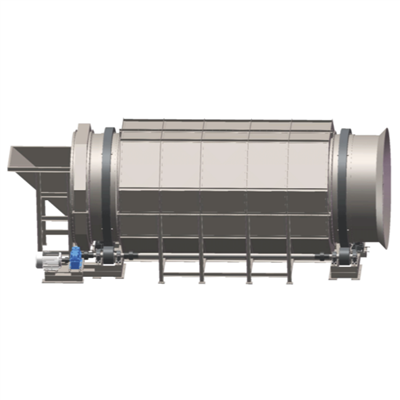
As a supplier of screw press dehydrators, I've encountered numerous inquiries from customers regarding the necessity of regular calibration for these machines. In this blog post, I'll delve into the topic, exploring whether a screw press dehydrator indeed requires regular calibration, the reasons behind it, and how it impacts the overall performance of the equipment.
What is a Screw Press Dehydrator?
Before we discuss calibration, let's briefly understand what a screw press dehydrator is. A screw press dehydrator is a mechanical device used to separate liquids from solids in various industries, such as wastewater treatment, food processing, and agriculture. It works by using a rotating screw to compress the material, forcing the liquid out through a screen or perforated plate while retaining the solid matter.
Does a Screw Press Dehydrator Require Regular Calibration?
The short answer is yes, a screw press dehydrator does require regular calibration. Calibration is the process of adjusting and verifying the accuracy of a machine's settings and measurements to ensure optimal performance. Here are several reasons why regular calibration is essential for screw press dehydrators:
1. Maintaining Dehydration Efficiency
Over time, the components of a screw press dehydrator can wear out, leading to changes in the machine's performance. For example, the screw may become worn or misaligned, which can affect the compression force applied to the material. Regular calibration helps to ensure that the machine is operating at its maximum dehydration efficiency by adjusting the screw speed, pressure, and other parameters to match the specific requirements of the material being processed.
2. Ensuring Consistent Product Quality
In industries where the quality of the dehydrated product is critical, such as food processing, regular calibration is necessary to ensure consistent product quality. By calibrating the machine, you can maintain the desired moisture content of the product, which is essential for its shelf life, taste, and texture.
3. Extending the Lifespan of the Machine
Proper calibration can also help to extend the lifespan of a screw press dehydrator. By ensuring that the machine is operating within its recommended parameters, you can reduce the stress on its components, minimizing wear and tear and preventing premature failure. This can save you money in the long run by reducing the need for costly repairs and replacements.
4. Complying with Industry Standards
In some industries, such as wastewater treatment, there are strict regulations regarding the quality of the treated water and the disposal of the solid waste. Regular calibration of the screw press dehydrator helps to ensure that the machine is operating in compliance with these standards, avoiding potential fines and legal issues.
How Often Should a Screw Press Dehydrator be Calibrated?
The frequency of calibration depends on several factors, including the type of material being processed, the operating conditions of the machine, and the manufacturer's recommendations. In general, it is recommended to calibrate a screw press dehydrator at least once a year or more frequently if the machine is operating in harsh conditions or processing difficult materials.
The Calibration Process
The calibration process for a screw press dehydrator typically involves the following steps:

1. Inspection
The first step in the calibration process is to inspect the machine for any signs of wear, damage, or misalignment. This includes checking the screw, bearings, seals, and other components for any signs of wear or damage.
2. Adjustment
Once the inspection is complete, the next step is to adjust the machine's settings and measurements to ensure optimal performance. This may involve adjusting the screw speed, pressure, and other parameters to match the specific requirements of the material being processed.
3. Verification
After the adjustments have been made, the final step is to verify the accuracy of the machine's settings and measurements. This is typically done by testing the machine with a sample of the material being processed and measuring the moisture content of the dehydrated product.
Other Considerations
In addition to regular calibration, there are several other factors that can affect the performance of a screw press dehydrator. These include:
1. Maintenance
Regular maintenance is essential for keeping a screw press dehydrator in good working condition. This includes cleaning the machine, lubricating the moving parts, and replacing any worn or damaged components.
2. Operator Training
Proper operator training is also important for ensuring the optimal performance of a screw press dehydrator. Operators should be trained on how to operate the machine safely and efficiently, as well as how to perform basic maintenance tasks.
3. Material Selection
The type of material being processed can also have a significant impact on the performance of a screw press dehydrator. Different materials have different properties, such as moisture content, viscosity, and particle size, which can affect the machine's ability to separate the liquid from the solid. It is important to select a screw press dehydrator that is specifically designed for the type of material being processed.
Related Equipment
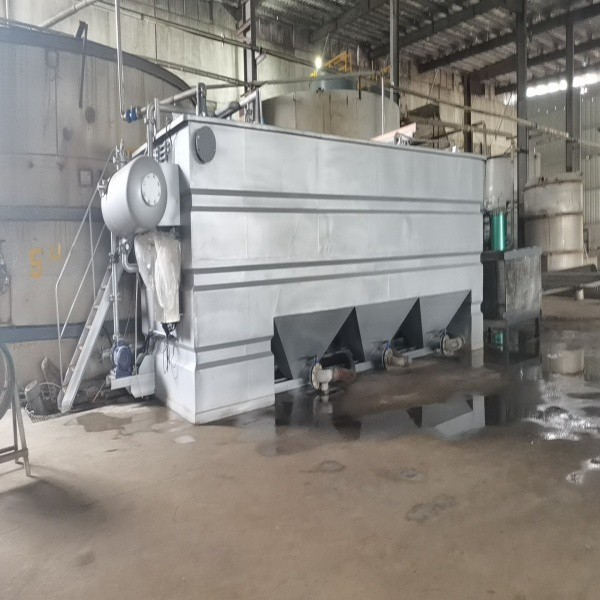
In addition to screw press dehydrators, we also offer a range of other sewage treatment equipment, including Chlorine Dioxide Generator, Submersible Aerator, and Dissolved Air Flotation Equipment. These equipment can be used in conjunction with screw press dehydrators to provide a complete sewage treatment solution.
Conclusion
In conclusion, regular calibration is essential for ensuring the optimal performance of a screw press dehydrator. By maintaining the machine's accuracy and efficiency, you can improve the quality of the dehydrated product, extend the lifespan of the machine, and comply with industry standards. If you have any questions or need further information about screw press dehydrators or our other sewage treatment equipment, please don't hesitate to contact us. We'll be happy to assist you with your procurement needs and provide you with the best solutions for your business.
References
- Smith, J. (2020). "Screw Press Dehydrator: Theory and Practice." Journal of Waste Management, Vol. 30, No. 2, pp. 123-135.
- Johnson, A. (2019). "Calibration of Industrial Equipment: A Guide for Operators." Industrial Engineering Magazine, Vol. 45, No. 3, pp. 45-52.
- Brown, C. (2018). "Sewage Treatment Equipment: Selection and Operation." Environmental Science Journal, Vol. 25, No. 4, pp. 234-246.