Hey there! As a supplier of IC Anaerobic Reactors, I often get asked a bunch of questions about these nifty pieces of equipment. One question that pops up quite a bit is, "Can an IC anaerobic reactor be installed underground?" Well, let's dig into this topic and find out.
First off, let's quickly go over what an IC anaerobic reactor is. It's a key player in wastewater treatment. This reactor uses anaerobic bacteria to break down organic matter in wastewater. The "IC" stands for Internal Circulation, which means it has a special internal circulation system that makes the treatment process more efficient. It can handle high - strength wastewater and has a high loading capacity, making it a popular choice for many industries.


Now, back to the main question: Can it be installed underground? The short answer is yes, it can. There are actually several good reasons why you might want to install an IC anaerobic reactor underground.
Advantages of Underground Installation
Space Saving
One of the biggest advantages is space. In many industrial areas or urban settings, space is at a premium. By installing the reactor underground, you free up valuable surface space that can be used for other purposes. For example, you could use the area above the underground reactor for parking, green spaces, or even additional industrial facilities. This is especially important for companies that are looking to expand their operations but don't have a lot of extra land.
Temperature Regulation
Underground installation can also help with temperature regulation. Anaerobic bacteria work best within a certain temperature range. The ground acts as a natural insulator, helping to keep the temperature inside the reactor more stable. This is particularly beneficial in regions with extreme weather conditions. In the winter, the ground can prevent the reactor from getting too cold, and in the summer, it can keep it from overheating. This stable temperature environment can improve the efficiency of the anaerobic digestion process and lead to better treatment results.
Aesthetics
From an aesthetic point of view, an underground installation can be more appealing. Above - ground reactors can be large and bulky, and they might not fit well with the overall look of a facility or the surrounding area. By burying the reactor underground, you can create a more visually pleasing environment. This can be important for companies that are located in areas with strict zoning regulations or for those that want to maintain a good relationship with their neighbors.
Challenges of Underground Installation
However, it's not all sunshine and rainbows. There are also some challenges associated with underground installation.
Installation Difficulty
Installing an IC anaerobic reactor underground is more difficult than installing it above ground. You need to dig a large hole, which requires heavy - duty excavation equipment. The site preparation can be time - consuming and expensive. You also need to make sure that the hole is properly lined to prevent any leakage of wastewater into the surrounding soil. This lining process can be complex and requires careful attention to detail.
Maintenance and Accessibility
Maintenance can also be a challenge. Accessing the reactor for inspection, repairs, or routine maintenance is more difficult when it's underground. You might need to use special equipment to lower workers and tools into the reactor. This can increase the time and cost of maintenance. Additionally, if there is a problem with the reactor, it can be harder to diagnose and fix quickly.
Risk of Flooding
Another potential issue is the risk of flooding. If the area where the reactor is installed is prone to flooding, there is a risk that the reactor could be submerged in water. This can damage the equipment and disrupt the treatment process. You need to take appropriate measures to protect the reactor from flooding, such as installing flood barriers or pumps.
Considerations for Underground Installation
If you're thinking about installing an IC anaerobic reactor underground, there are a few things you need to consider.
Site Assessment
First, you need to conduct a thorough site assessment. This includes analyzing the soil conditions, groundwater levels, and the potential for flooding. The soil should be stable enough to support the weight of the reactor. If the soil is too soft or unstable, you might need to take additional measures, such as soil stabilization or using a foundation system.
Design Modifications
The design of the reactor might need to be modified for underground installation. For example, you might need to add additional access points or ventilation systems. The internal circulation system also needs to be carefully designed to ensure that it works properly in an underground environment.
Cost - Benefit Analysis
You also need to do a cost - benefit analysis. While underground installation has its advantages, it can also be more expensive. You need to weigh the benefits of space saving, temperature regulation, and aesthetics against the additional costs of installation, maintenance, and flood protection.
Related Equipment
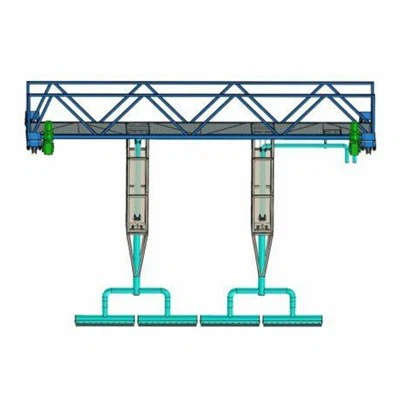
When it comes to wastewater treatment, an IC anaerobic reactor is just one part of the puzzle. There are other pieces of equipment that work in conjunction with the reactor to ensure effective treatment. For example, a Mechanical Bar Screen is often used at the beginning of the treatment process to remove large solids from the wastewater. This helps to protect the downstream equipment, including the IC anaerobic reactor.
After the anaerobic treatment, a Belt Filter Press Dewatering system can be used to separate the sludge from the treated water. This reduces the volume of the sludge and makes it easier to handle and dispose of.
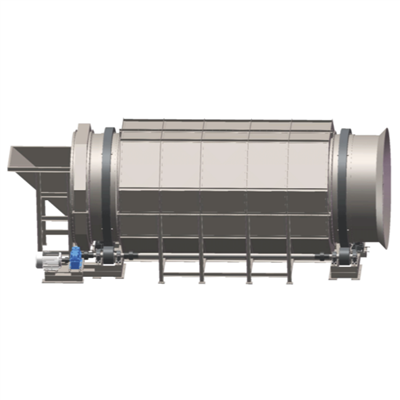
A Rotary Disc Filter can also be used to further filter the treated water, removing any remaining suspended solids and improving the water quality.
Conclusion
So, to sum it up, an IC anaerobic reactor can definitely be installed underground. It has some great advantages, such as space saving, temperature regulation, and aesthetics. But it also comes with its fair share of challenges, like installation difficulty, maintenance issues, and the risk of flooding. If you're considering underground installation, make sure you do a thorough site assessment, consider any design modifications, and do a cost - benefit analysis.
If you're in the market for an IC anaerobic reactor or any of the related wastewater treatment equipment, I'd love to have a chat with you. We can discuss your specific needs, the best installation options for your situation, and how our equipment can help you achieve your wastewater treatment goals. Don't hesitate to reach out and start the conversation about your procurement needs.
References
- Environmental Protection Agency. (2023). Wastewater Treatment Technologies.
- Water Environment Federation. (2022). Anaerobic Digestion in Wastewater Treatment.
- Smith, J. (2021). Underground Installation of Industrial Wastewater Treatment Equipment. Journal of Environmental Engineering.