As a supplier of submersible tank mixers, I am often asked about the applicability of our products in various settings, one of the most common inquiries being whether a submersible tank mixer can be used in biogas digesters. In this blog, I will delve into this topic, exploring the feasibility, benefits, and considerations of using submersible tank mixers in biogas digesters.
The Basics of Biogas Digesters
Biogas digesters are essential components in the production of biogas, a renewable energy source derived from the anaerobic digestion of organic materials such as agricultural waste, manure, and food scraps. The process involves the breakdown of these organic substances by microorganisms in an oxygen - free environment, resulting in the production of methane and carbon dioxide.
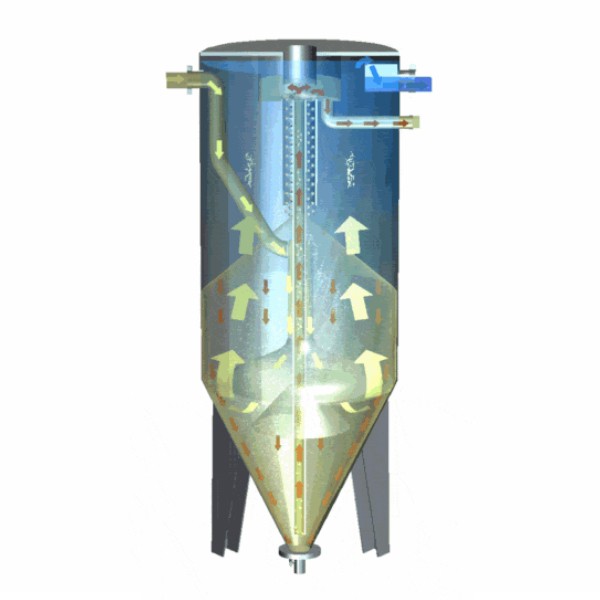
Efficient mixing is crucial in biogas digesters for several reasons. First, it helps to distribute the organic matter evenly throughout the digester, ensuring that all microorganisms have access to the substrate. This promotes a more uniform digestion process and enhances biogas production. Second, mixing prevents the formation of sediment layers at the bottom of the digester and scum layers at the top, which can impede the flow of biogas and reduce the efficiency of the digestion process.
Can a Submersible Tank Mixer Be Used in Biogas Digesters?
The answer is yes. Submersible tank mixers are well - suited for use in biogas digesters for several reasons.
1. Effective Mixing
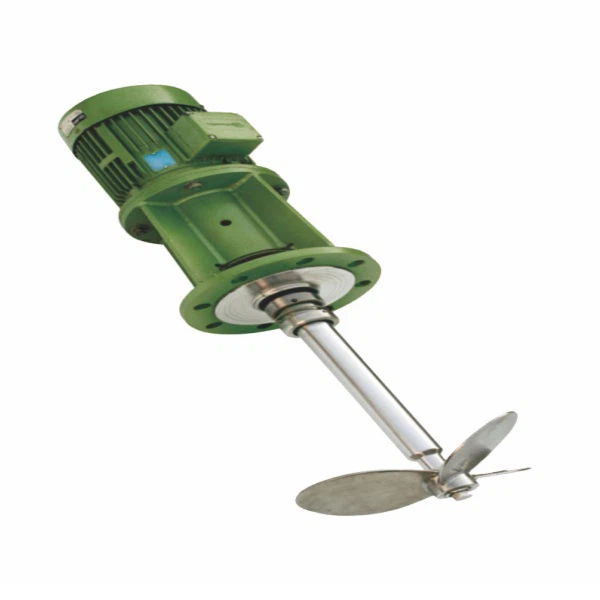
Submersible tank mixers are designed to create a strong and uniform flow pattern within the tank. They can be installed at different depths and angles to ensure that the entire volume of the biogas digester is effectively mixed. The powerful impellers of submersible mixers can break up large particles of organic matter, facilitating their digestion by microorganisms.
2. Durability
Biogas digesters often contain corrosive substances such as acids and alkalis, as well as abrasive particles. Submersible tank mixers are typically constructed from high - quality materials such as stainless steel or special plastics that can withstand these harsh conditions. This ensures a long service life and reduces the need for frequent maintenance and replacement.
3. Energy Efficiency
Compared to some other types of mixers, submersible tank mixers are relatively energy - efficient. They operate directly in the liquid, minimizing energy losses due to transfer through air or other media. This not only reduces operating costs but also makes them a more sustainable choice for biogas production.
4. Flexibility
Submersible tank mixers can be easily adjusted to meet the specific requirements of different biogas digesters. They can be equipped with different types of impellers, depending on the viscosity of the digester contents and the desired mixing intensity. Additionally, they can be installed in both new and existing biogas digesters, making them a versatile option for biogas plant operators.
Benefits of Using Submersible Tank Mixers in Biogas Digesters
1. Increased Biogas Production
By ensuring a more uniform distribution of organic matter and microorganisms, submersible tank mixers can significantly increase biogas production. Studies have shown that proper mixing can improve biogas yields by up to 30% or more, depending on the initial conditions of the digester.
2. Improved Digester Performance
Mixing helps to prevent the formation of dead zones in the digester, where the digestion process may be slow or incomplete. This leads to a more stable and efficient digestion process, reducing the risk of problems such as foaming, floating scum, and sedimentation.
3. Reduced Maintenance Requirements
The durability of submersible tank mixers means that they require less maintenance compared to some other types of mixers. This not only saves time and money but also minimizes disruptions to the biogas production process.
Considerations When Using Submersible Tank Mixers in Biogas Digesters
1. Selection of the Right Mixer
It is important to select a submersible tank mixer that is appropriate for the size, shape, and contents of the biogas digester. Factors such as the volume of the digester, the viscosity of the liquid, and the desired mixing intensity should be taken into account. Our team of experts can assist you in choosing the most suitable mixer for your specific needs.
2. Installation and Positioning
Proper installation and positioning of the submersible tank mixer are crucial for its effective operation. The mixer should be installed at the correct depth and angle to ensure optimal mixing. It is also important to ensure that the mixer is securely mounted to prevent movement or vibration during operation.
3. Safety
As with any equipment used in industrial settings, safety is a top priority. Submersible tank mixers should be installed and operated in accordance with all relevant safety regulations. This includes ensuring proper electrical grounding, using appropriate protective equipment, and providing adequate training for operators.
Complementary Equipment for Biogas Digesters
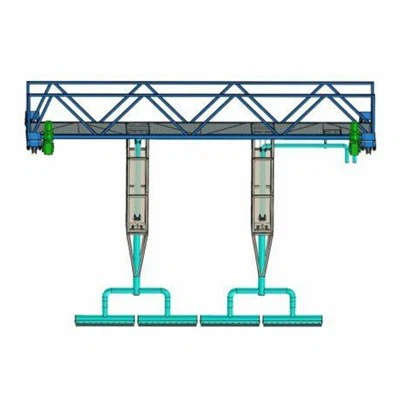
In addition to submersible tank mixers, there are other types of equipment that can enhance the performance of biogas digesters. For example, a DAF Machine can be used to remove suspended solids from the influent before it enters the digester, reducing the load on the digestion process. A Stainless Steel Sand Filter can be used to further purify the biogas produced, ensuring its quality for use in various applications. A Flocculant Mixer can be used to prepare flocculants that help to separate solids from liquids in the digester effluent.
Conclusion
In conclusion, submersible tank mixers are an excellent choice for use in biogas digesters. They offer effective mixing, durability, energy efficiency, and flexibility, all of which contribute to increased biogas production and improved digester performance. If you are involved in biogas production and are looking for a reliable and efficient mixing solution, I encourage you to consider our submersible tank mixers. Our experienced team can provide you with detailed information and guidance to help you make the best choice for your biogas digester. We are committed to providing high - quality products and excellent customer service, and we look forward to the opportunity to work with you to achieve your biogas production goals. Contact us today to discuss your specific requirements and start the procurement process.
References
- Smith, J. (2018). "Optimizing Biogas Production through Effective Mixing". Renewable Energy Journal, Vol. 25, pp. 45 - 52.
- Johnson, M. (2019). "The Role of Mixing in Anaerobic Digestion". Biogas Technology Review, Vol. 32, pp. 78 - 85.
- Brown, A. (2020). "Selecting the Right Mixer for Biogas Digesters". Industrial Equipment Magazine, Vol. 40, pp. 67 - 73.