A submersible aerator is a crucial piece of equipment in the field of water treatment, and its application in sewage treatment plants has long been a topic of great interest. As a supplier of submersible aerators, I have witnessed firsthand the evolving needs and challenges in sewage treatment, and I am eager to share my insights on whether a submersible aerator can be effectively used in a sewage treatment plant.
The Role of Aeration in Sewage Treatment
Before delving into the suitability of submersible aerators for sewage treatment plants, it is essential to understand the significance of aeration in the sewage treatment process. Aeration is a fundamental step that involves the introduction of oxygen into the sewage. This oxygen is vital for the survival and activity of aerobic microorganisms, which play a central role in breaking down organic matter in the sewage. Through aerobic digestion, these microorganisms convert harmful pollutants into less harmful substances such as carbon dioxide, water, and biomass.
The efficiency of this biological treatment process depends largely on the availability of oxygen. Insufficient oxygen can lead to the growth of anaerobic bacteria, which produce unpleasant odors and can also result in the incomplete breakdown of organic matter. Therefore, proper aeration is crucial for maintaining the effectiveness of the sewage treatment process and ensuring the quality of the treated water.
Advantages of Submersible Aerators in Sewage Treatment Plants
1. High Oxygen Transfer Efficiency
Submersible aerators are designed to operate underwater, which allows them to transfer oxygen directly into the sewage. This direct transfer method results in high oxygen transfer efficiency compared to some other types of aerators. The fine bubbles produced by submersible aerators have a large surface area, which increases the contact time between the oxygen and the sewage, facilitating better oxygen dissolution. This high efficiency means that more oxygen can be delivered to the aerobic microorganisms, enhancing their metabolic activity and improving the overall treatment efficiency of the sewage treatment plant.


2. Energy Efficiency
In today's world, energy efficiency is a top priority for many industries, including sewage treatment. Submersible aerators are known for their relatively low energy consumption. Their design allows them to operate with less power while still achieving effective aeration. This is particularly important for sewage treatment plants, which often have high energy demands. By using submersible aerators, sewage treatment plants can reduce their energy costs and contribute to a more sustainable operation.
3. Easy Installation and Maintenance
Submersible aerators are relatively easy to install in sewage treatment plants. They can be directly submerged into the sewage tank, eliminating the need for complex installation procedures. This not only saves time but also reduces the installation costs. Additionally, maintenance of submersible aerators is relatively straightforward. Most models are designed with easy-to-access components, which makes it convenient for operators to perform routine maintenance tasks such as cleaning and inspection.
4. Versatility
Submersible aerators can be used in various types of sewage treatment systems, including activated sludge systems, oxidation ditches, and sequencing batch reactors. Their versatility makes them a suitable choice for different sizes and types of sewage treatment plants. Whether it is a small-scale municipal sewage treatment plant or a large industrial wastewater treatment facility, submersible aerators can be adjusted to meet the specific aeration requirements.
Challenges and Considerations
While submersible aerators offer many advantages for sewage treatment plants, there are also some challenges and considerations that need to be taken into account.
1. Solid and Grease Accumulation
Sewage often contains a significant amount of solid particles and grease. These substances can accumulate on the submersible aerator, reducing its performance and potentially causing damage. To address this issue, proper pre-treatment of the sewage is necessary to remove as many solids and grease as possible before the sewage enters the aeration tank. Additionally, regular cleaning and maintenance of the submersible aerator are essential to prevent the build-up of these substances.
2. Corrosion
The sewage environment is often corrosive due to the presence of various chemicals and acids. Submersible aerators need to be made of corrosion-resistant materials to ensure their long-term durability. When selecting a submersible aerator, it is important to choose a model that is specifically designed to withstand the corrosive conditions in sewage treatment plants.
3. Noise and Vibration
Although submersible aerators are generally quieter than some other types of aerators, they can still produce noise and vibration during operation. This can be a concern, especially for sewage treatment plants located in residential areas. To minimize the impact of noise and vibration, proper installation and mounting of the submersible aerator are crucial. Additionally, some advanced models are equipped with noise and vibration reduction features.
Complementary Equipment in Sewage Treatment
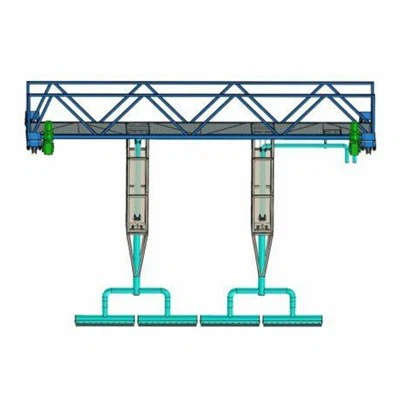
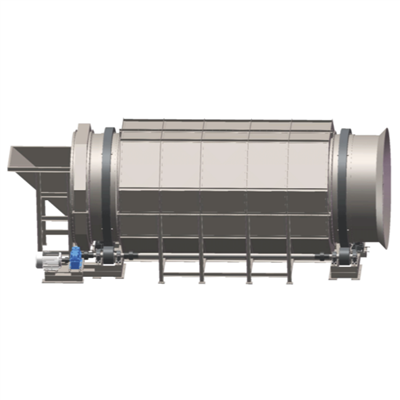
In addition to submersible aerators, there are other important pieces of equipment that are often used in sewage treatment plants to enhance the overall treatment efficiency. For example, the Peripheral Driving Sludge Thickener is used to thicken the sludge, reducing its volume and making it easier to handle. The Micro Screen Filter can effectively remove fine particles and debris from the sewage, improving the quality of the influent water. The Fenton Catalytic Reactor is a powerful tool for treating wastewater containing difficult-to-degrade organic pollutants.
Conclusion
In conclusion, submersible aerators can be effectively used in sewage treatment plants. Their high oxygen transfer efficiency, energy efficiency, easy installation and maintenance, and versatility make them a valuable asset for sewage treatment. However, it is important to be aware of the challenges and considerations associated with their use, such as solid and grease accumulation, corrosion, and noise and vibration. By taking appropriate measures to address these issues, sewage treatment plants can maximize the benefits of submersible aerators and ensure the efficient and sustainable operation of their treatment processes.
If you are interested in learning more about our submersible aerators or other sewage treatment equipment, please feel free to contact us for a detailed discussion. We are committed to providing high-quality products and professional solutions to meet your specific sewage treatment needs.
References
- Metcalf, G. T., & Eddy, H. (2003). Wastewater Engineering: Treatment and Reuse. McGraw-Hill.
- Tchobanoglous, G., Burton, F. L., & Stensel, H. D. (2003). Wastewater Engineering: Treatment, Disposal, and Reuse. Pearson Education.