What is the flow rate of a submersible aerator?
As a supplier of submersible aerators, I often get asked about the flow rate of these essential pieces of equipment. Understanding the flow rate is crucial for anyone involved in wastewater treatment, aquaculture, or other applications where aeration is necessary. In this blog post, I'll delve into what the flow rate of a submersible aerator is, why it matters, and how to choose the right flow rate for your specific needs.
What is the flow rate of a submersible aerator?
The flow rate of a submersible aerator refers to the volume of water that the aerator can move or circulate within a given period, typically measured in cubic meters per hour (m³/h) or gallons per minute (GPM). It indicates how much water the aerator can treat or aerate in a specific amount of time. A higher flow rate means that the aerator can cover a larger volume of water more quickly, which is important for maintaining proper oxygen levels and water quality in larger bodies of water or in systems with high oxygen demand.
Why does the flow rate matter?
- Oxygen transfer efficiency: The flow rate directly affects the oxygen transfer efficiency of the submersible aerator. A higher flow rate can help to distribute oxygen more evenly throughout the water, ensuring that all areas receive an adequate supply of oxygen. This is especially important in wastewater treatment plants, where proper aeration is essential for the growth of beneficial bacteria that break down organic matter.
- Water circulation: In addition to oxygen transfer, the flow rate also plays a crucial role in water circulation. By creating a strong flow of water, the submersible aerator can prevent the formation of stagnant areas, which can lead to the growth of harmful bacteria and the accumulation of sediment. Good water circulation also helps to maintain a uniform temperature and chemical composition throughout the water body.
- System capacity: The flow rate of the submersible aerator determines the capacity of the overall system. If the flow rate is too low, the aerator may not be able to meet the oxygen demand of the water, resulting in poor water quality and potential problems with the treatment process. On the other hand, if the flow rate is too high, it may cause excessive turbulence and energy consumption, leading to increased operating costs.
Factors affecting the flow rate
Several factors can influence the flow rate of a submersible aerator, including:
- Aerator design: The design of the submersible aerator, such as the impeller size, shape, and number of blades, can have a significant impact on the flow rate. Aerators with larger impellers and more blades generally have a higher flow rate.
- Motor power: The power of the motor driving the submersible aerator also affects the flow rate. A more powerful motor can generate a stronger flow of water, resulting in a higher flow rate.
- Water depth: The depth of the water in which the submersible aerator is installed can also influence the flow rate. As the water depth increases, the pressure on the aerator also increases, which can reduce the flow rate.
- Water viscosity: The viscosity of the water, which is affected by factors such as temperature and the presence of suspended solids, can also impact the flow rate. Higher viscosity water requires more energy to move, which can result in a lower flow rate.
Choosing the right flow rate
When choosing a submersible aerator, it's important to select the right flow rate for your specific application. Here are some steps to help you make the right decision:

- Determine the oxygen demand: The first step is to determine the oxygen demand of the water body or system. This can be done by measuring the dissolved oxygen levels and calculating the amount of oxygen needed to maintain proper water quality.
- Calculate the required flow rate: Once you know the oxygen demand, you can calculate the required flow rate of the submersible aerator. This can be done using a formula that takes into account factors such as the oxygen transfer efficiency of the aerator and the volume of water to be treated.
- Consider the system capacity: In addition to the oxygen demand, you also need to consider the capacity of the overall system. This includes factors such as the size of the water body, the flow rate of the incoming water, and the presence of other equipment or processes that may affect the aeration process.
- Choose the right aerator: Based on the calculated flow rate and system capacity, you can choose the right submersible aerator for your application. It's important to select an aerator that is designed for the specific type of water and application, and that has a proven track record of performance and reliability.
Related equipment
In addition to submersible aerators, there are several other types of equipment that are commonly used in wastewater treatment and other applications. These include:
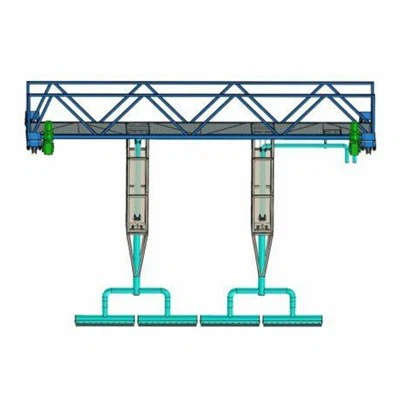
- Mechanical Bar Screen: A mechanical bar screen is used to remove large solids and debris from the wastewater before it enters the treatment process. It consists of a series of bars or screens that trap the solids, which can then be removed manually or automatically.
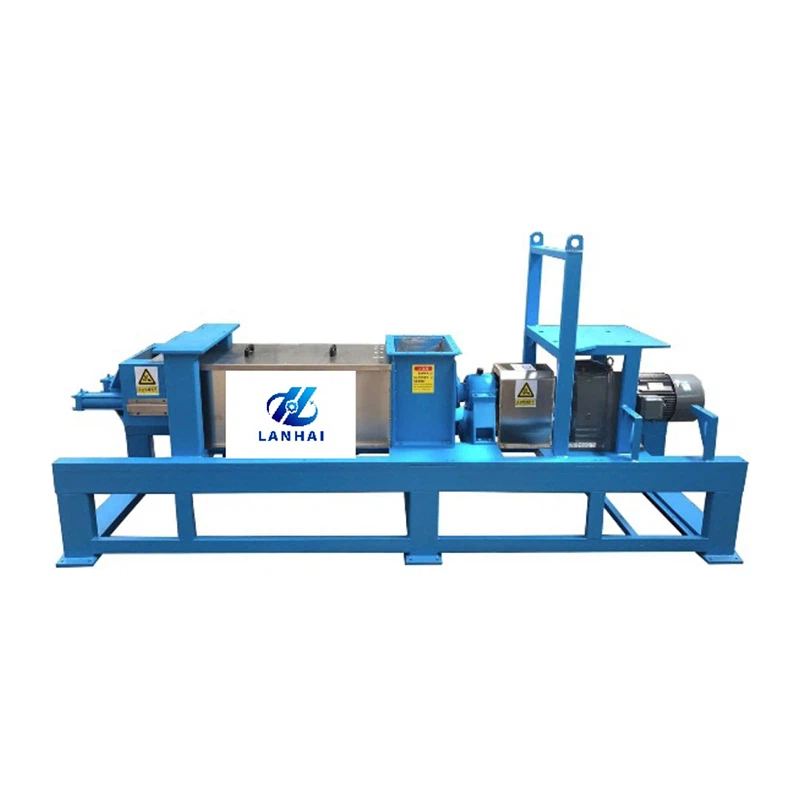
- Wastewater Treatment Screw Press: A wastewater treatment screw press is used to dewater sludge and other solid materials generated during the treatment process. It works by applying pressure to the sludge, forcing the water out through a series of screens or filters.
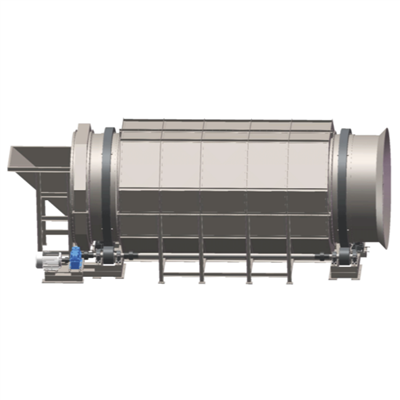
- Micro Screen Filter: A micro screen filter is used to remove fine solids and suspended particles from the wastewater. It consists of a fine mesh screen that traps the particles, which can then be removed by backwashing or other methods.
Conclusion
The flow rate of a submersible aerator is an important factor to consider when choosing the right equipment for your wastewater treatment or other application. By understanding what the flow rate is, why it matters, and how to choose the right flow rate for your specific needs, you can ensure that your system operates efficiently and effectively. If you have any questions or need further assistance in selecting the right submersible aerator or other equipment, please don't hesitate to contact us. We're here to help you find the best solutions for your water treatment needs.
References
- Metcalf & Eddy. (2003). Wastewater Engineering: Treatment and Reuse. McGraw-Hill.
- WEF. (2019). Manual of Practice FD-2: Design of Municipal Wastewater Treatment Plants. Water Environment Federation.