As a supplier of Wastewater UV Systems, I've witnessed firsthand the growing interest in these systems and their potential to revolutionize wastewater treatment. In this blog, I'll delve into the environmental impacts of using a Wastewater UV System, exploring both the positive and negative aspects, and how they compare to other treatment methods.
Positive Environmental Impacts
1. Disinfection without Chemicals
One of the most significant advantages of Wastewater UV Systems is their ability to disinfect wastewater without the use of chemicals. Traditional disinfection methods often rely on chemicals such as chlorine, which can have harmful environmental impacts. Chlorine can react with organic matter in wastewater to form disinfection by - products (DBPs), such as trihalomethanes (THMs) and haloacetic acids (HAAs), which are known to be carcinogenic and can harm aquatic life.
In contrast, UV disinfection works by exposing microorganisms in the wastewater to ultraviolet light, which damages their DNA and prevents them from reproducing. This process is chemical - free, eliminating the risk of DBP formation. By reducing the release of harmful chemicals into the environment, Wastewater UV Systems help protect water quality in receiving water bodies, such as rivers, lakes, and oceans.
2. Energy Efficiency
Modern Wastewater UV Systems are designed to be energy - efficient. Advances in UV lamp technology and system design have led to significant improvements in energy consumption. Compared to some other wastewater treatment processes, such as Sodium Hypochlorite Generator which requires energy for chemical production and dosing, UV systems can provide effective disinfection with relatively low energy input.
Energy - efficient UV systems not only reduce operational costs but also have a lower carbon footprint. By consuming less electricity, they contribute to a reduction in greenhouse gas emissions associated with power generation, helping to mitigate the effects of climate change.
3. Reduced Sludge Production
Wastewater treatment often generates sludge, which can be a significant environmental challenge. Sludge contains a mixture of organic matter, microorganisms, and other contaminants, and its disposal requires careful management to prevent environmental pollution.
Wastewater UV Systems can help reduce sludge production. Since UV disinfection targets microorganisms directly, it can inactivate a large portion of the bacteria and viruses in the wastewater without adding additional chemicals or promoting excessive microbial growth. This results in less sludge being generated during the treatment process. Less sludge means less energy and resources are required for sludge handling, transportation, and disposal, reducing the overall environmental impact of the wastewater treatment facility.
4. Protection of Aquatic Ecosystems
By effectively disinfecting wastewater before it is discharged into the environment, Wastewater UV Systems help protect aquatic ecosystems. Pathogenic microorganisms in untreated or inadequately treated wastewater can pose a threat to fish, shellfish, and other aquatic organisms. These pathogens can cause diseases in aquatic life, disrupt the balance of the ecosystem, and even lead to fish kills.
UV - disinfected wastewater contains fewer harmful microorganisms, reducing the risk of disease transmission to aquatic organisms. This helps maintain the health and biodiversity of aquatic ecosystems, which are essential for providing ecological services such as water purification, flood control, and food production.
Negative Environmental Impacts
1. UV Lamp Disposal
Wastewater UV Systems rely on UV lamps to generate the necessary ultraviolet light for disinfection. These lamps have a limited lifespan and need to be replaced periodically. UV lamps often contain small amounts of mercury, a toxic heavy metal. Improper disposal of used UV lamps can lead to mercury being released into the environment, where it can accumulate in soil, water, and living organisms.
To mitigate this impact, it is crucial to follow proper lamp disposal procedures. Many regions have regulations in place for the disposal of mercury - containing lamps, which typically involve recycling or safe disposal at specialized facilities. As a supplier, we educate our customers about the importance of proper lamp disposal and provide guidance on how to comply with relevant regulations.
2. Initial Manufacturing Impact
The manufacturing of Wastewater UV Systems requires the use of raw materials and energy. The extraction, processing, and assembly of components such as UV lamps, quartz sleeves, and control systems can have an environmental impact. For example, the production of metals and plastics used in the system may involve energy - intensive processes and the release of pollutants.
However, it's important to note that the long - term environmental benefits of using a Wastewater UV System often outweigh the initial manufacturing impact. Once installed and operational, the system can provide years of effective wastewater disinfection with relatively low environmental impact compared to alternative treatment methods.
3. Impact on Non - Target Organisms
While UV disinfection is highly effective at inactivating pathogenic microorganisms, it can also have an impact on non - target organisms in the wastewater. Some beneficial microorganisms, such as those involved in the natural breakdown of organic matter, may be affected by UV exposure. This could potentially disrupt the natural biological processes in the wastewater treatment system or in the receiving water bodies.
To minimize this impact, proper system design and operation are essential. For example, adjusting the UV dose to target only the pathogenic organisms while minimizing the impact on non - target organisms can help maintain the ecological balance in the wastewater treatment process.
Comparison with Other Treatment Methods
1. Comparison with Chlorination
As mentioned earlier, chlorination is a common method of wastewater disinfection. While chlorine is effective at killing microorganisms, it has several environmental drawbacks compared to Wastewater UV Systems. Chlorination can form DBPs, as discussed above, which are harmful to human health and the environment. In addition, residual chlorine in the discharged wastewater can be toxic to aquatic life.
Wastewater UV Systems, on the other hand, do not produce DBPs and do not leave residual disinfectants in the treated wastewater. This makes them a more environmentally friendly option for wastewater disinfection, especially in areas where water quality protection is a priority.
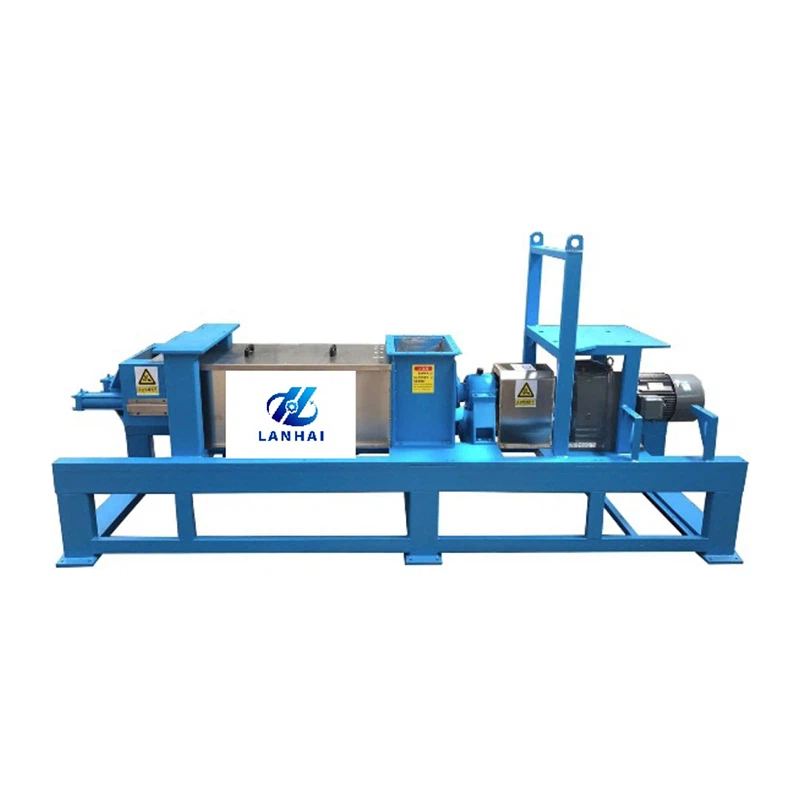
2. Comparison with Wastewater Treatment Screw Press
A Wastewater Treatment Screw Press is mainly used for sludge dewatering, which is an important part of the wastewater treatment process. While it helps reduce the volume of sludge for easier disposal, it does not address the issue of disinfection.
Wastewater UV Systems focus on disinfection, ensuring that the treated wastewater is free of harmful pathogens. In a comprehensive wastewater treatment plant, these two technologies can be used in conjunction to provide both effective sludge management and disinfection, each playing a unique role in minimizing the environmental impact of wastewater treatment.
3. Comparison with UASB Anaerobic Reactor
A UASB Anaerobic Reactor is used for the biological treatment of wastewater, particularly for the removal of organic matter. It operates under anaerobic conditions and can produce biogas as a by - product, which can be used as an energy source.
However, the effluent from a UASB reactor may still contain pathogens that need to be disinfected before discharge. Wastewater UV Systems can be used as a post - treatment step to ensure that the final effluent meets the required disinfection standards. By combining these technologies, wastewater treatment facilities can achieve both effective organic matter removal and disinfection, while also taking advantage of the energy - producing potential of the UASB reactor.

Conclusion
In conclusion, Wastewater UV Systems offer significant environmental benefits, including chemical - free disinfection, energy efficiency, reduced sludge production, and protection of aquatic ecosystems. While they do have some potential negative environmental impacts, such as UV lamp disposal and initial manufacturing impact, these can be managed through proper procedures and system design.
Compared to other wastewater treatment methods, Wastewater UV Systems provide a more environmentally friendly option for disinfection. As a supplier, we are committed to continuously improving the design and performance of our Wastewater UV Systems to minimize their environmental impact and maximize their benefits.
If you are interested in learning more about our Wastewater UV Systems or are considering upgrading your wastewater treatment facility, we invite you to contact us for a detailed discussion. Our team of experts can provide you with customized solutions based on your specific needs and help you make an informed decision about the best wastewater treatment options for your project.
References
- USEPA. (2018). Disinfection Technologies for Wastewater Treatment. United States Environmental Protection Agency.
- World Health Organization. (2017). Guidelines for Safe Reuse of Wastewater, Excreta and Greywater. World Health Organization.
- European Commission. (2020). Environmental Impact Assessment of Wastewater Treatment Technologies. European Commission.