Hey there! I'm a supplier of IC Anaerobic Reactors, and today I wanna have an open and honest chat with you about the disadvantages of an IC anaerobic reactor. It's crucial to understand both the good and the bad sides of a product, right? So, let's dive in!
High Initial Investment
One of the biggest drawbacks of an IC anaerobic reactor is the high initial investment. Building an IC anaerobic reactor isn't cheap. You gotta shell out a significant amount of money for the reactor itself, along with all the necessary auxiliary equipment. The complex design and advanced technology used in these reactors drive up the cost. Moreover, the installation process requires a high level of expertise, which means you'll likely need to hire professional engineers and technicians. This adds to the overall expense. For small - scale enterprises or those on a tight budget, this can be a major deterrent. They might look for more cost - effective alternatives rather than investing in an IC anaerobic reactor.
Complex Operation and Maintenance
Operating an IC anaerobic reactor is no walk in the park. It demands a high level of technical knowledge and experience. The reactor operates under strict conditions, such as specific temperature, pH, and hydraulic retention time. Any slight deviation from these optimal conditions can lead to a decrease in treatment efficiency or even system failure. For example, if the temperature is too low, the activity of anaerobic microorganisms will be inhibited, and the decomposition of organic matter will slow down.
Maintenance is also a headache. Regular inspections, cleaning, and replacement of parts are necessary to keep the reactor running smoothly. The internal structure of the IC anaerobic reactor is complex, with multiple compartments and pipelines. This makes it difficult to access and maintain certain parts. If there's a blockage in the pipeline or a malfunction in the gas - liquid separation device, it can be time - consuming and costly to fix.
Sensitivity to Wastewater Quality
IC anaerobic reactors are quite sensitive to the quality of the incoming wastewater. They work best with wastewater that has a high organic load and is relatively stable in composition. If the wastewater contains a large amount of toxic substances, such as heavy metals, pesticides, or antibiotics, it can have a negative impact on the anaerobic microorganisms in the reactor. These toxic substances can inhibit the growth and activity of the microorganisms, leading to a decrease in treatment efficiency.
In addition, sudden changes in the wastewater flow rate or organic load can also disrupt the operation of the reactor. For instance, if there's a sudden increase in the organic load, the reactor may not be able to handle it effectively, resulting in the accumulation of organic matter and the production of excessive biogas. This can cause problems such as foaming and instability in the reactor.
Long Start - up Time
Starting up an IC anaerobic reactor is a long and arduous process. It usually takes several weeks to several months to cultivate and acclimate the anaerobic microorganisms to the specific wastewater conditions. During this start - up period, the reactor needs to be carefully monitored and adjusted to ensure the proper growth and activity of the microorganisms.
The long start - up time not only delays the normal operation of the treatment system but also increases the cost. You need to invest a lot of time, energy, and resources in the start - up process, including the supply of nutrients, control of environmental conditions, and monitoring of microbial activity.
Limited Applicability to Low - Temperature Conditions
IC anaerobic reactors are generally more suitable for warm - climate regions. Anaerobic microorganisms are more active at higher temperatures, usually between 30 - 35°C. In low - temperature regions, the activity of these microorganisms decreases significantly, which leads to a decrease in the treatment efficiency of the reactor.
To maintain the proper temperature in cold climates, additional heating equipment is required. This not only increases the energy consumption and operating cost but also adds to the complexity of the system. For areas with long and cold winters, the use of an IC anaerobic reactor may not be a practical option without proper temperature control measures.
Related Equipment Considerations
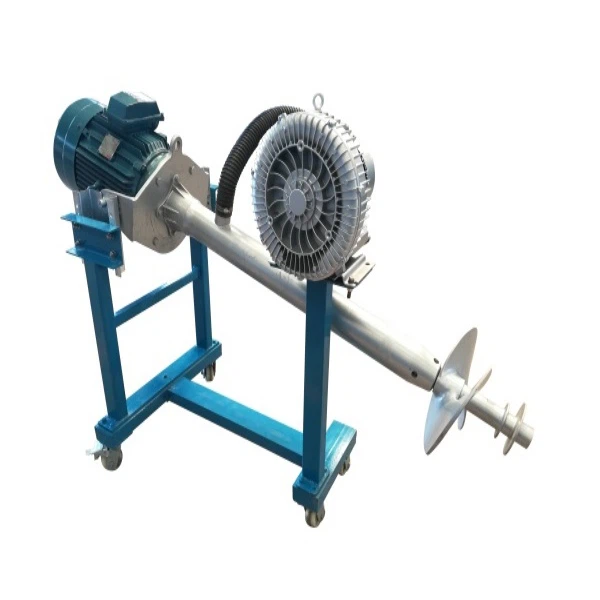
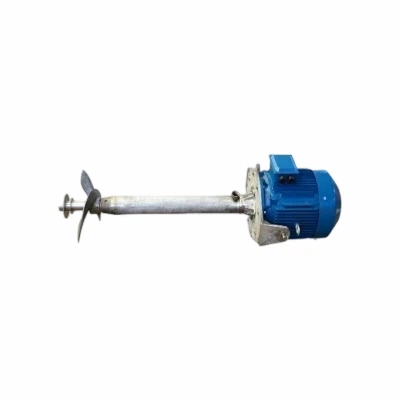
While the IC anaerobic reactor is an important part of the sewage treatment system, you may also need other equipment to complement it. For example, an Aerator Mixer can be used to improve the mixing effect in the aerobic treatment stage. A Hyperboloid Mixer is also a great option for efficient mixing in large - scale sewage treatment tanks. And a Stainless Steel Sand Filter can be used for further filtration and purification of the treated water.
Conclusion
As a supplier of IC Anaerobic Reactors, I understand that these disadvantages might seem a bit daunting. However, it's important to note that every technology has its limitations. The IC anaerobic reactor also has many advantages, such as high treatment efficiency, large volume load, and the ability to produce biogas as an energy source.
If you're considering using an IC anaerobic reactor for your sewage treatment needs, it's essential to carefully evaluate your specific situation, including your budget, wastewater characteristics, and local environmental conditions. We're here to help you make an informed decision. If you have any questions or want to discuss your project in more detail, don't hesitate to get in touch for a procurement negotiation. We'll do our best to provide you with the most suitable solutions.
References
- Environmental Engineering Handbook, edited by various environmental experts.
- Research papers on anaerobic wastewater treatment technology from academic journals.