Maintaining an IC (Internal Circulation) anaerobic reactor is crucial for ensuring its efficient and long - term operation. As a supplier of IC Anaerobic Reactors, I have witnessed firsthand the importance of proper maintenance in maximizing the performance of these reactors. In this blog, I will share some key aspects of maintaining an IC anaerobic reactor.
1. Regular Monitoring of Key Parameters
To keep an IC anaerobic reactor in good working condition, regular monitoring of key parameters is essential. Parameters such as pH, temperature, chemical oxygen demand (COD), and volatile fatty acids (VFA) should be checked frequently.
The pH value in an IC anaerobic reactor should be maintained within a specific range, usually between 6.5 and 7.8. A significant deviation from this range can inhibit the activity of anaerobic microorganisms, leading to a decrease in treatment efficiency. For example, if the pH is too low, it may indicate the accumulation of VFAs, which can be a sign of an overloading issue or a problem with the reactor's internal circulation.
Temperature is another critical factor. Anaerobic microorganisms in the reactor are sensitive to temperature changes. Most IC anaerobic reactors operate optimally at a temperature range of 30 - 38°C. Deviations from this range can slow down the metabolic rate of the microorganisms, reducing the decomposition of organic matter.
COD is an important indicator of the organic load in the wastewater. Monitoring COD allows us to assess the treatment efficiency of the reactor. A sudden increase in COD in the effluent may suggest a malfunction in the reactor, such as a blockage in the internal circulation system or a problem with the microbial community.
VFA levels should also be monitored regularly. High VFA concentrations can be a sign of an imbalance in the anaerobic digestion process. If VFAs accumulate, it may lead to acidification of the reactor, which can be detrimental to the anaerobic microorganisms.
2. Inspection and Maintenance of the Internal Circulation System
The internal circulation system is one of the key features of an IC anaerobic reactor. It helps to mix the wastewater and the anaerobic sludge evenly, improving the contact between the organic matter and the microorganisms. Regular inspection of the internal circulation pipes, pumps, and valves is necessary.
Check for any signs of blockage in the pipes. Debris, sediment, or bio - films can accumulate in the pipes over time, reducing the flow rate and affecting the internal circulation. If a blockage is detected, appropriate cleaning measures should be taken. This may involve flushing the pipes with high - pressure water or using chemical cleaning agents.
Inspect the pumps and valves for any leaks or malfunctions. Pumps are responsible for maintaining the circulation of the wastewater and sludge. A faulty pump can disrupt the internal circulation, leading to uneven distribution of the organic matter in the reactor. Valves should be checked to ensure they are opening and closing properly. Any damaged or worn - out parts should be replaced promptly.
3. Sludge Management
Sludge is an important component of an IC anaerobic reactor. It contains the anaerobic microorganisms that are responsible for the decomposition of organic matter. Proper sludge management is essential for maintaining the performance of the reactor.
Regularly check the sludge level in the reactor. If the sludge level is too high, it may cause problems such as clogging of the internal circulation system or poor settling of the sludge. On the other hand, if the sludge level is too low, the treatment efficiency may be affected due to a lack of active microorganisms.
Periodically remove excess sludge from the reactor. This can be done through sludge discharge ports. The removed sludge can be further treated or disposed of properly. At the same time, new sludge may need to be added to the reactor to maintain the appropriate microbial population.
Monitor the quality of the sludge. The sludge should have a good settling property and a high concentration of active anaerobic microorganisms. If the sludge quality deteriorates, it may be necessary to adjust the operating conditions of the reactor or add specific nutrients to enhance the growth of the microorganisms.
4. Prevention of Contamination
Contamination can have a significant impact on the performance of an IC anaerobic reactor. Foreign substances such as heavy metals, toxic chemicals, and excessive amounts of oxygen can inhibit the activity of anaerobic microorganisms.
To prevent contamination, ensure that the influent wastewater is properly pre - treated. This may involve removing large particles, oil, and grease, as well as adjusting the pH and temperature of the wastewater. Install appropriate filters and screens at the inlet of the reactor to remove any solid debris.
Avoid introducing oxygen into the reactor. Anaerobic microorganisms require an oxygen - free environment to function properly. Make sure that all connections and seals in the reactor are tight to prevent air leakage.
Be cautious when using chemicals in the vicinity of the reactor. Some chemicals may be toxic to the anaerobic microorganisms. If chemical treatment is necessary, choose chemicals that are compatible with the anaerobic environment.
5. Use of Supplementary Equipment
In addition to the IC anaerobic reactor itself, the use of supplementary equipment can also contribute to its proper maintenance. For example, a Chlorine Dioxide Generator can be used for disinfection purposes. It can help to control the growth of harmful bacteria in the wastewater and prevent the spread of diseases.
An Automated Dosing System can be installed to accurately add nutrients and chemicals to the reactor. This ensures that the anaerobic microorganisms have the necessary nutrients for their growth and metabolism.
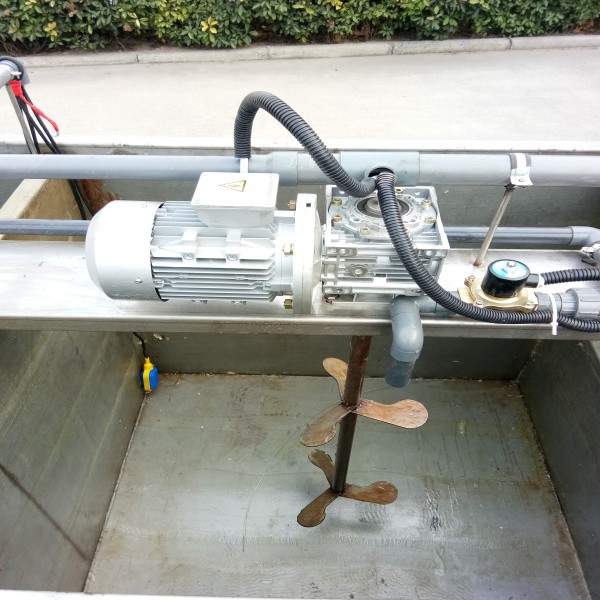
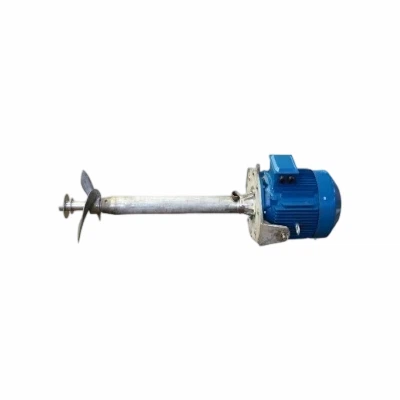
An Aerator Mixer can be used in some cases to provide limited mixing and oxygenation if needed. However, it should be used with caution in an anaerobic reactor to avoid excessive oxygen introduction.
6. Training and Staff Competence
Proper maintenance of an IC anaerobic reactor also requires well - trained staff. Provide regular training to the operators to ensure they understand the principles of anaerobic digestion, the operation of the reactor, and the importance of maintenance.
The operators should be familiar with the monitoring and control of key parameters, the inspection and maintenance procedures of the reactor and its associated equipment. They should also be able to respond promptly to any abnormal situations that may occur during the operation of the reactor.
Conclusion
Maintaining an IC anaerobic reactor is a comprehensive task that involves regular monitoring, inspection, and proper management of various aspects. By following the above - mentioned maintenance practices, we can ensure the efficient and stable operation of the reactor, maximizing its treatment efficiency and prolonging its service life.
If you are interested in our IC Anaerobic Reactors or need more information about their maintenance, please feel free to contact us for procurement and further discussions. We are committed to providing high - quality products and professional technical support.
References
- Metcalf & Eddy. Wastewater Engineering: Treatment and Resource Recovery. McGraw - Hill, 2014.
- Lettinga, G. Anaerobic Biotechnology for Industrial Wastewater Treatment. Springer, 1995.
- Angelidaki, I., et al. “Anaerobic Digestion of Solid Organic Wastes.” Chemical Engineering Journal, 2011.