When embarking on a project that requires a screw digester, the process of selecting the right one can be daunting. As a seasoned supplier of screw digesters, I understand the intricacies involved in this decision. In this blog post, I'll share valuable insights to help you make an informed choice for your project.
Understanding the Basics of a Screw Digester
A screw digester is a crucial piece of equipment in various industries, especially in the paper and pulp sector. It is designed to break down raw materials into a more manageable form through a mechanical and chemical process. The screw mechanism inside the digester rotates, pushing the material through the chamber while applying heat and pressure, facilitating the digestion process.
Assessing Your Project Requirements
The first step in choosing the right screw digester is to thoroughly understand your project's specific needs. Consider the following factors:
Material Type
Different materials require different digestion processes. For instance, if you're working with hardwoods, they generally have a higher density and require more intense digestion compared to softwoods. Other materials like recycled paper or agricultural residues also have unique characteristics that influence the choice of digester. Make sure the screw digester you select is capable of handling the specific material you'll be using.
Production Capacity
Determine the volume of material you need to process within a given time frame. This will help you decide on the appropriate size and capacity of the screw digester. If your project has high production demands, you'll need a larger and more powerful digester. On the other hand, for smaller - scale projects, a compact and less powerful model might suffice.
Quality Requirements
The end - product quality is another critical factor. If your project demands a high - quality pulp with specific properties such as strength, brightness, or fiber length, the screw digester should be able to achieve these standards. Some digesters come with advanced features that allow for better control over the digestion process, resulting in a more consistent and high - quality output.
Evaluating the Design and Features of Screw Digesters
Once you have a clear understanding of your project requirements, it's time to evaluate the design and features of different screw digesters.


Screw Configuration
The design of the screw plays a vital role in the digestion process. A well - designed screw can ensure efficient mixing, conveying, and digestion of the material. Look for digesters with screws that have the right pitch, diameter, and number of flights to suit your material and production needs. Some screws are also designed with special geometries to enhance the shearing and mixing action, which can improve the digestion efficiency.
Heating and Pressure Systems
The heating and pressure systems are essential for the digestion process. A reliable heating system ensures that the material reaches the required temperature for effective digestion. There are different types of heating methods available, such as steam heating and electrical heating. Choose a digester with a heating system that is energy - efficient and provides uniform heating throughout the chamber. Similarly, the pressure system should be able to maintain the appropriate pressure levels to achieve optimal digestion results.
Control and Monitoring Systems
Modern screw digesters are equipped with advanced control and monitoring systems. These systems allow you to adjust and monitor various parameters such as temperature, pressure, screw speed, and material flow rate. A digester with a user - friendly control panel and real - time monitoring capabilities can help you optimize the digestion process, reduce downtime, and improve the overall efficiency of your project.
Considering Compatibility with Other Equipment
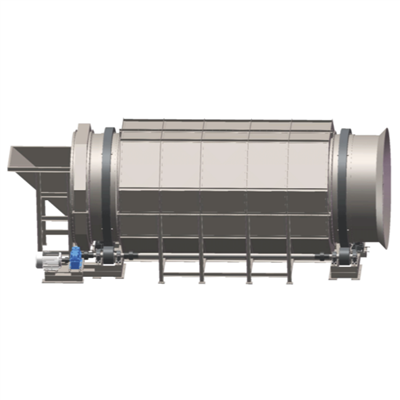
In most projects, the screw digester is just one part of a larger production line. It's important to consider its compatibility with other equipment such as Screw Shredder and Rotating Drum Screen. The digester should be able to work seamlessly with these other machines to ensure a smooth and efficient production process. For example, the output capacity of the screw digester should match the input requirements of the subsequent equipment in the line.
Reviewing the Manufacturer's Reputation and Support
The reputation of the manufacturer is a significant factor when choosing a screw digester. Look for a manufacturer with a proven track record of producing high - quality and reliable equipment. Read customer reviews and testimonials to get an idea of the manufacturer's performance and customer satisfaction. A reputable manufacturer will also provide excellent after - sales support, including installation, maintenance, and technical assistance.
Cost - Benefit Analysis
Finally, conduct a cost - benefit analysis. While the initial cost of the screw digester is an important consideration, it's not the only factor. Consider the long - term operating costs, energy consumption, maintenance requirements, and expected lifespan of the digester. A more expensive digester with advanced features and better efficiency might actually save you money in the long run by reducing operating costs and increasing productivity.
Conclusion
Choosing the right screw digester for your project is a complex but crucial decision. By carefully assessing your project requirements, evaluating the design and features of the digesters, considering compatibility with other equipment, reviewing the manufacturer's reputation, and conducting a cost - benefit analysis, you can make an informed choice. As a Screw Digester supplier, I'm here to assist you throughout this process. If you have any questions or need further guidance on selecting the right screw digester for your project, don't hesitate to contact us. We're ready to work with you to ensure that you get the best - suited equipment for your specific needs.
References
- Smith, J. (2018). Pulp and Paper Manufacturing Technology. Wiley.
- Johnson, A. (2020). Handbook of Industrial Equipment Selection. McGraw - Hill.