Hey there! As a supplier of IC Anaerobic Reactors, I've been getting a lot of questions lately about how the flow rate affects the performance of these nifty machines. So, I thought I'd sit down and share some insights with you all.
First off, let's quickly go over what an IC Anaerobic Reactor is. It's a high - efficiency anaerobic treatment device that can handle high - strength organic wastewater. It uses anaerobic microorganisms to break down organic matter in the wastewater, producing biogas (mainly methane) in the process. This not only treats the wastewater but also generates a valuable energy source.
Now, let's talk about flow rate. Flow rate, simply put, is the volume of wastewater that passes through the IC Anaerobic Reactor per unit of time. It's a crucial factor that can significantly impact the reactor's performance.
Impact on Treatment Efficiency
One of the most important aspects of an IC Anaerobic Reactor's performance is its treatment efficiency. When the flow rate is too low, the wastewater stays in the reactor for a longer time. This might seem like a good thing at first, as it allows more time for the anaerobic microorganisms to break down the organic matter. However, it can actually lead to some problems.
For instance, a very low flow rate can cause the formation of dead zones in the reactor. These are areas where the wastewater doesn't circulate well, and the microorganisms might not get enough nutrients. As a result, the overall treatment efficiency can decrease. The reactor might not be able to handle the organic load as effectively, and the quality of the treated effluent may not meet the desired standards.
On the other hand, if the flow rate is too high, the wastewater rushes through the reactor too quickly. The anaerobic microorganisms don't have enough time to fully break down the organic matter. This leads to incomplete treatment, and a large amount of organic pollutants may still be present in the effluent. So, there's a sweet spot for the flow rate that maximizes treatment efficiency. This sweet spot depends on various factors such as the characteristics of the wastewater (e.g., its organic load, pH, and temperature), and the design and size of the reactor.


Influence on Biogas Production
Biogas production is another key performance indicator of an IC Anaerobic Reactor. The flow rate has a direct impact on how much biogas is produced. When the flow rate is within the optimal range, the anaerobic microorganisms can work at their best to break down the organic matter. This results in a higher rate of biogas production.
If the flow rate is too low, as mentioned earlier, the treatment process may be inefficient. The microorganisms may not be as active, and less organic matter is broken down. Consequently, the biogas production will be lower. On the contrary, a very high flow rate can wash out the microorganisms from the reactor. Without enough microorganisms to break down the organic matter, the biogas production will also decline.
Effects on Reactor Stability
Reactor stability is essential for the long - term operation of an IC Anaerobic Reactor. A stable reactor can maintain consistent treatment efficiency and biogas production over time. The flow rate plays a vital role in maintaining this stability.
A sudden change in the flow rate can shock the anaerobic microorganisms. For example, if the flow rate increases rapidly, the microorganisms may not be able to adapt quickly enough. This can lead to a disruption in the treatment process, a decrease in biogas production, and an increase in the concentration of pollutants in the effluent.
To ensure reactor stability, it's important to control the flow rate carefully. This can be achieved through proper design and operation of the wastewater feeding system. For example, using flow control valves can help regulate the flow rate and prevent sudden changes.
Interaction with Other Equipment
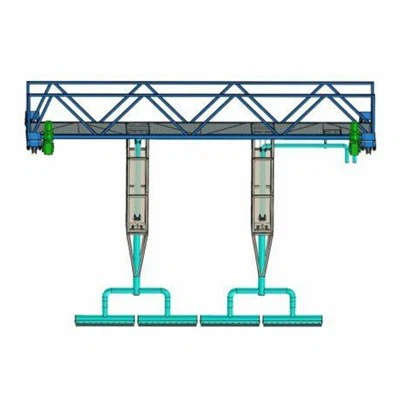
The flow rate of the IC Anaerobic Reactor also interacts with other equipment in the wastewater treatment system. Before the wastewater enters the IC Anaerobic Reactor, it usually goes through some pre - treatment processes. For example, a Mechanical Bar Screen is often used to remove large solid particles from the wastewater. The flow rate of the wastewater affects the performance of the mechanical bar screen. If the flow rate is too high, the bar screen may not be able to remove all the large solids effectively, which can cause problems in the downstream IC Anaerobic Reactor.
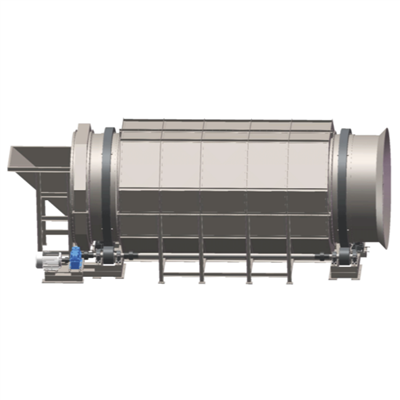
Another piece of equipment is the Spiral Grit Water Separator. It is used to separate grit from the wastewater. The flow rate needs to be appropriate for the spiral grit water separator to work efficiently. If the flow rate is not right, the grit separation may be incomplete, and the grit may enter the IC Anaerobic Reactor, which can damage the reactor and reduce its performance.
Comparison with Other Anaerobic Reactors
When comparing the IC Anaerobic Reactor with other anaerobic reactors, such as the UASB Anaerobic Reactor, the flow rate also shows some differences in its impact. The IC Anaerobic Reactor generally has a higher tolerance for high flow rates compared to the UASB Anaerobic Reactor. This is because of its unique internal circulation design, which allows for better mixing and mass transfer even at relatively high flow rates.
The UASB Anaerobic Reactor, on the other hand, may be more sensitive to high flow rates. At high flow rates, the sludge bed in the UASB reactor may be disturbed, and the anaerobic microorganisms may be washed out more easily.
How to Optimize the Flow Rate
So, how can we optimize the flow rate for an IC Anaerobic Reactor? First, we need to analyze the characteristics of the wastewater. This includes measuring the organic load, pH, temperature, and other parameters. Based on these characteristics, we can estimate the appropriate flow rate range.
Next, we can use monitoring and control systems. Install flow meters in the wastewater feeding pipeline to measure the flow rate accurately. Then, use flow control valves to adjust the flow rate as needed. Regularly monitor the treatment efficiency, biogas production, and the quality of the effluent. If any problems are detected, adjust the flow rate accordingly.
In addition, it's important to consider the long - term operation of the reactor. As the wastewater characteristics may change over time, we need to be flexible and adjust the flow rate continuously to maintain optimal performance.
Conclusion
In conclusion, the flow rate has a profound impact on the performance of an IC Anaerobic Reactor. It affects treatment efficiency, biogas production, reactor stability, and interacts with other equipment in the wastewater treatment system. By understanding how the flow rate works and optimizing it carefully, we can ensure that the IC Anaerobic Reactor operates at its best.
If you're in the market for an IC Anaerobic Reactor or have any questions about optimizing the flow rate for your specific wastewater treatment needs, don't hesitate to reach out. We're here to help you get the most out of your wastewater treatment system.
References
- Anaerobic Digestion Technology for Wastewater Treatment. A. P. van Lier, et al.
- Wastewater Engineering: Treatment and Reuse. Metcalf & Eddy.