Can a Rotary Disc Filter be used for filtering high - solid - content liquids?
As a supplier of rotary disc filters, I often encounter inquiries from customers regarding the suitability of our product for filtering high - solid - content liquids. This is a crucial question, as many industrial processes generate liquids with a significant amount of solids, and finding an effective filtration solution is essential for efficient operations.
Understanding Rotary Disc Filters
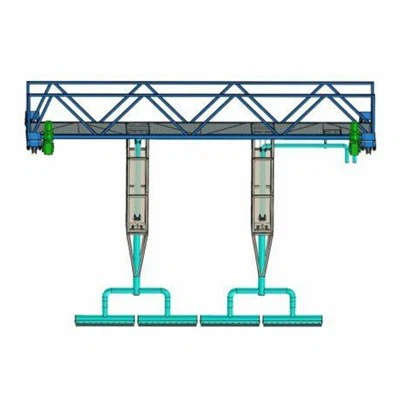
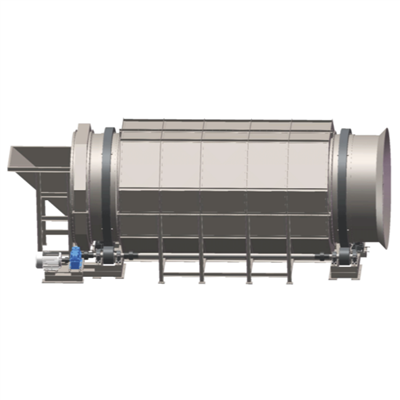
Rotary disc filters are a type of continuous filtration equipment. They consist of a series of discs mounted on a central shaft, which rotates slowly within a tank filled with the liquid to be filtered. The discs are covered with a filter medium, such as a fabric or a mesh, that traps the solids while allowing the liquid to pass through.
The basic working principle of a rotary disc filter is relatively straightforward. As the discs rotate through the liquid, the solids are deposited on the filter medium. When the discs emerge from the liquid, a back - washing mechanism is used to remove the accumulated solids from the filter medium, which then falls into a collection hopper. This continuous process allows for a relatively high throughput of liquid while maintaining the filtration efficiency.
Challenges of Filtering High - Solid - Content Liquids
Filtering high - solid - content liquids presents several challenges. First and foremost, the high concentration of solids can quickly clog the filter medium, reducing the flow rate of the liquid through the filter and increasing the pressure drop across the filter. This can lead to decreased filtration efficiency and increased energy consumption.
Secondly, the nature of the solids can also pose problems. If the solids are very fine or sticky, they may adhere tightly to the filter medium, making it difficult to remove them during the back - washing process. This can result in a gradual build - up of solids on the filter medium, further reducing its effectiveness over time.
In addition, high - solid - content liquids may have a high viscosity, which can also impede the flow of the liquid through the filter. Viscous liquids require more energy to pump through the filter, and they may also cause uneven distribution of the liquid across the filter medium, leading to inconsistent filtration performance.
Can a Rotary Disc Filter Overcome These Challenges?
Despite the challenges associated with filtering high - solid - content liquids, rotary disc filters can be a viable solution in many cases. One of the key advantages of rotary disc filters is their ability to handle a relatively large amount of solids. The continuous rotation of the discs and the back - washing mechanism allow for the removal of solids from the filter medium on a regular basis, preventing excessive build - up.
Moreover, modern rotary disc filters are designed with advanced features to enhance their performance when dealing with high - solid - content liquids. For example, some filters are equipped with a pre - coating system, which applies a thin layer of a filter aid, such as diatomaceous earth or perlite, to the filter medium before the filtration process begins. This pre - coat layer acts as an additional filtration barrier, helping to trap the solids and prevent them from clogging the main filter medium.
Another important feature is the design of the back - washing system. Advanced back - washing systems can use high - pressure water jets or air pulses to effectively remove the solids from the filter medium. Some systems are also adjustable, allowing the operator to optimize the back - washing intensity and frequency based on the characteristics of the liquid being filtered.
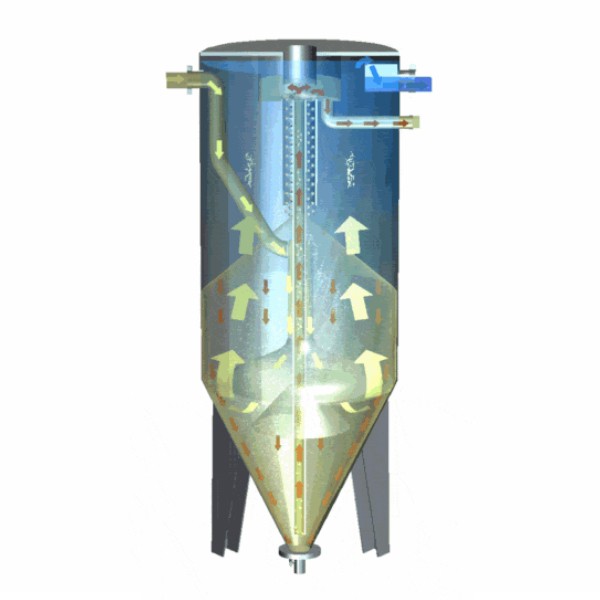
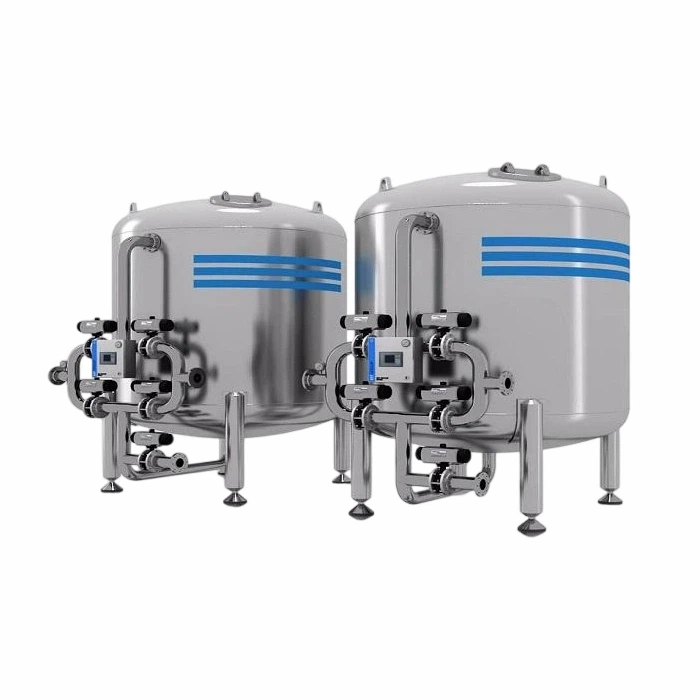
In terms of handling high - viscosity liquids, rotary disc filters can be used in combination with other equipment to improve the flow properties of the liquid. For example, a Fenton Catalytic Reactor can be used to break down complex organic compounds in the liquid, reducing its viscosity. Additionally, a Stainless Steel Sand Filter can be used as a pre - filter to remove larger solids and reduce the load on the rotary disc filter.
Case Studies
To illustrate the effectiveness of rotary disc filters in filtering high - solid - content liquids, let's look at a few case studies.
In a mining operation, a large amount of wastewater is generated, which contains a high concentration of fine minerals and suspended solids. The company initially used a traditional filter press, but they found that it was unable to handle the high - solid - content liquid efficiently. The filter press required frequent cleaning and maintenance, and the filtration rate was low. After switching to a rotary disc filter, the company noticed a significant improvement in the filtration performance. The continuous back - washing mechanism of the rotary disc filter prevented the clogging of the filter medium, and the throughput of the liquid increased by more than 50%.
In a food processing plant, a liquid waste stream with a high concentration of organic solids and a relatively high viscosity needed to be filtered. The plant installed a rotary disc filter with a pre - coating system and an adjustable back - washing mechanism. The pre - coating system helped to trap the fine solids, and the adjustable back - washing system ensured that the filter medium was effectively cleaned. As a result, the plant was able to achieve a high level of filtration efficiency, reducing the amount of solids in the treated liquid to an acceptable level.
Considerations for Using a Rotary Disc Filter for High - Solid - Content Liquids
When considering using a rotary disc filter for filtering high - solid - content liquids, several factors need to be taken into account.
First, the characteristics of the liquid, such as the concentration and nature of the solids, the viscosity, and the chemical composition, need to be carefully analyzed. This information will help to determine the appropriate filter medium, the pre - coating material (if required), and the operating parameters of the filter, such as the rotation speed and the back - washing frequency.
Second, the size and capacity of the rotary disc filter need to be selected based on the flow rate and the solid load of the liquid. A filter that is too small may not be able to handle the volume of the liquid, while a filter that is too large may be inefficient and costly.
Third, the integration of the rotary disc filter with other equipment in the treatment process is also important. For example, an Automated Dosing System can be used to add chemicals to the liquid to improve its filtration properties, such as flocculants to help the solids aggregate.
Conclusion
In conclusion, while filtering high - solid - content liquids is a challenging task, rotary disc filters can be a suitable solution in many applications. With their continuous operation, advanced back - washing mechanisms, and the ability to be customized with additional features, rotary disc filters can effectively handle high - solid - content liquids and achieve a high level of filtration efficiency.
If you are facing the challenge of filtering high - solid - content liquids and are interested in exploring the potential of rotary disc filters, I encourage you to contact us for a detailed discussion. Our team of experts can provide you with in - depth technical advice and help you select the most appropriate filtration solution for your specific needs.
References
- "Filtration Handbook", 4th Edition, by Christopher D. Dickenson.
- "Industrial Filtration for Process Engineers", by Peter A. Schweitzer.
- Technical papers on rotary disc filter technology from industry - leading manufacturers.