Hey there! As a supplier of chip washers, I often get asked this question: Can a chip washer remove all types of chips? Well, let's dive right in and explore this topic.


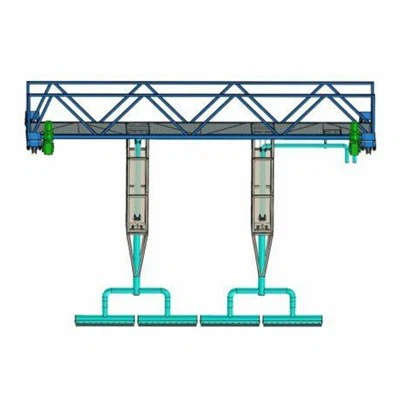
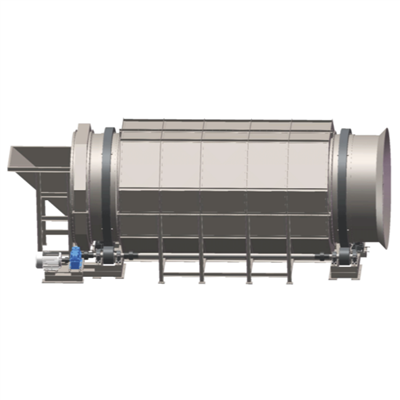
First off, what exactly is a chip washer? In simple terms, a chip washer is a machine designed to clean chips, typically those from wood or other materials in the pulp and paper industry. It works by using water or other cleaning agents to remove dirt, debris, and unwanted substances from the chips.
Now, let's talk about the different types of chips. There are various kinds out there, including hardwood chips, softwood chips, and recycled chips. Each type has its own unique characteristics, and these can affect how well a chip washer can clean them.
Hardwood chips, for example, tend to be denser and have a different surface texture compared to softwood chips. They may also contain more extractives, such as tannins and resins. These extractives can be sticky and difficult to remove, which means that a chip washer may need to work a bit harder to get them clean. On the other hand, softwood chips are generally less dense and have a smoother surface. This can make them easier to clean, but they may still have some dirt and debris that needs to be removed.
Recycled chips are another story. These chips come from previously used materials, such as old paper or cardboard. They can be contaminated with a wide range of substances, including ink, glue, and other chemicals. Cleaning recycled chips can be a real challenge, as the chip washer needs to be able to break down and remove these contaminants without damaging the chips themselves.
So, can a chip washer remove all types of chips? The short answer is no. While a good quality chip washer can do an excellent job of cleaning most types of chips, there are some limitations. For example, if the chips are heavily contaminated with certain substances, such as heavy metals or oil, a chip washer may not be able to remove them completely. In these cases, additional treatment processes may be required.
However, that doesn't mean that a chip washer isn't a valuable tool. In fact, it can significantly improve the quality of the chips by removing a large portion of the dirt, debris, and unwanted substances. This can lead to better pulp quality, which in turn can result in higher quality paper products.
Let's take a look at some of the factors that can affect the performance of a chip washer. One of the most important factors is the design of the chip washer itself. A well-designed chip washer will have features that allow it to effectively clean the chips, such as a proper water flow system, a good agitation mechanism, and a reliable filtration system.
Another factor is the type and concentration of the cleaning agent used. Different cleaning agents are more effective at removing different types of contaminants. For example, some cleaning agents are better at removing oil and grease, while others are more effective at removing ink and glue. Choosing the right cleaning agent for the specific type of chips being cleaned is crucial for achieving optimal results.
The size and shape of the chips can also play a role. Larger chips may be more difficult to clean, as they have a larger surface area and may trap more dirt and debris. Similarly, chips with irregular shapes may be more challenging to clean, as the cleaning agent may not be able to reach all areas of the chip.
Now, let's talk about some of the additional equipment that can be used in conjunction with a chip washer to improve the cleaning process. One such piece of equipment is the Dual Mesh Rotary Drum Pulp Press. This machine can help to further dewater the chips after they have been washed, which can improve the overall efficiency of the process.
Another useful piece of equipment is the Shaftless Screw Conveyor. This conveyor can be used to transport the chips to and from the chip washer, as well as to other parts of the processing system. It can help to ensure a smooth and continuous flow of chips, which can improve the productivity of the entire operation.
Finally, the White Water Treatment System is an important component of the chip washing process. This system can help to treat the water that is used in the chip washer, removing any contaminants and recycling the water for reuse. This can not only save water but also reduce the environmental impact of the process.
In conclusion, while a chip washer cannot remove all types of chips completely, it is still a valuable tool for improving the quality of chips in the pulp and paper industry. By choosing the right chip washer, using the appropriate cleaning agents, and incorporating additional equipment as needed, you can achieve excellent results.
If you're in the market for a chip washer or any of the related equipment I've mentioned, I'd love to have a chat with you. We can discuss your specific needs and see how we can help you improve your chip cleaning process. Don't hesitate to reach out and start the conversation about procurement. Let's work together to find the best solutions for your business.
References
- Pulp and Paper Industry Handbook
- Technical Papers on Chip Washing and Related Processes